Quick verdict
For everyday cooking with great results, a bone-in rib chop is the best starting point. If you're ready to invest in the real pork chop experience, Berkshire heritage breed is the standard worth measuring everything against. The tomahawk is for occasions that call for theater. Boneless loin chops serve weeknight speed. And the Duroc blade chop is the smart budget-friendly way to eat heritage breed pork on a regular b
Bone-In Rib Pork Chop
The bone-in rib pork chop is the workhorse of the pork chop world and the best starting point for anyone who wants a juicy, flavorful result without spending premium dollars. Cut from the upper loin near the shoulder, rib chops have a single primary muscle, a clean rib bone running through one side, and a fat cap that renders during cooking and bastes the meat naturally. At 1.5 inches thick, they're forgiving enough for beginners and satisfying enough for experienced cooks.
From bone in rib chops for everyday cooking to Berkshire heritage for special occasions, this guide ranks pork chop cuts by flavor, tenderness, and value.
The pork chop aisle can be misleading – thin, pale, boneless cuts from commodity pigs bear almost no resemblance to a thick, well-marbled heritage breed chop from a proper butcher. The cut you choose dictates your cooking method, your final texture, and ultimately your satisfaction with the meal. These five pork chop options represent the best the category has to offer in 2026, from weeknight workhorses to showstopping special-occasion cuts.
| Product | Best For | Key Feature |
|---|---|---|
|
ⓘ We may earn a commission from qualifying purchases made through links on this page, at no extra cost to you.
|
Juicy thick-cut with natural fat cap | Single muscle, bastes itself, very forgiving |
| Berkshire Heritage Breed Pork Chop | Premium marbling and superior flavor | Higher intramuscular fat, richer taste |
| Thick-Cut Tomahawk Pork Chop | Statement grill cut with long rib bone | Visual impact plus excellent flavor |
| Center-Cut Boneless Pork Loin Chop | Quick weeknight pan-searing | Lean, consistent, fast-cooking |
| Duroc Bone-In Shoulder Blade Chop | Value heritage breed option | Rich flavor at accessible price |
Our methodology
We compare every pick against the field on real specifications, certifications, and aggregated owner reviews. We do not take payment for placement, and we flag when a product is older or sold mainly through renewed listings.
Side by side
| Pick | Best for | Score | |
|---|---|---|---|
| Bone-In Rib Pork Chop | Juicy thick-cut with natural fat cap | Check price | |
| Berkshire Heritage Breed Pork Chop | Premium marbling and superior flavor | Check price | |
| Thick-Cut Tomahawk Pork Chop | Statement grill cut with long rib bone | Check price | |
| Center-Cut Boneless Pork Loin Chop | Quick weeknight pan-searing | Check price | |
| Duroc Bone-In Pork Shoulder Blade Chop | Check price |
The full reviews
Bone-In Rib Pork Chop
The bone-in rib pork chop is the workhorse of the pork chop world and the best starting point for anyone who wants a juicy, flavorful result without spending premium dollars. Cut from the upper loin near the shoulder, rib chops have a single primary muscle, a clean rib bone running through one side, and a fat cap that renders during cooking and bastes the meat naturally. At 1.5 inches thick, they're forgiving enough for beginners and satisfying enough for experienced cooks.
Berkshire Heritage Breed Pork Chop
Berkshire pork - known in Japan as Kurobuta - is the gold standard of heritage breed pork. The breed has been raised for hundreds of years for its superior marbling, deeper red-pink color, and distinctly rich pork flavor that commodity breeds simply cannot replicate. A Berkshire rib chop cooked to 140°F and rested is an entirely different eating experience from a standard supermarket chop: juicier, more flavorful, with a satisfying fat-to-lean ratio throughout.

Thick-Cut Tomahawk Pork Chop
The tomahawk pork chop is the visual star of the category. Cut from the rib section with an extra-long frenched rib bone left intact - sometimes 8-10 inches - the tomahawk is as much a presentation piece as it is a meal. The long bone doesn't change the flavor, but the theatrical presentation makes it ideal for dinner parties or occasions where you want the main course to make an impression before anyone takes a bite. The thick cut and fat cap ensure excellent eating quality to back up the looks.
Center-Cut Boneless Pork Loin Chop
When speed and convenience matter more than maximum flavor, the center-cut boneless pork loin chop is the right tool. It sears in 3-4 minutes per side, cooks evenly without bone interference, and accepts marinades and brines very readily because of its lean, open-grain structure. The key is not overcooking - at 140°F internal, a well-brined boneless loin chop is tender and moist. It's also the most widely available pork chop cut in any supermarket.
Duroc Bone-In Pork Shoulder Blade Chop
The Duroc shoulder blade chop is the underrated value play in the heritage breed pork world. Duroc pigs share Berkshire's propensity for intramuscular fat and rich flavor, but shoulder blade chops - cut from the front shoulder area - are typically priced lower than rib or loin chops because the shoulder has more connective tissue. Cooked low and slow or braised, the blade chop becomes extraordinarily tender and rich. For maximum value in heritage breed pork, this is the cut to know.
What matters most
What to consider
Thickness is the most important variable in any pork chop purchase - avoid anything under 1 inch; 1.5 to 2 inches is ideal for most cooking methods. Bone-in chops are more flavorful and more forgiving than boneless. Heritage breeds (Berkshire, Duroc, Mangalitsa) have significantly better marbling and flavor than commodity pork. Look for a pink-to-red color rather than pale pink, which indicates better breed and aging. If buying from a butcher, ask them to cut fresh rather than pre-packaged.
Our take
For everyday cooking with great results, a bone-in rib chop is the best starting point. If you're ready to invest in the real pork chop experience, Berkshire heritage breed is the standard worth measuring everything against. The tomahawk is for occasions that call for theater. Boneless loin chops serve weeknight speed. And the Duroc blade chop is the smart budget-friendly way to eat heritage breed pork on a regular b
Frequently asked
The bone-in rib pork chop is consistently the juiciest option because the fat cap along the bone bastes the meat as it cooks. Choosing a cut at least 1.5 inches thick and avoiding overcooking - pulling at 140°F internal and resting to 145°F - is the single biggest factor in keeping any pork chop moist and tender.
Rib chops come from the upper rib section and have a single bone, a generous fat cap, and one uniform muscle that cooks evenly. Loin chops come from further back and contain two muscles - the tenderloin and the loin - which cook at different rates. For this reason, rib chops are more forgiving and typically juicier, while loin chops require more precision to avoid the tenderloin side overcooking.
For most cooks, yes. Heritage breeds like Berkshire and Duroc have significantly higher intramuscular fat than commodity pork, which means they stay juicy at higher temperatures and have a noticeably richer, more complex pork flavor. Standard commodity pork has been bred so lean that overcooking by even a few degrees produces a dry, flavorless chop. Heritage breed pork is more forgiving and more flavorful.
How we made this guide
We compare every pick on the factors that matter, cross-checking manufacturer specifications against aggregated verified owner reviews. We rank independently and never take payment for placement. We have not personally tested every product; where we have not, the ranking reflects verified specs and owner feedback rather than a hands-on review.
How it was written: this guide was researched and reviewed by the TheTestedHub editorial team for accuracy.
Affiliate disclosure: TheTestedHub is reader-supported. When you buy through links on our site, we may earn a commission at no extra cost to you.
You might also like
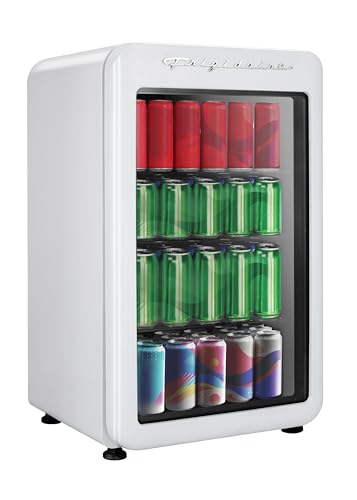
Beverage Fridge Buying Guide: Compressor vs Thermoelectric

6 Drink Dispensers That Actually Seal Right (2026)
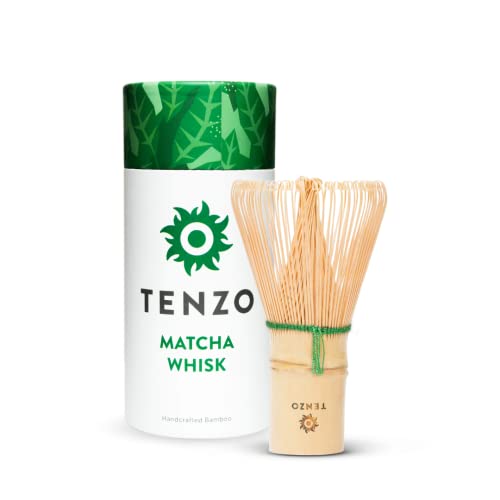
Skip Cheap Whiskers: Get a Real Chasen

Wondering Which Tea Infuser Is Best? Try This Basket
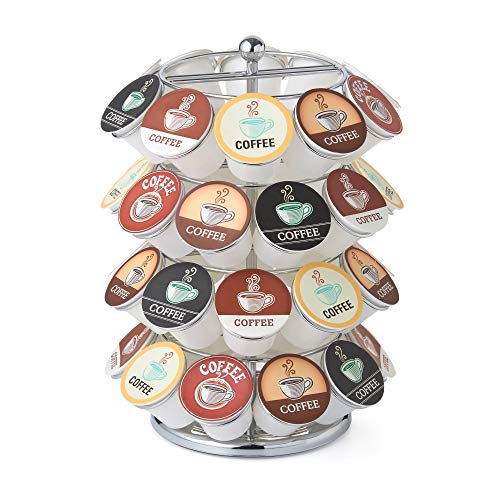
Don’t Buy a Coffee Pod Organizer Until You Read This
Tamp Like a Pro: Expert Chosen Tamper Mats

Coffee Scales for Every Brew, Tested for Daily Use