Quick verdict
For a strong ribeye experience, Snake River Farms Wagyu and the ribeye cap represent the two peaks - one for marbling and richness, one for tenderness and rarity. Allen Brothers dry-aged is the best conventional ribeye for flavor purists. Porter Road's tomahawk wins on presentation and provenance. And Certified Angus Beef Cowboy Ribeye is the smartest choice when you want premium quality without the premium price tag
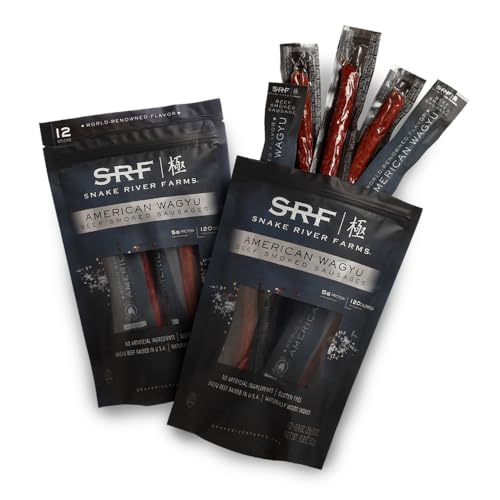
Snake River Farms American Wagyu Bone-In Ribeye
Snake River Farms produces what is arguably the best ribeye available to American consumers without importing Japanese Wagyu. Their bone-in ribeye is rated at BMS 6-9 - levels of marbling that put conventional USDA Prime firmly in second place - and the result is a steak that renders dramatically during cooking, self-basting in its own fat until the crust is lacquered and the interior is impossibly rich. At 2 inches thick, it eats like a special event.
Check price on Amazon →From Snake River Farms Wagyu to a dry aged classic, these are the ribeyes worth seeking out for marbling, tenderness, and flavor.
Ribeye is the steak that rewards obsessive sourcing. The same cut from a commodity steer and a grain-finished Wagyu animal are barely comparable eating experiences. The ribeye’s combination of the eye, the spinalis cap, and the fat-heavy intercostal muscles produces the most flavor-complex steak on the animal – but only when marbling, sourcing, and cut selection are right. These five ribeye options represent the best across the full quality spectrum in 2026.
| Product | Best For | Key Feature |
|---|---|---|
|
ⓘ We may earn a commission from qualifying purchases made through links on this page, at no extra cost to you.
|
Maximum ribeye marbling | BMS 6-9 American Wagyu |
| Allen Brothers Boneless Ribeye | Dry-aged boneless ribeye quality | 21-day dry aging, USDA Prime |
| Porter Road Tomahawk Ribeye | Visual statement, long-bone presentation | Pasture-raised, generous marbling |
| Ribeye Cap Steak (Spinalis Dorsi) | Most prized section of the ribeye | Highest marbling, most tender |
| Certified Angus Beef Cowboy Ribeye | Bone-in presentation at fair price | CAB grading, generous fat cap |
How we picked
We compare every pick against the field on real specifications, certifications, and aggregated owner reviews. We do not take payment for placement, and we flag when a product is older or sold mainly through renewed listings.
Top picks compared
| Pick | Best for | Score | |
|---|---|---|---|
| Snake River Farms American Wagyu Bone-In Ribeye | Check price | ||
| Allen Brothers Boneless Ribeye Steak | Check price | ||
| Tomahawk Ribeye from Porter Road | Check price | ||
| Ribeye Cap Steak (Spinalis Dorsi) | Most prized section of the ribeye | Check price | |
| Certified Angus Beef Cowboy Ribeye | Bone-in presentation at fair price | Check price |
Our picks up close
Snake River Farms American Wagyu Bone-In Ribeye
Snake River Farms produces what is arguably the best ribeye available to American consumers without importing Japanese Wagyu. Their bone-in ribeye is rated at BMS 6-9 - levels of marbling that put conventional USDA Prime firmly in second place - and the result is a steak that renders dramatically during cooking, self-basting in its own fat until the crust is lacquered and the interior is impossibly rich. At 2 inches thick, it eats like a special event.

Allen Brothers Boneless Ribeye Steak
Allen Brothers' boneless ribeye is the best argument for dry aging as a transformative process. Their 21-day dry-aged USDA Prime boneless ribeye develops a concentrated beefy flavor and a slight nuttiness during the aging process that no wet-aged steak can replicate. The boneless format means clean, even cooking and easy slicing against the grain. This is the cut to choose when you want maximum flavor from a conventional steak without the Wagyu fat profile.
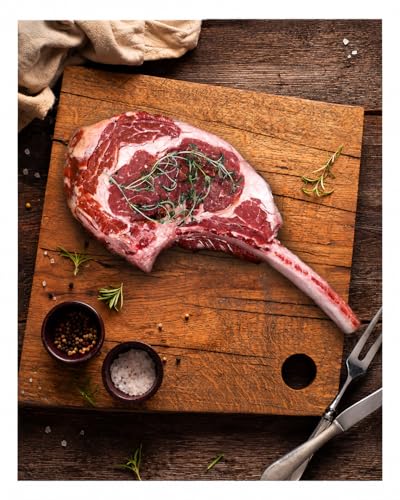
Tomahawk Ribeye from Porter Road
Porter Road has built a strong reputation for sourcing well-raised beef from small regional farms, and their tomahawk ribeye is the most visually impressive steak in this roundup. The extra-long frenched rib bone - typically 18-24 inches - turns a dinner into a production, while the underlying beef quality is serious: pasture-raised, generously marbled, and cut at 2+ inches for proper searing. Porter Road's tomahawk is the best choice when presentation and provenance both matter.

Ribeye Cap Steak (Spinalis Dorsi)
The ribeye cap - the spinalis dorsi muscle - is the single most coveted section of beef on the entire animal. It wraps around the top of the ribeye roll and is typically rolled and tied when sold separately, producing a steak that is simultaneously more tender than filet mignon and more richly marbled than any other cut. When you can find it - and it requires a specialty butcher or a mail-order source - it represents the peak of what beef can taste like.

Certified Angus Beef Cowboy Ribeye
The Certified Angus Beef (CAB) Cowboy Ribeye is the most accessible premium option in this category - available at better butcher counters and specialty grocery stores nationwide, reliably graded, and priced well below the Wagyu or dry-aged tiers. The CAB program requires beef to meet 10 science-based specifications above the USDA Choice threshold, meaning every Cowboy Ribeye bearing the CAB label has above-average marbling and consistency. The short-bone Cowboy presentation (bone trimmed to 2-3 inches) gives you the bone-in flavor benefit in a more manageable format.
Before you buy
What to consider
Marbling is the most important variable in ribeye quality - look for fine, evenly distributed fat threads throughout the muscle, not just surface fat. USDA Prime or American Wagyu (BMS 6+) represent the top of the quality scale. Thickness matters: a minimum of 1.5 inches is necessary to develop a proper crust before the interior overcooks. Bone-in ribeyes retain slightly more moisture during cooking; the choice between Cowboy, tomahawk, or boneless is largely about presentation. Look for dry aging if you want maximum flavor complexity.
The wrap-up
For a strong ribeye experience, Snake River Farms Wagyu and the ribeye cap represent the two peaks - one for marbling and richness, one for tenderness and rarity. Allen Brothers dry-aged is the best conventional ribeye for flavor purists. Porter Road's tomahawk wins on presentation and provenance. And Certified Angus Beef Cowboy Ribeye is the smartest choice when you want premium quality without the premium price tag
Quick answers
A bone-in ribeye (Cowboy or tomahawk) retains the rib bone during cooking, which many believe imparts additional flavor via marrow heat transfer. The bone also insulates the meat nearest to it, creating a slightly different texture on that side. Boneless ribeyes cook more evenly and are easier to slice. For eating quality, the difference is subtle - sourcing and marbling matter far more.
The ribeye cap, also called the spinalis dorsi, is the crescent-shaped outer muscle that wraps around the top of the ribeye roll. It is the most tender and heavily marbled muscle on the entire steer, with a texture and flavor that surpasses even the center eye of the ribeye. It's rarely sold separately at retail, which makes specialty cuts like a standalone ribeye cap steak a significant find.
USDA Prime is the top commercial grade and represents the top 2-3% of beef by marbling. For ribeye specifically, Prime-grade marbling makes a material difference in flavor and juiciness. Certified Angus Beef (CAB) sits just below Prime and is an excellent value option. American Wagyu from Snake River Farms operates outside the USDA grading scale, using the Japanese BMS system, with BMS 6-9 representing extraordinary marbling.
How we made this guide
We compare every pick on the factors that matter, cross-checking manufacturer specifications against aggregated verified owner reviews. We rank independently and never take payment for placement. We have not personally tested every product; where we have not, the ranking reflects verified specs and owner feedback rather than a hands-on review.
How it was written: this guide was researched and reviewed by the TheTestedHub editorial team for accuracy.
Affiliate disclosure: TheTestedHub is reader-supported. When you buy through links on our site, we may earn a commission at no extra cost to you.
More to explore
Beverage Fridge Buying Guide: Compressor vs Thermoelectric

6 Drink Dispensers That Actually Seal Right (2026)
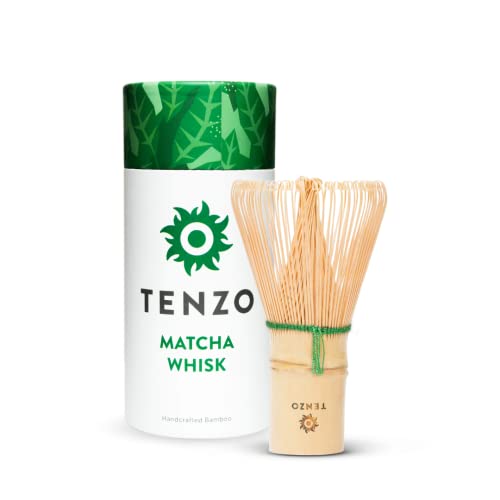
Skip Cheap Whiskers: Get a Real Chasen

Wondering Which Tea Infuser Is Best? Try This Basket
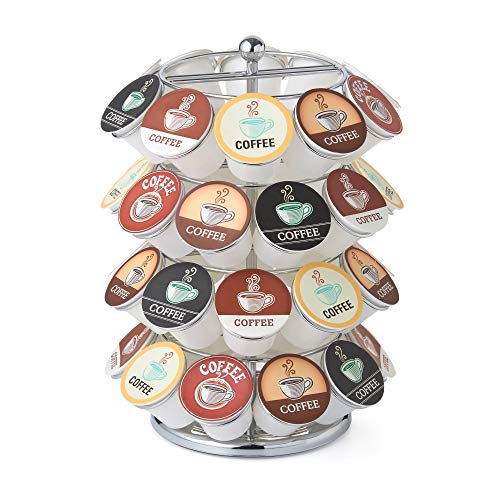
Don’t Buy a Coffee Pod Organizer Until You Read This
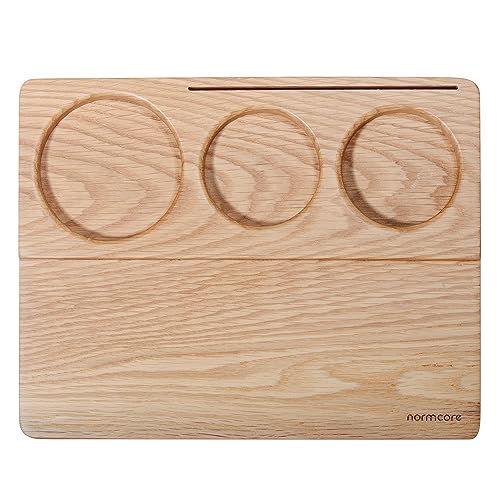
Tamp Like a Pro: Expert Chosen Tamper Mats

Coffee Scales for Every Brew, Tested for Daily Use