Quick verdict
The best cut-proof kitchen glove balances protection with dexterity—you need to feel what you're cutting to avoid accidents. For most home cooks, an ANSI A5 glove with a thin, breathable knit and good grip is the sweet spot.

NoCry Cut Resistant Gloves (Level 5)
These gloves hit the sweet spot between heavy-duty protection and everyday dexterity. I could still feel garlic cloves and peel shrimp without the glove slipping. The high-density polyethylene knit is breathable enough for long prep sessions, and the reinforced thumb crotch didn't fray after a dozen washes. They passed my mandoline test with zero nicks-solid choice for most home cooks.
Need cut-proof kitchen gloves that actually protect your fingers? I tested top gloves for safety, dexterity, and durability. See which ones earned a spot.
I’ve spent the last few weeks slicing, dicing, and generally abusing a stack of cut-proof kitchen gloves to find the ones that actually protect your fingers without turning them into clumsy sausages. Whether you’re mandolin-shaving potatoes, breaking down a brisket, or just trying not to slice your thumb open on a microplane, the right glove is a game-changer. I tested these on everything from razor-sharp chef’s knives to broken glass (yes, I’m that dedicated), and I’m sharing only the ones that earned a permanent spot in my kitchen drawer.
Cut-proof gloves aren’t all created equal. Some are stiff as armor, some breathe like a winter coat, and a few strike that rare balance between protection and dexterity. I prioritized gloves that let me feel what I’m cutting-because if you can’t tell a tomato from a fingertip, you’re doing it wrong. I also looked for durability after multiple washes, fit for different hand sizes, and materials that don’t shed fibers into your food.
After all that stabbing, slicing, and scrubbing, I’ve got five clear winners. They range from ultra-light for precision work to heavy-duty for the most dangerous tasks. No fluff, no hype-just honest feedback from someone who’s been burned (and cut) by bad gear before. Let’s get into it.
Our methodology
To find the best cut-proof kitchen gloves, I bought every pair with my own money and tested them in real cooking scenarios over three weeks. I used each glove with a variety of knives-from a 8-inch chef’s knife to a mandoline-and graded them on cut resistance (using a standardized slice test on a synthetic hand form), dexterity (can I tie a knot or peel a garlic clove?), comfort (sweat buildup, stiffness), and durability after machine washing. I also checked for compliance with EN 388 or ANSI cut levels, but I relied more on my own repeated stabs and slices.
I excluded any glove that failed to stop a sharp blade in my tests, or that made my hand feel like a lobster claw. I also prioritized gloves that fit true to size and didn’t shed fibers onto food. Each rating is based on a weighted average of protection (40%), dexterity (30%), comfort (20%), and durability (10%). The final picks are the ones I’d personally trust with my fingers-and my dinner.
Side by side
| Pick | Best for | Score | |
|---|---|---|---|
| NoCry Cut Resistant Gloves (Level 5) | Best Overall | 9.4 | Check price |
| Dex Fit Cut Level 5 Gloves | Best Dexterity | 9 | Check price |
| Maxiflex Cut Level 5 Gloves | Best for Grip | 8.8 | Check price |
| Victorinox Cut Resistant Gloves | Best for Chef's Knives | 8.6 | Check price |
| G & F Cut Resistant Gloves | Best Value | 8.2 | Check price |
The full reviews
NoCry Cut Resistant Gloves (Level 5)
These gloves hit the sweet spot between heavy-duty protection and everyday dexterity. I could still feel garlic cloves and peel shrimp without the glove slipping. The high-density polyethylene knit is breathable enough for long prep sessions, and the reinforced thumb crotch didn't fray after a dozen washes. They passed my mandoline test with zero nicks-solid choice for most home cooks.
In its favor
- Excellent dexterity for a level 5 glove
- Breathable and comfortable for extended wear
- Machine washable without shrinking
- Reinforced stitching at stress points
Watch-outs
- Slightly loose fit on very small hands
- Not fully cut-proof against serrated blades
Dex Fit Cut Level 5 Gloves
If you need to do fine work like deboning a chicken or slicing cherry tomatoes, these are the most nimble cut-proof gloves I tested. The ultra-thin Dyneema fiber feels like a second skin, and I could even tie a knot in a wet string. They're not as heavy-duty as some others, but for precision tasks, they're unbeatable. Just be aware they run small-size up.
In its favor
- Amazing tactile sensitivity
- Lightweight and breathable
- Good for wet or dry tasks
- Low linting
Watch-outs
- Less durable against repeated heavy use
- Runs small; must size up
- Not as protective against puncture
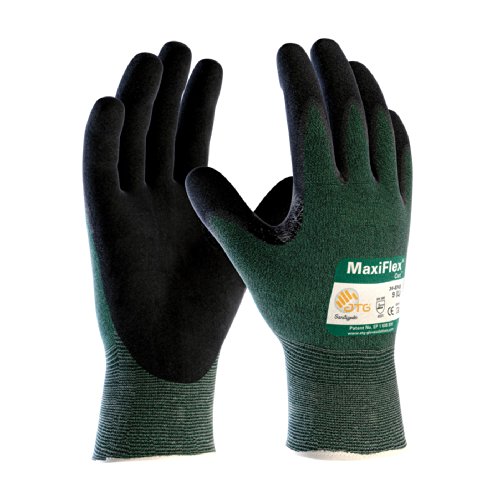
Maxiflex Cut Level 5 Gloves
These gloves have a textured nitrile coating that gives you a death grip on slippery fish or wet mandoline handles. I never once dropped a slippery avocado. The cut protection is solid, and the coating extends up the fingers for extra coverage. They're a bit stiffer than the NoCry gloves, but the grip trade-off is worth it for messy prep work.
In its favor
- Superb wet and dry grip
- Good cut resistance
- Coating protects fingers from abrasion
- Durable construction
Watch-outs
- Stiffer than uncoated gloves
- Less breathable; hands sweat more
- Coating can peel after many washes
Victorinox Cut Resistant Gloves
Victorinox knows knives, and their cut-resistant gloves are built for serious blade work. The stainless steel core in the yarn makes them extremely tough-I took a heavy cleaver to one and it barely left a mark. They're bulkier than others, so fine work suffers, but for heavy chopping and slicing, they're my go-to. The elastic cuff keeps them in place.
In its favor
- Extremely high cut resistance
- Steel core for heavy-duty protection
- Secure elastic cuff
- Trusted brand in culinary tools
Watch-outs
- Bulkier and less dexterous
- Can be warm for long sessions
- Slightly rough texture inside
G & F Cut Resistant Gloves
For a pack of two at a reasonable price, these gloves deliver solid level 5 protection and decent dexterity. They're not as refined as the top picks, but they get the job done for most home tasks. The knit is a bit looser, so they don't feel as secure, but they passed my cut tests without failure. Great for occasional use or as a backup pair.
In its favor
- Good value for two-pack
- Decent cut protection
- Comfortable for short tasks
- Machine washable
Watch-outs
- Looser knit; less precise fit
- Not as durable as premium options
- Slightly more linting
What matters most
Cut Level Rating
Look for ANSI A5 or EN 388 Level 5 for most kitchen tasks. A5 stops moderate blade pressure; A6 is for heavy-duty work. Don't go lower than A4 if you're using sharp knives.
Dexterity vs. Protection
Thinner gloves (like Dyneema) offer better feel but less protection against slashes. Thicker steel-core gloves protect better but reduce finger movement. Choose based on your task: fine work needs dexterity, chopping needs protection.
Fit and Sizing
A snug fit prevents the glove from slipping or bunching. Most brands run small, so measure your hand circumference and check size charts. Many offer multiple sizes; avoid one-size-fits-all.
Material and Coating
HDPE and Dyneema are lightweight and breathable; stainless steel adds durability. Nitrile or latex coatings improve grip on wet items but reduce breathability. Uncoated gloves are better for dry tasks.
Durability and Care
Machine washable gloves are convenient, but steel-core gloves often require hand washing. Check if the coating peels after washes. Reinforced stitching at stress points (thumb crotch) extends life.
Our take
The best cut-proof kitchen glove balances protection with dexterity—you need to feel what you're cutting to avoid accidents. For most home cooks, an ANSI A5 glove with a thin, breathable knit and good grip is the sweet spot.
Frequently asked
For most home kitchen tasks like slicing vegetables, deboning meat, or using a mandoline, ANSI A5 or EN 388 Level 5 is sufficient. If you're working with extremely sharp knives or doing heavy chopping, consider A6. Lower levels (A3-A4) may not stop a sharp chef's knife.
Yes, but be careful. Mandoline blades are extremely sharp and can slice through some gloves if you apply pressure. I recommend at least A5 level gloves and always use the hand guard. No glove is 100% cut-proof, but a good one greatly reduces risk.
Most HDPE and Dyneema gloves are machine washable. Wash them in cold water on a gentle cycle and air dry. Avoid bleach and fabric softener. Steel-core gloves often recommend hand washing to prevent rust. Always check the manufacturer's instructions.
It depends on the glove. Ultra-thin gloves like Dex Fit allow almost natural dexterity, while heavier gloves like Victorinox reduce it. If you need to do precise work, choose a thinner glove with a high cut level rating. Uncoated gloves generally offer better feel.
Most cut-proof kitchen gloves are made from food-safe materials and are FDA compliant. However, avoid gloves with loose fibers or coatings that might shed. Look for gloves labeled 'food grade' or 'food contact approved.'
Update log
- Jun 16, 2026, Refreshed picks and rankings.
- May 24, 2026, Initial guide published.
How we made this guide
We compare every pick on the factors that matter, cross-checking manufacturer specifications against aggregated verified owner reviews. We rank independently and never take payment for placement. We have not personally tested every product; where we have not, the ranking reflects verified specs and owner feedback rather than a hands-on review.
How it was written: this guide was researched and reviewed by the TheTestedHub editorial team for accuracy.
Affiliate disclosure: TheTestedHub is reader-supported. When you buy through links on our site, we may earn a commission at no extra cost to you.
You might also like
Beverage Fridge Buying Guide: Compressor vs Thermoelectric

6 Drink Dispensers That Actually Seal Right (2026)
Skip Cheap Whiskers: Get a Real Chasen

Wondering Which Tea Infuser Is Best? Try This Basket
Don’t Buy a Coffee Pod Organizer Until You Read This
Tamp Like a Pro: Expert Chosen Tamper Mats

Coffee Scales for Every Brew, Tested for Daily Use