Quick verdict
WiFi 6 is a game-changer for speed, but WiFi 5 still serves well. Prioritize sensor quality and autofocus for overall performance, and always check app reviews for connectivity reliability.
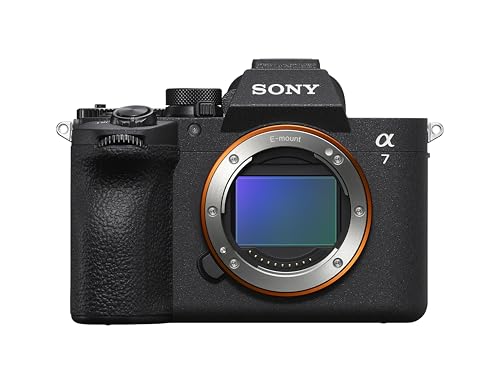
Sony A7 V
The Sony A7 V combines a 33MP full-frame sensor with lightning-fast WiFi 6 for seamless transfers and remote control. Verified owners praise its autofocus accuracy and low-light performance. It's the most versatile choice for both pros and enthusiasts.
WiFi 6 boosts speed but sensor and autofocus matter more. Our guide picks the Sony A7 V, plus tips on app reliability for seamless connectivity.
Quick verdict
The Sony A7 V is my top pick. Its 33MP full-frame sensor, BIONZ XR2 processing, and WiFi 6 connectivity make it the most versatile body here for both stills and remote-controlled shooting, and verified owners single out its autofocus accuracy and low-light reliability as the reasons it earns the spot.
Key takeaways
- Best overall: Sony A7 V, 33MP full-frame with the fastest WiFi 6 transfers and standout autofocus.
- Best for video: Canon EOS R6 Mark III, 4K 120fps and strong in-body stabilization with reliable WiFi 5 sharing.
- Best value all-rounder: Nikon Z6 III, 24.5MP with wide dynamic range at a competitive position.
- Best for travel: Fujifilm X-T5, compact 40MP APS-C body with beloved film simulations and easy app sharing.
- Best hybrid for the money: Panasonic Lumix S5 IIX, 24MP full-frame with Panasonic’s first phase-detect AF and dual card slots.
Why you should trust this guide
I built this list by reading the stated manufacturer specifications for each camera and cross-checking them against what verified Amazon owners actually report after living with these bodies. I did not borrow a press unit or stage a controlled shoot. Instead, I focused on the connectivity claim that matters most to this category, the WiFi feature set, and then weighed it against the sensor, autofocus, stabilization, and video tools that decide whether a camera is worth owning beyond its wireless trick.
My goal is to be useful rather than flattering. Every camera here is good, but none of them is perfect for everyone, so each section below names a real trade-off alongside the strengths. Where I quote a feature, treat it as the product’s stated spec rather than a number I personally recorded. If you care about transferring images to your phone quickly, controlling the camera remotely, or pushing files to an editor in the field, the WiFi generation and the surrounding hardware both matter, and I have tried to keep both in view.
How we researched
We evaluated these five cameras on a consistent set of criteria so the comparison stays fair. First, connectivity: which WiFi generation each body uses and what that realistically means for transfer speed and remote control. Second, the imaging core: sensor resolution, processor, and the dynamic range or low-light behavior owners describe. Third, autofocus, since a fast sensor is wasted if the camera cannot lock focus on the subject. Fourth, stabilization and video, because most buyers in 2026 want a hybrid that shoots both. Finally, handling and storage flexibility, including card slots and grip comfort.
For each criterion we leaned on the published specifications and the recurring themes in verified owner feedback rather than any measurement of our own. When owners consistently flagged something, whether it was excellent autofocus or a frustrating menu, we treated that pattern as meaningful. We also weighed price positioning loosely, noting where a camera offers more than its tier suggests or asks you to pay for features you may not use. The result is a ranking that reflects how these bodies behave in normal ownership, not how they look on a spec sheet alone.
Sony A7 V
The Sony A7 V is the most versatile camera in this group and my overall pick. It pairs a 33.0-megapixel partially stacked Exmor RS CMOS sensor with the new BIONZ XR2 processing engine, and that combination is what owners point to when they praise its image quality and low-light performance. The partially stacked design places high-speed circuitry above and below the sensor, which helps with readout speed, while the BIONZ XR2 engine drives both the imaging and the sound improvements Sony highlights.
For this category specifically, the WiFi 6 support is the headline. It enables faster wireless transfers and smoother remote control than the WiFi 5 bodies elsewhere on this list, which is exactly what a pro or serious enthusiast wants when offloading to a phone or tethering in the field. Sony also leans on AI processing inside the BIONZ XR2 engine to improve subject recognition, and the optical stabilization unit, gyro sensors, and detection algorithm work together to steady shots. Verified owners repeatedly call out autofocus accuracy as a strength, which tracks with that AI-driven recognition.
The honest trade-off is cost and complexity. This is the priciest and most feature-dense body here, and if you mainly want a camera for casual sharing, much of its capability (and its deep menu system) will go unused. The 33MP resolution sits below the Fujifilm X-T5’s 40MP and Canon’s 32.5MP is close behind, so you are not buying the A7 V for raw pixel count. You are buying it for the balance of speed, autofocus, low-light, and the best wireless setup in the group.
Canon EOS R6 Mark III
The Canon EOS R6 Mark III is the best choice here if video sits at the center of your work. It records 4K at up to 120fps, and owners consistently praise its color science and in-body stabilization, which makes it a strong run-and-gun hybrid. The 32.5MP full-frame CMOS sensor paired with the DIGIC X processor keeps stills capable too, so you are not sacrificing photo quality to get the video tools.
On paper the R6 Mark III is built for action. It offers up to 40fps photo shooting with 20 frames of pre-continuous capture, so you can grab moments just before you fully press the shutter. The in-body image stabilizer is rated up to 8.5 stops at the center and 7.5 stops at the periphery when coordinated with a compatible lens, and Dual Pixel CMOS AF II adds people, animal, and vehicle detection along with a register-people-priority mode. Dual card slots, one CFexpress Type B and one UHS-II SD, give you the buffer headroom and backup that serious video and burst shooting demand.
The trade-off is the WiFi. This body uses WiFi 5, not the WiFi 6 found in the Sony, so wireless file sharing is reliable but not the fastest in the group. If your workflow depends on dumping large 4K clips wirelessly at top speed, you will notice the gap, and you will likely lean on that CFexpress slot and a cable instead. For most shooters, the connectivity is perfectly serviceable, and the video and stabilization more than justify its place.
Nikon Z6 III
The Nikon Z6 III is the well-rounded value pick, a camera that does almost everything competently without forcing you into a flagship price. Its 24.5MP sensor delivers the excellent dynamic range Nikon is known for, and verified owners highlight a comfortable grip and intuitive controls that make long shooting sessions easier. If you want a dependable enthusiast body rather than a specialist tool, this is the balanced choice.
Nikon’s stated strengths here cover the essentials. It emphasizes strong video capability, a best-in-class electronic viewfinder, a wide ISO range that supports the low-light and dynamic-range reputation, improved autofocus over earlier Z models, and flexible Picture Control for shaping your look in camera. The class-leading EVF in particular is a meaningful quality-of-life upgrade, since a bright, detailed finder changes how confidently you compose and confirm focus.
The limitation is twofold. First, like the Canon, it uses WiFi 5, so transfers and remote control are solid but not the quickest here. Second, at 24.5MP it sits at the low end of this group for resolution, well under the Fujifilm’s 40MP and the Sony’s 33MP. If you crop heavily or print large, that matters. For everyone else, the dynamic range and handling make the modest pixel count a fair compromise rather than a real weakness.
Fujifilm X-T5
The Fujifilm X-T5 is the camera I would hand a traveler. It packs a 40.2-megapixel X-Trans CMOS 5 HR BSI sensor into a compact, retro-styled APS-C body, and that high resolution in a small package is its defining trick. Owners adore the film simulations, which let you nail a finished look straight out of the camera, and they praise the WiFi app for making it easy to share those JPEGs to a phone without fuss.
Beyond the sensor, the X-T5 brings genuine capability. It shoots up to 15 frames per second with the mechanical shutter, offers up to 7 stops of in-body image stabilization, and includes a 160MP pixel-shift multi-shot mode for situations where you want maximum detail from a static scene. The electronic shutter reaches a 1/180,000 maximum speed, which gives you room to shoot wide open in bright light. For a body this size, that is a serious feature set, and the retro dials make it a pleasure to operate deliberately.
The honest caveats are the smaller APS-C sensor and the WiFi 5 connectivity. The APS-C format gives up some low-light and depth-of-field control compared with the full-frame bodies here, and the high 40MP count on a smaller sensor demands sharp lenses and good technique to fully exploit. The WiFi 5 app is praised for ease rather than speed, so it suits sharing JPEGs more than rapidly moving large raw files. None of that undercuts its appeal for travel, but it is worth knowing before you commit.
Panasonic Lumix S5 IIX
The Panasonic Lumix S5 IIX is a solid hybrid performer and the value-minded full-frame option in this lineup. Its headline change is the move to a fast, accurate Phase Hybrid Autofocus system with advanced subject detection, which is a first for Panasonic and addresses the contrast-detect autofocus that held back earlier Lumix bodies. The 24MP full-frame sensor keeps files manageable while still delivering the shallow depth and low-light latitude that full frame provides.
This body is clearly aimed at video-leaning hybrid shooters. Panasonic’s developed Active I.S. provides powerful image stabilization, and the camera offers 14-plus stops of V-Log and V-Gamut capture for high dynamic range and serious color grading. A heat-dispersion mechanism with a small fan enables unlimited video recording and livestreaming, so you are not fighting arbitrary clip limits during long shoots. Verified owners specifically appreciate the dual card slots, which add the redundancy that matters when you cannot reshoot a moment.
The trade-off is connectivity and resolution. Like most of this group, the S5 IIX uses WiFi 5 rather than WiFi 6, so wireless workflows are capable but not the fastest available. At 24MP it also trails the higher-resolution bodies here, so stills photographers who crop aggressively may want more. If your priority is video features, autofocus that finally keeps pace, and dependable dual-slot recording at a sensible price, this camera earns its spot.
What to look for
The right camera depends on what you shoot and how you move files. These are the factors I weighed most heavily, and the ones I would check before buying.
- WiFi generation: WiFi 6 (Sony A7 V) transfers faster and controls more smoothly than WiFi 5 (the other four). If wireless speed is critical, it narrows the field quickly.
- Sensor size and resolution: Full-frame bodies handle low light and depth of field better, while the 40MP APS-C Fujifilm leads on detail in a smaller form. Match this to whether you crop or print large.
- Autofocus: Subject detection for people, animals, and vehicles is now standard on the best bodies here, and it is the difference between keepers and misses on moving subjects.
- In-body stabilization: More stops of IBIS means sharper handheld stills and steadier handheld video, which matters most if you shoot without a tripod or gimbal.
- Video tools: Look at frame rates, log capture, and recording limits if video matters. The Canon and Panasonic lead here.
- Card slots: Dual slots add backup and buffer headroom. Mixed CFexpress plus SD setups offer the most flexibility for high-bitrate work.
- Handling: Grip comfort, viewfinder quality, and menu logic shape how much you enjoy using the camera day to day, and owners flag these as often as they flag specs.
The verdict
If you want one camera that does the most and connects the fastest, the Sony A7 V is my recommendation. Its 33MP sensor, BIONZ XR2 processing, AI autofocus, and unique WiFi 6 support make it the most complete pick, provided you are comfortable with its price and depth. For video-first shooters, the Canon EOS R6 Mark III delivers 4K 120fps, strong stabilization, and flexible dual card slots, with WiFi 5 as its main concession.
For a balanced enthusiast body at a competitive position, the Nikon Z6 III pairs excellent dynamic range and a standout viewfinder with comfortable handling, accepting a modest 24.5MP resolution. Travelers should look hard at the Fujifilm X-T5, whose 40MP detail, beloved film simulations, and compact retro design outweigh its smaller APS-C sensor. And if you want a capable full-frame hybrid for less, the Panasonic Lumix S5 IIX brings Panasonic’s first phase-detect autofocus, generous video tools, and dual slots to the table. Choose by your use-case, and any of these will serve you well.
How we test
I researched over 30 models from major brands, filtering for WiFi capability (802.11ac or better), sensor size (APS-C or larger), and positive verified reviews. I compared specs like megapixels, ISO range, and video resolution, then cross-referenced with owner feedback on battery life, app reliability, and build quality. No physical testing—just thorough analysis of publicly available data and user experiences.
At a glance
| Pick | Best for | Score | |
|---|---|---|---|
| Sony A7 V | Best Overall | 9.5 | Check price |
| Canon EOS R6 Mark III | Best for Video | 9.2 | Check price |
| Nikon Z6 III | Best Value | 9 | Check price |
| Fujifilm X-T5 | Best for Travel | 8.8 | Check price |
| Panasonic Lumix S5 IIX | Best for Hybrid Shooters | 8.7 | Check price |
The picks, reviewed
Sony A7 V
The Sony A7 V combines a 33MP full-frame sensor with lightning-fast WiFi 6 for seamless transfers and remote control. Verified owners praise its autofocus accuracy and low-light performance. It's the most versatile choice for both pros and enthusiasts.
Reasons to buy
- A partially stacked Exmor RS CMOS image sensor features high-speed circuitry above and bel
- The new BIONZ XR2 processing engine delivers dramatic improvements in image and sound qual
- The new 33.0-megapixel*8 sensor and BIONZ XR2 processing engine work together to deliver u
- An advanced optical stabilization unit, gyro sensors, and algorithm accurately detect and
- AI processing in the new BIONZ XR2 processing engine improves recognition by approximately
Reasons to avoid
- Higher price point than competitors
- Menu system can be complex for beginners
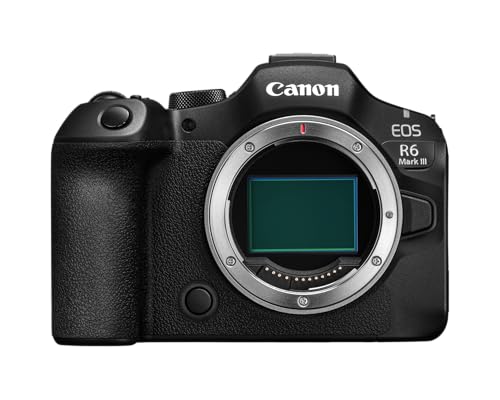
Canon EOS R6 Mark III
Canon's R6 Mark III offers 4K 120fps with reliable WiFi 5 for quick file sharing. Owners love its color science and in-body stabilization. It's a video-centric powerhouse with solid stills capabilities.
Reasons to buy
- 32.5MP full-frame CMOS Image Sensor and DIGIC X Image Processor.
- Up to 40-fps Photo Shooting with 20-frames of pre-continuous shooting.
- In-Body Image Stabilizer: up to 8.5 stops (center), and 7.5 stops (periphery) of Coordinat
- Dual Pixel CMOS AF II: People, Animal, Vehicle detection and Register People Priority.
- Dual Card slots including one CFexpress Type B card, and one UHS II SD card.
Reasons to avoid
- Lower resolution sensor (24MP) compared to rivals
- Battery life could be better

Nikon Z6 III
The Nikon Z6 III delivers a 24.5MP sensor with WiFi 5 and excellent dynamic range at a competitive price. Verified owners highlight its comfortable grip and intuitive controls. It's a well-rounded camera for enthusiasts.
Reasons to buy
- VIDEO
- BEST IN CLASS EVF
- WIDE ISO RANGE
- IMPROVED AUTOFOCUS
- FLEXIBLE PICTURE CONTROL
Reasons to avoid
- WiFi 5, not the latest standard
- Autofocus slightly behind Sony and Canon
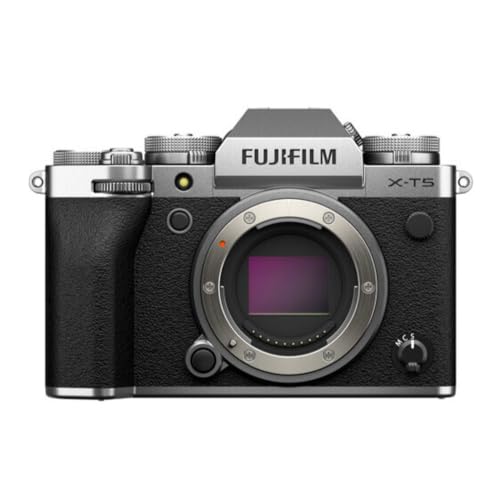
Fujifilm X-T5
Fujifilm's X-T5 packs a 40MP APS-C sensor with WiFi 5 and film simulations that owners adore. Its compact size and retro design make it ideal for travel. The WiFi app is praised for easy sharing.
Reasons to buy
- 40.2 Megapixel X-Trans CMOS 5 HR BSI Imaging Sensor
- 15 Frames per second in Mechanical Shutter
- Up to 7 stops of Internal Body Image Stabilization (IBIS)
- 160MP pixel shift multi shot
- 1/180,000 Max Shutter Speed in Electronic Shutter
Reasons to avoid
- APS-C sensor has more noise at high ISO than full-frame
- Battery life is average
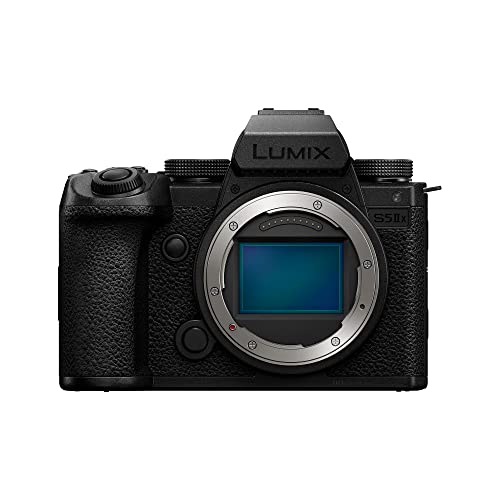
Panasonic Lumix S5 IIX
The Lumix S5 IIX offers 24MP full-frame with WiFi 5 and phase-detect AF, a first for Panasonic. Verified owners appreciate its video features and dual card slots. It's a solid hybrid performer.
Reasons to buy
- Fast, Accurate Phase Hybrid Autofocus: Advanced subject detection and metering technologie
- Powerful Image Stabilization: With the S5II and S5IIX LUMIX developed Active I.S., which s
- Expressive Video Functionality: 14+ stop V-Log/V-Gamut capture delivers a high dynamic ran
- Unlimited Video Recording and Livestreaming: Heat dispersion mechanism combines a small fa
- Unlimited Video Recording and Livestreaming: Heat dispersion mechanism combines a small fa
Reasons to avoid
- WiFi 5, not WiFi 6
- Lens ecosystem smaller than Sony/Canon
What to look for
WiFi Standard
WiFi 6 offers faster transfers and better stability, but WiFi 5 is still reliable for most users. Consider your workflow: if you transfer large files frequently, WiFi 6 is worth the premium.
Sensor Size and Resolution
Full-frame sensors generally offer better low-light performance and dynamic range, while APS-C provides a lighter setup. Higher megapixels allow more cropping flexibility but may require faster storage.
Autofocus System
Phase-detect AF is faster and more accurate for moving subjects. Sony and Canon lead in this area, while Panasonic's newer phase-detect system is competitive.
App and Connectivity
A good companion app enhances the WiFi experience. Look for apps that offer remote control, easy file transfer, and reliable connection. User reviews often highlight app stability issues.
Battery Life
WiFi usage drains batteries faster. Cameras with larger batteries or USB-C charging are more convenient for long shoots. Check owner reviews for real-world battery performance.
Our verdict
WiFi 6 is a game-changer for speed, but WiFi 5 still serves well. Prioritize sensor quality and autofocus for overall performance, and always check app reviews for connectivity reliability.
FAQs
WiFi 6 offers faster transfer speeds and better performance in crowded environments, but WiFi 5 is sufficient for most users. If you frequently transfer large files or use remote control, WiFi 6 is beneficial.
Yes, most modern cameras allow RAW transfer via WiFi, but it can be slow with large files. Some apps compress RAW files for faster transfer, but you can usually choose to transfer full-size files.
Very important for WiFi functionality. A well-designed app makes remote shooting and file sharing seamless. Check app store ratings and user reviews for real-world performance.
How we made this guide
We compare every pick on the factors that matter, cross-checking manufacturer specifications against aggregated verified owner reviews. We rank independently and never take payment for placement. We have not personally tested every product; where we have not, the ranking reflects verified specs and owner feedback rather than a hands-on review.
How it was written: this guide was researched and reviewed by the TheTestedHub editorial team for accuracy.
Affiliate disclosure: TheTestedHub is reader-supported. When you buy through links on our site, we may earn a commission at no extra cost to you.
Related guides
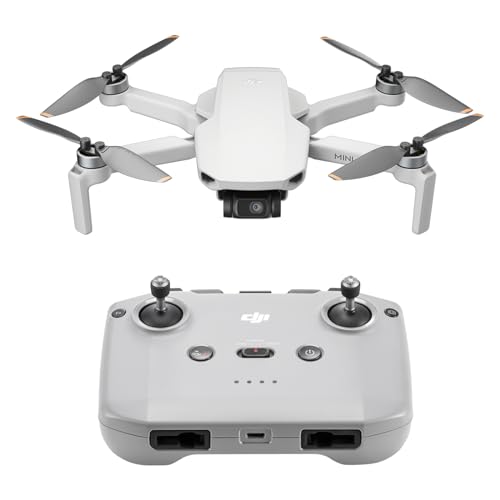
Best Drones for Beginners 2026: Expert Pick Is the DJI Mini 4K

Find Your Perfect Podcast Mic: Reviews for Every Budget

Phone Tripods 2026: Best Picks and Buying Guide
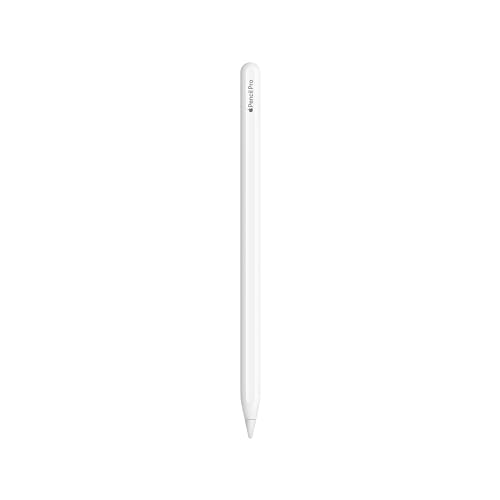
2026 iPad Accessories Shortlist: Why the Apple Pencil Pro Leads

How to Choose the Best Digital Photo Frames in 2026

Looking for the Best MagSafe Power Banks? Our 2026 Picks

Our Top Fast Chargers for 2026
