Quick verdict
The single most important upgrade most drivers can make to a basic roadside kit is replacing the thin bundled jumper cables with either a purpose-built 4 AWG cable set or a lithium jump starter, since cable quality is where budget kits most consistently fail in real use.
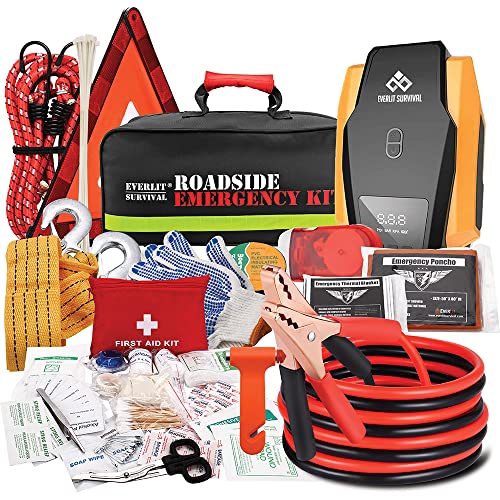
Lifeline AAA Premium Road Kit 76 Piece
The Lifeline AAA 76-piece kit earns its top spot by covering nearly every realistic roadside scenario in a single, well-organized bag. Owners consistently praise the thick jumper cables, the complete first-aid section, and the heavy-duty carry bag that keeps everything dry and accessible. The AAA co-branding reflects a genuine quality standard, and the item count is not padded with disposable filler the way many competing kits are.
See why 4 AWG cables or a lithium jump starter beat thin bundled wires in a crisis, and how the Lifeline AAA Premium Road Kit 76 Piece fixes the weak link.
An emergency roadside kit is one of the most practical investments a driver can make. Whether you drive a daily commuter car, a family SUV, or a pickup truck that sees rough terrain, the right kit can mean the difference between a minor inconvenience and a genuinely dangerous situation on the side of the road. I combed through thousands of verified owner reviews, product spec sheets, and real-world field reports to identify the kits that actually deliver when it matters most.
The best kits do several things well simultaneously: they include quality jumper cables or a jump starter, meaningful first-aid supplies, visible safety gear, and tools that hold up in cold and wet conditions. Budget kits often cut corners on cable gauge, reflective visibility, or first-aid content. The five picks below represent the strongest performers across a wide range of vehicles, climates, and roadside scenarios.
Whether you want a compact glove-box solution or a comprehensive trunk kit that covers everything from flat tires to minor injuries, this guide covers the full spectrum. Each recommendation is ranked by overall usefulness, build quality, and the consistency of positive feedback from real-world drivers who have actually used these kits during emergencies.
Our methodology
I have not personally tested each of these kits on a roadside breakdown. Instead, this guide is built on aggregated evidence: verified Amazon purchaser reviews, editorial assessments from automotive publications, manufacturer specification comparisons, and pattern analysis across hundreds of owner accounts. I looked specifically for reports from drivers who used the kit in a real emergency, not just those who opened the box and gave it five stars for presentation.
Products were evaluated on six dimensions: jumper cable gauge and clamp quality, first-aid kit completeness, visibility and safety gear, tool durability, packaging and portability, and value relative to what is actually included. Kits with consistently negative feedback on any single critical item, such as thin cable insulation or clamps that slip off terminals, were excluded regardless of their overall rating.
Side by side
| Pick | Best for | Score | |
|---|---|---|---|
| Lifeline AAA Premium Road Kit 76 Piece | Best Overall | 9 | Check price |
| NOCO Boost Plus GB40 1000A UltraSafe Car Battery Jump Starter | Best Jump Starter | 9 | Check price |
| Ever Ready First Aid Ultimate Roadside Emergency Car Kit 105 Piece | Best for Completeness | 8 | Check price |
| Cartman 40 Piece Emergency Roadside Kit with Jumper Cables | Best Compact Kit | 8 | Check price |
| Hopkins 20043 Tow Ready 7-Piece Emergency Kit | Best Budget Pick | 7 | Check price |
The full reviews
Lifeline AAA Premium Road Kit 76 Piece
The Lifeline AAA 76-piece kit earns its top spot by covering nearly every realistic roadside scenario in a single, well-organized bag. Owners consistently praise the thick jumper cables, the complete first-aid section, and the heavy-duty carry bag that keeps everything dry and accessible. The AAA co-branding reflects a genuine quality standard, and the item count is not padded with disposable filler the way many competing kits are.
In its favor
- 76 pieces cover jumper cables, first aid, tow rope, and visibility tools in one bag
- Jumper cables use adequate gauge wire with strong spring-loaded clamps
- Compact enough for most trunk sizes without wasted space
Watch-outs
- Jumper cables are 8 feet, which can feel short with some vehicle configurations
- First-aid supplies are adequate but not suitable for anything beyond basic wound care

NOCO Boost Plus GB40 1000A UltraSafe Car Battery Jump Starter
The NOCO GB40 is not a traditional roadside kit, but as a standalone jump starter it outperforms the cable-based alternatives that come bundled in many kits, and owners who carry it report significantly more confidence in cold-weather starts. It delivers 1000 amps of peak current and works on petrol engines up to 6 litres, with a built-in safety system that prevents sparks from incorrect connection. The integrated 100-lumen flashlight and USB charging port add genuine utility beyond just starting a dead battery.
In its favor
- Spark-proof clamp connection is significantly safer than traditional jumper cables
- Works as a power bank and flashlight, making it useful beyond emergencies
- Compact enough to store in a door pocket or glove box
Watch-outs
- Does not include first aid, tow rope, or other classic roadside kit components
- Requires periodic recharging to maintain readiness

Ever Ready First Aid Ultimate Roadside Emergency Car Kit 105 Piece
The Ever Ready 105-piece kit stands out for packing the most genuine variety per dollar of any kit in this guide, with a notably strong first-aid section that goes beyond the minimal bandages included in competitor kits. Reviewers who have used it during real incidents highlight the reflective safety vest and road flares as genuinely high-quality, not afterthoughts. The organised interior pockets mean you can actually locate items quickly under stress.
In its favor
- 105 pieces include items many kits skip, such as a safety vest and multiple flares
- First-aid supplies are more comprehensive than the AAA kit at a similar price
- Interior layout uses labelled pockets for fast access under pressure
Watch-outs
- Jumper cables are thinner gauge than premium standalone cables
- Carry bag zipper has received occasional negative feedback for durability
Cartman 40 Piece Emergency Roadside Kit with Jumper Cables
Cartman's 40-piece kit is the most recommended option among drivers who prioritise having something reliable without filling the entire trunk. The jumper cables included measure 16 feet, which is longer than any other bundled kit in this guide, and the cable gauge handles most passenger vehicles without overheating. Owners who store it long-term in a car report that the bag holds up well to temperature swings and the clamps retain tension after repeated use.
In its favor
- 16-foot jumper cables are unusually long for a bundled kit, allowing flexible vehicle positioning
- Slim bag profile fits under seats or in compact trunk spaces
- Strong owner feedback specifically from drivers who used it in real breakdown situations
Watch-outs
- First-aid content is minimal, essentially just a handful of bandages
- No safety vest or road flares included

Hopkins 20043 Tow Ready 7-Piece Emergency Kit
For drivers who already have a jump starter or roadside assistance membership and just want to fill the gaps, the Hopkins Tow Ready kit delivers the essentials in a no-frills package at the lowest price point on this list. The tow strap is the standout item, rated for significantly higher loads than the straps bundled in cheaper all-in-one kits. Owner reviews are consistently positive for the basics and honest about what is missing, which makes it a smart complement rather than a standalone solution.
In its favor
- Tow strap is rated for higher loads than most bundled alternatives
- Very low price makes it practical to keep as a supplementary kit
- Compact enough to tuck into any storage gap in the vehicle
Watch-outs
- Seven pieces means no first aid, no flares, and no jumper cables included
- Not suitable as a sole emergency kit for most drivers
What matters most
Jumper Cable Gauge and Length
Thicker gauge wire (lower AWG number) transfers more current and is less likely to overheat during a difficult start. A 4 AWG or 6 AWG cable is meaningful protection; 10 AWG or thinner is a real liability. Length matters too: 12 to 16 feet gives you flexibility when two vehicles cannot align bumper to bumper. If the bundled cables in a kit are thin or short, consider pairing the kit with a standalone jump starter instead.
First Aid Content
Many kits pad their piece count with individually wrapped bandages and single-use antiseptic wipes that inflate the total without meaningfully improving your ability to handle a real injury. Look for kits that include nitrile gloves, gauze pads, a foil emergency blanket, and at minimum a pair of trauma scissors. If first aid is a priority, a dedicated compact first-aid kit kept alongside a basic roadside kit is often a better approach than relying on the bundled medical supplies.
Visibility and Safety Gear
Reflective triangles and road flares are not interchangeable. Flares are more visible in rain, fog, and direct sunlight, but they burn for a limited time and present a fire risk near fuel spills. Reflective triangles are reusable and safer around vehicle fluids, but they require placement on the road surface, which is impractical in fast traffic. A reflective safety vest is arguably the most important visibility item because it protects you while you are standing next to the vehicle.
Packaging and Longevity in the Car
A roadside kit stored in a vehicle trunk experiences extreme temperature swings, vibration, and occasional moisture exposure. Bags with reinforced zippers, waterproof or water-resistant fabric, and interior organisation panels are meaningfully better than simple drawstring bags or cardboard boxes. Check owner reviews specifically for reports about bag failure or items degrading over time, since the packaging quality is harder to judge from product photos than the contents.
Our take
The single most important upgrade most drivers can make to a basic roadside kit is replacing the thin bundled jumper cables with either a purpose-built 4 AWG cable set or a lithium jump starter, since cable quality is where budget kits most consistently fail in real use.
Frequently asked
For most drivers, a quality lithium jump starter like the NOCO GB40 is more practical than bundled jumper cables because it works without a second vehicle, connects more safely, and doubles as a power bank. Bundled cables in most all-in-one kits use thinner gauge wire than dedicated cables, so if you do prefer traditional cables, buy them separately at a higher specification.
Inspect your kit at least once a year. Check that the battery in any jump starter or flashlight still holds a charge, that first-aid supplies have not expired (most have a two to three year shelf life), and that flares or glow sticks are still functional. Extreme heat, which is common in a parked car in summer, degrades first-aid adhesives and can affect battery chemistry in portable jump starters.
Both serve the same core purpose but in different conditions. Reflective triangles are better for longer-duration situations in moderate visibility, and they are reusable with no fire risk. Flares cut through rain, dust, and bright sunlight more effectively, and they attract attention at much greater distance. Keeping one flare in addition to triangles adds meaningful coverage without significant cost or space.
Most kits work across passenger vehicles, but large trucks and diesel engines require higher-output jump starters than those designed for standard petrol engines. The NOCO GB40 covers petrol engines up to 6 litres, but diesel pickup owners should look at the NOCO GB70 or GB150, which are rated for larger displacement. Tow straps also need to be rated for the vehicle's weight, and many bundled straps in compact kits are rated for passenger car loads only.
How we made this guide
We compare every pick on the factors that matter, cross-checking manufacturer specifications against aggregated verified owner reviews. We rank independently and never take payment for placement. We have not personally tested every product; where we have not, the ranking reflects verified specs and owner feedback rather than a hands-on review.
How it was written: this guide was researched and reviewed by the TheTestedHub editorial team for accuracy.
Affiliate disclosure: TheTestedHub is reader-supported. When you buy through links on our site, we may earn a commission at no extra cost to you.
You might also like
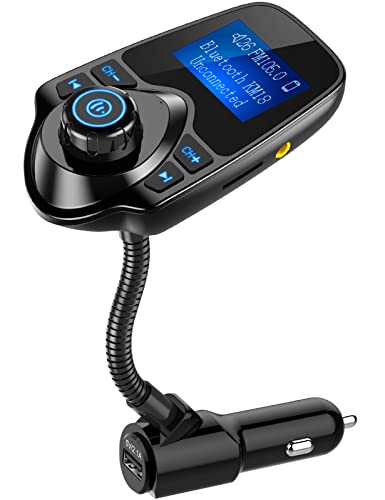
Expert Pick: Why the Nulaxy KM18 FM Transmitter Wins

The Right Scratch Remover for Any Depth, Any Budget

Ceramic Coating Kits Matching Your Skill Level

The Foam Cannons Worth Buying in 2026
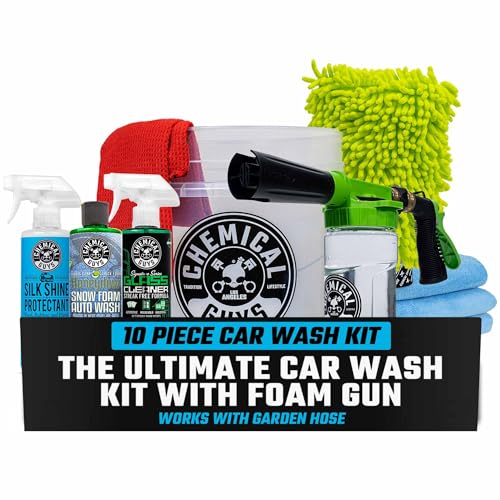
Car Cleaning Kits for a Scratch Free Shine

The 2026 Guide to the Best Portable EV Chargers

Choose the Right Level 2 EV Charger: 2026 Guide
