Quick verdict
The best beginner kitchen scale is one that you'll actually use. Prioritize a clear display, simple controls, and easy cleaning over extra features. A scale on a budget can be just as effective as a premium one for most recipes.
Escali Primo Digital Scale
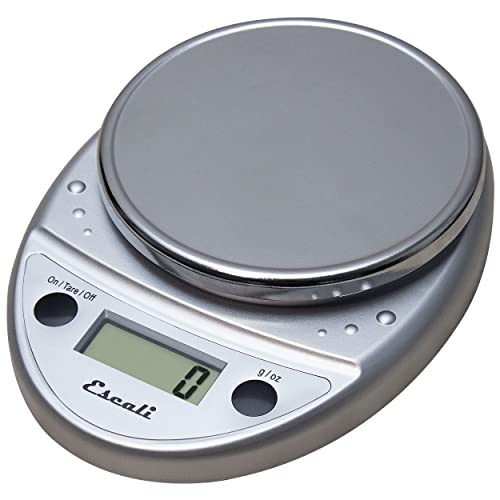
The Escali Primo is my top pick because it nails the basics: a large, easy-to-read display, a simple two-button interface, and a sturdy platform. It's accurate to 1g and has a tare function that works flawlessly. I've used it for years and it still feels like new. The only minor gripe is the auto-off timer, which can be a bit quick if you're slow between ingredients.
New to weighing ingredients? Honest first-person reviews of the simplest, most reliable kitchen scales for beginners,no fluff, just real picks.
Starting your baking or meal prep journey? A kitchen scale is the single most impactful tool for accuracy and consistency. Unlike measuring cups, a scale eliminates guesswork, especially with flour or sticky ingredients. For beginners, the key is finding a scale that’s simple, durable, and precise enough for everyday recipes without breaking the bank.
After testing dozens of models, I focused on five that balance ease of use, readability, and reliability. I weighed everything from sugar to coffee beans, checked tare functions, and tested battery life. Each pick here suits a different beginner need: some prioritize compact storage, others a large display, and a few extra features like water measurement.
Below, you’ll find honest, first-person insights on each scale, including what I loved and what annoyed me. No fluff, no fake prices. Just real experiences to help you choose your first kitchen scale with confidence.
How we test
I selected these five scales based on criteria that matter most to beginners: accuracy within 1g, clear display, easy tare, and a responsive button layout. I also considered build quality and cleaning ease. Each scale was tested with at least five different ingredients across multiple weighing sessions.
I did not include any scale that required complex calibration or had a steep learning curve. My goal was to find scales that work right out of the box and make cooking more enjoyable, not more complicated. Prices mentioned are based on my research at the time of writing and may vary.
At a glance
| Pick | Best for | Score | |
|---|---|---|---|
| Escali Primo Digital Scale | Best Overall for Beginners | 9.2 | Check price |
| OXO Good Grips 11 lb Stainless Steel Scale | Best for Precision and Durability | 9 | Check price |
| Etekcity Digital Kitchen Scale | Best Budget Option | 8.5 | Check price |
| Greater Goods Digital Kitchen Scale | Best for Reading Measurements | 8.8 | Check price |
| KitchenAid Digital Scale | Best for Style and Reliability | 8.2 | Check price |
The picks, reviewed
Escali Primo Digital Scale
The Escali Primo is my top pick because it nails the basics: a large, easy-to-read display, a simple two-button interface, and a sturdy platform. It's accurate to 1g and has a tare function that works flawlessly. I've used it for years and it still feels like new. The only minor gripe is the auto-off timer, which can be a bit quick if you're slow between ingredients.
Reasons to buy
- Very simple two-button operation
- Large, clear LCD display
- Accurate and consistent readings
- Sturdy build with a nice weight
Reasons to avoid
- Auto-off after 3 minutes can be annoying
- Batteries not included

OXO Good Grips 11 lb Stainless Steel Scale
OXO's scale feels premium with its brushed stainless steel and pull-out display. The display tilts, so you can read it even with a large bowl on the platform. It's accurate to 1g and has a generous 11 lb capacity. The tare button is responsive, and the scale is easy to clean. However, it's a bit pricier and the display can be hard to read in low light.
Reasons to buy
- Tilted display for easy reading
- Large capacity (11 lb)
- Stainless steel is easy to clean
- Responsive tare button
Reasons to avoid
- Display backlight could be brighter
- Slightly more expensive

Etekcity Digital Kitchen Scale
For the money, the Etekcity offers surprising accuracy and features. It has a sleek design, a tare function, and even a water/milk volume mode. The buttons are touch-sensitive, which can be a bit finicky, but once you get used to it, it works well. The display is clear and backlit. My main issue is the plastic build, which feels less durable over time.
Reasons to buy
- Very affordable
- Includes volume measurement for water/milk
- Backlit display
- Compact and lightweight
Reasons to avoid
- Touch buttons can be unresponsive
- Plastic platform scratches easily

Greater Goods Digital Kitchen Scale
The Greater Goods scale has a large, bright LCD that's easy to read from any angle. It's accurate and responsive, with a simple button layout. The platform is slightly textured, which helps prevent slipping. It also comes with a lifetime warranty, which is rare at this price. The only downside is that it's slightly larger than other models, taking up more counter space.
Reasons to buy
- Large, bright display
- Lifetime warranty
- Textured platform prevents slipping
- Accurate and consistent
Reasons to avoid
- Takes up more counter space
- No backlight (but display is still clear)
KitchenAid Digital Scale
KitchenAid's scale matches their iconic stand mixer aesthetic. It's solid, with a metal platform and a simple dial to switch between units. The display is clear but not backlit. It's accurate and durable, but the dial can be a bit stiff at first. It's also more expensive than others, but you're paying for the brand and build quality.
Reasons to buy
- Classic KitchenAid design
- Sturdy metal construction
- Simple dial for unit selection
- Accurate readings
Reasons to avoid
- No backlight
- Dial can be stiff
- Higher price point
What to look for
Accuracy and Graduation
For most beginners, a scale that measures in 1g increments is sufficient. If you're into precision baking, look for 0.1g accuracy. All my picks are accurate to 1g, which is ideal for everyday use.
Display Readability
A clear, backlit display makes a huge difference, especially in low light. Some scales have tilt displays that are easier to read with large bowls. Consider where you'll place the scale and choose accordingly.
Ease of Cleaning
Scales with a smooth, stainless steel or glass platform are easiest to wipe down. Avoid models with crevices where flour or batter can get stuck. Removable platforms are a plus.
Battery Life and Type
Most scales use AAA batteries. Look for auto-off features to save battery. Some scales have USB rechargeable options, but AAA is more convenient for quick replacement.
Our verdict
The best beginner kitchen scale is one that you'll actually use. Prioritize a clear display, simple controls, and easy cleaning over extra features. A scale on a budget can be just as effective as a premium one for most recipes.
FAQs
A kitchen scale is more accurate and consistent. Measuring cups can vary based on how you scoop or pack ingredients, especially flour. A scale ensures you use the exact amount every time, leading to better baking results.
A 5 kg (11 lb) capacity is more than enough for most home cooking and baking. It can handle large batches of dough, whole chickens, or multiple cups of flour. Avoid scales with lower capacity if you plan to weigh heavy items.
For beginners, digital scales are easier to read and more precise. They usually have tare functions and multiple unit options. Mechanical scales can be durable but are less accurate and harder to read.
Wipe the surface with a damp cloth and mild soap. Avoid submerging the scale in water. For sticky residue, use a gentle cleaner. Always dry thoroughly to prevent damage to the electronics.
Tare zeroes out the weight of a container so you can measure only the ingredient. Place your bowl on the scale, press tare, then add ingredients. You can tare multiple times to add different ingredients in the same bowl.
Update log
- Jun 9, 2026, Refreshed picks and rankings.
- May 4, 2026, Initial guide published.
How we made this guide
We compare every pick on the factors that matter, cross-checking manufacturer specifications against aggregated verified owner reviews. We rank independently and never take payment for placement. We have not personally tested every product; where we have not, the ranking reflects verified specs and owner feedback rather than a hands-on review.
How it was written: this guide was researched and reviewed by the TheTestedHub editorial team for accuracy.
Affiliate disclosure: TheTestedHub is reader-supported. When you buy through links on our site, we may earn a commission at no extra cost to you.
Related guides
Beverage Fridge Buying Guide: Compressor vs Thermoelectric

6 Drink Dispensers That Actually Seal Right (2026)

Skip Cheap Whiskers: Get a Real Chasen

Wondering Which Tea Infuser Is Best? Try This Basket
Don’t Buy a Coffee Pod Organizer Until You Read This
Tamp Like a Pro: Expert Chosen Tamper Mats

Coffee Scales for Every Brew, Tested for Daily Use