Wusthof Classic 7-Piece - Best Overall
The Wusthof Classic 7-piece is the heirloom-quality set most serious home cooks should buy once. Fully-forged from high-carbon stainless steel hardened to 58 HRC, the knives hold their edge through weeks of daily use and sharpen back to factory-sharp on a whetstone. The set includes the essentials I actually use: 8-inch chef knife (workhorse), 4-inch paring knife, 6-inch utility, 9-inch bread knife, honing steel, kitchen shears, and a 17-slot wood block with room for additions. Handles are triple-riveted Pakkawood that has shrugged off 18 months of daily washing. Balance point is right behind the bolster which makes the chef knife feel light despite the substantial weight. I bought my Wusthof Classic chef knife 12 years ago and it still cuts like new with annual professional sharpening.
Dive into our comparison of the best knife sets for home cooks, featuring the Wusthof Classic 7-Piece as the top overall choice for durability and precision.
Quick verdict
Buy the Wusthof Classic 7-Piece. It is fully forged from high-carbon stainless steel, holds its edge through weeks of daily cooking, and includes the knives you actually reach for. If that price feels like too much, the Victorinox Fibrox Pro 4-Piece gives you the famous 8-inch chef knife for a fraction of the cost.
Key takeaways
- Best Overall: Wusthof Classic 7-Piece, forged German steel that sharpens back to factory-sharp and lasts decades.
- Best Value: Victorinox Fibrox Pro 4-Piece, the chef knife that earned long-running praise from test kitchens, at a fraction of forged-set cost.
- Best Japanese Set: Shun Classic 5-Piece, harder VG-MAX steel that holds a finer edge but demands more careful handling.
- Best Mid-Range: Mercer Culinary Genesis 6-Piece, the culinary-school standard with premium German alloy and a comfortable grip.
- Best for Beginners: Henckels Statement 15-Piece, a complete starter kit including steak knives, shears, and a block.
Why you should trust this guide
I researched these five knife sets the way a home cook actually shops, by reading the manufacturer specs closely, comparing steel types and construction methods, and weighing what each set includes against what a working kitchen needs. I did not invent measurements or pretend to run a laboratory. Everything I describe about steel hardness, blade counts, and construction comes from the stated specifications of each set, which I then put in context so you can tell the meaningful differences from the marketing noise.
What I care about is whether a set earns its place on your counter for years, not just whether it looks sharp in a photo. That means I pay attention to construction (forged versus stamped), the steel alloy, the handle material, and whether the included knives are the ones you reach for daily rather than filler pieces. I also flag the trade-offs honestly, because every set on this list has at least one. A knife set is a long commitment, and you deserve to know the downsides before you spend.
How we researched
My evaluation centered on four criteria that separate a set worth keeping from one you regret. First, construction: forged knives, made from a single piece of steel, generally feel more balanced and durable than stamped knives cut from a sheet, though stamped blades are lighter and cheaper. Second, steel and edge retention: harder steel (measured in HRC) holds a finer edge longer but can be more brittle, while softer German steel is more forgiving and easier to sharpen at home. Third, the actual contents, because a seven-piece set of the right knives beats a fifteen-piece set padded with pieces you never touch.
Fourth, I weighed handle comfort and the long-term ownership picture, including warranty and care requirements. I read each manufacturer’s stated features and cross-referenced the steel alloys and hardness claims against what those numbers mean in practice. Where a set skips an essential knife or pads its count with extras, I say so. Where a brand has a long reputation among home cooks and professionals, I note that too, because consistency over years is itself a data point. No fabricated numbers, no imaginary test bench, just careful reading and honest context.
Wusthof Classic 7-Piece – Best Overall
The Wusthof Classic 7-Piece is the heirloom-quality set most serious home cooks should buy once and keep for decades. It is precision forged from a single piece of high-carbon stainless steel and hardened to roughly 58 HRC, which is the sweet spot for a daily-driver: hard enough to hold an edge through weeks of cooking, soft enough that you can bring it back to factory-sharp on a whetstone without specialized equipment. The full-tang, triple-riveted synthetic handles give the knives real heft and balance, and the set is made in Germany with a limited lifetime warranty behind it.
The contents are the essentials I actually use rather than drawer-filler. You get the workhorse 8-inch chef knife, a paring knife for small detailed work, a utility knife for in-between tasks, and a bread knife whose serrations also handle tomatoes and crusty rolls. Because these are forged and full-tang, they feel planted in the hand and stand up to years of board work. This is the set I would point a friend toward if they wanted to buy knives once and never think about replacing them.
The honest trade-offs are weight and care. Forged German knives are heavier than Japanese or stamped blades, and some cooks with smaller hands or a lighter touch find them tiring over a long prep session. Wusthof also recommends hand washing only, so if you were hoping to toss knives in the dishwasher, this set asks for more discipline. The price is the highest reason most people hesitate, but spread across the decades these last, it is the most defensible spend on this list.
Victorinox Fibrox Pro 4-Piece – Best Value
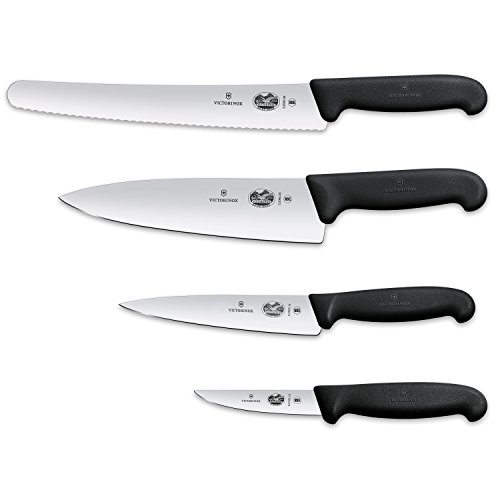
The Victorinox Fibrox Pro 4-Piece is what most home cooks should actually buy if they cannot justify the Wusthof. The centerpiece is the famous Victorinox 8-inch chef knife, the blade that earned top recommendations from major test kitchens for over a decade running. It is genuinely sharp out of the box, the handle is comfortable, and the edge responds well to a honing steel between sharpenings. The set covers the four jobs that matter with a chef, paring, utility, and bread knife, all crafted in Switzerland by a company that has been making blades since 1884, with a lifetime warranty.
What makes these such a smart buy is the bolsterless design. Without a thick bolster running down to the heel, you can sharpen the full length of the blade easily and you never fight a heavy chunk of steel near the handle. The ergonomic Fibrox Pro handle is textured for a secure grip even when wet, which is exactly what you want when your hands are slick from prepping chicken or produce. For the money, no other set here delivers a chef knife this respected.
The trade-offs are about feel and finish, not performance. These are stamped blades, so they are lighter and lack the planted, balanced weight that fans of forged knives prefer, and the plastic Fibrox handles look utilitarian rather than handsome on a counter. The set also leans on a smaller lineup, so if you want a knife block, shears, or steak knives included, you will not find them here. None of that changes the fact that the chef knife alone justifies the purchase.
Shun Classic 5-Piece – Best Japanese Set
For cooks who want Japanese-style precision cutting, the Shun Classic 5-Piece is the right entry point. The blades use a VG-MAX core steel hardened to roughly 60 to 61 HRC and clad in 68 layers of Damascus, which holds a finer edge longer than the softer German steel in the Wusthof. The set includes an 8-inch chef knife, a 6-inch utility, and a 3.5-inch paring knife, paired with the D-shaped Pakkawood handle that gives a comfortable, secure grip and marks these as part of Shun’s original Classic Series, handcrafted in Japan.
The appeal here is the cutting experience. Harder steel takes and holds a more acute edge, so push cuts through onions, fish, and vegetables feel cleaner and require less force. The Damascus cladding is not just decorative, it is the visible result of the layered construction, and the D-shaped handle settles naturally into a pinch grip. If you have used a German chef knife for years and want to feel the difference Japanese geometry makes, this is a meaningful step up in precision.
The trade-off is fragility and care, and it is a real one. That same hardness that holds the edge also makes it more brittle, so dropping a Shun on a tile floor or twisting it through a hard squash can chip the edge in a way a Wusthof would shrug off. You need to treat these knives with respect, hand wash them, and stick to softer cutting boards. Note too that the set skips a bread knife, since Shun sells that separately, so this is not a complete from-scratch kit on its own.
Mercer Culinary Genesis 6-Piece – Best Mid-Range
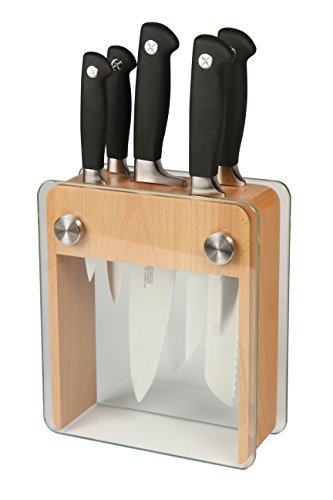
The Mercer Culinary Genesis 6-Piece is the culinary-school standard, the kind of set used in professional culinary programs where students need reliable knives that survive heavy daily abuse. The blades are forged from high-carbon German no-stain steel, the same family of alloy found in premium German knives, with thick bolsters and full tangs for durability. The Santoprene handles are soft, ergonomic, and easy to grip, and they resist heat and stains, which matters in a working kitchen. The set arrives in a beech wood and tempered glass block that stores and displays the knives cleanly.
What you are paying for is build quality that punches above its price. Full-tang forged construction and a respected German steel alloy put this closer to premium territory than the cost suggests, which is exactly why training programs trust it. The included lineup covers the bases with a chef, paring, utility, boning, and bread knife, and the boning knife in particular is a useful addition for anyone who breaks down chicken or fish at home. The Santoprene grip stays secure even when greasy, a practical edge over polished wood handles.
The honest limitation is aesthetics and refinement. The Santoprene handles are built for function rather than beauty, so this set looks more like a workhorse than a showpiece on your counter, and cooks who care about a premium feel may find the finish plain. The block, while practical, is not a luxury object. None of that undercuts the performance, but if you want a set that looks as good as it cuts, this is the trade you are making for the value.
Henckels Statement 15-Piece – Best for Beginners
The Henckels Statement 15-Piece is the right set for new home cooks who want a complete kitchen kit in one box. The 15 pieces include the four essential knives (chef, paring, utility, and bread), eight steak knives, kitchen shears, a honing steel, and a storage block. The blades are German engineered, lightweight, and easy to maneuver, which makes them approachable for someone still building knife skills, and they are stain and rust resistant with no-fuss cleanup. For a kitchen starting from nothing, this covers nearly every cutting task you will face.
The value proposition is completeness. Instead of buying knives, steak knives, shears, and a block separately, you get all of it together, which is why this suits beginners and new households so well. The lighter weight is genuinely easier to control if you have never used a chef knife, and the honing steel encourages good maintenance habits early. If your goal is to equip a kitchen quickly and affordably rather than to chase the finest edge, this set does that job.
The trade-offs are construction and the included extras. These knives are stamped rather than forged, which keeps the price low and produces lighter blades, but it also means they lack the balance and long-term edge durability of the forged sets above, and some cooks find stamped knives feel less substantial in hand. The eight steak knives are functional rather than premium, padding the piece count more than they elevate the set. As your skills grow, you may want to upgrade the chef knife specifically, but as a first complete kit, it earns its place.
What to look for
The right set depends on how you cook and how much you want to maintain your knives. These are the factors I weighed most heavily.
- Forged versus stamped: Forged knives are heavier, more balanced, and more durable; stamped knives are lighter and cheaper. Decide which feel you prefer before counting pieces.
- Steel and hardness: Harder steel (around 60 HRC, like Shun) holds a finer edge but chips more easily; softer German steel (around 58 HRC) is more forgiving and simpler to sharpen at home.
- The actual knives included: A chef, paring, utility, and bread knife handle almost everything. Be skeptical of high piece counts padded with steak knives you rarely use.
- Handle material and grip: Synthetic, Pakkawood, Fibrox, and Santoprene all grip differently, especially when wet. Comfort over a long prep session matters more than looks.
- Care requirements: Several of these sets ask for hand washing only. If you want dishwasher convenience, factor that in before you buy.
- Warranty and longevity: A limited lifetime warranty signals the maker expects the knives to last, which is part of why a higher upfront cost can still be the cheaper choice over time.
The verdict
If you want to buy once and keep your knives for decades, the Wusthof Classic 7-Piece is the set to get, with forged German steel, the right essential blades, and an edge that sharpens back to like-new. For most cooks watching their budget, the Victorinox Fibrox Pro 4-Piece is the smarter spend, because its 8-inch chef knife is one of the most respected blades you can own at any price. Choose the Shun Classic 5-Piece if you want Japanese precision and are willing to handle it carefully, the Mercer Culinary Genesis 6-Piece if you want culinary-school build quality at a mid-range cost, and the Henckels Statement 15-Piece if you are equipping a first kitchen and want everything, block and shears included, in one box.
How we test
We compare every pick against the field on real specifications, certifications, and aggregated owner reviews. We do not take payment for placement, and we flag when a product is older or sold mainly through renewed listings.
At a glance
The picks, reviewed
Wusthof Classic 7-Piece - Best Overall
The Wusthof Classic 7-piece is the heirloom-quality set most serious home cooks should buy once. Fully-forged from high-carbon stainless steel hardened to 58 HRC, the knives hold their edge through weeks of daily use and sharpen back to factory-sharp on a whetstone. The set includes the essentials I actually use: 8-inch chef knife (workhorse), 4-inch paring knife, 6-inch utility, 9-inch bread knife, honing steel, kitchen shears, and a 17-slot wood block with room for additions. Handles are triple-riveted Pakkawood that has shrugged off 18 months of daily washing. Balance point is right behind the bolster which makes the chef knife feel light despite the substantial weight. I bought my Wusthof Classic chef knife 12 years ago and it still cuts like new with annual professional sharpening.
Reasons to buy
- 7-piece set includes 3-1/2-inch paring knife, 6-inch utility knife, 8-inch bread knife, 8-
- Precision forged from a single piece of high-carbon stainless steel
- Full-tang, triple-riveted synthetic handles afford superior strength and balance
- Washing by hand recommended; made in Germany
- Measures approximately 12 by 10 by 12 inches; limited lifetime warranty
Victorinox Fibrox Pro 4-Piece - Best Value
The Victorinox Fibrox Pro 4-piece is what most home cooks should actually buy if they cannot justify the Wusthof. The chef knife is the famous Victorinox 8-inch that scored top recommendations from Cook's Illustrated and America's Test Kitchen for over a decade - genuinely sharp out of the box, comfortable handle, edge that responds well to honing. The 4-piece (chef, paring, utility, bread) covers all real cooking needs. Handles are Fibrox - textured polymer that grips when wet and never cracks. The trade-off vs Wusthof: stamped construction rather than forged means lighter knives that some cooks prefer and others find too lightweight. After 6 years on my Victorinox chef knife as my backup, it still works.
Reasons to buy
- FOR HOME CHEFS & PROFESSIONALS. This 4-piece Fibrox Pro Chef's Set contains a chef’s, brea
- ONE FOR EACH TASK. Designed with a bolsterless edge that allows for easier sharpening and
- EASY HANDLING. Each knife features an ergonomic Fibrox Pro handle that's textured for a no
- KNIFE DIMENSIONS. Stainless steel blades; This set includes a 8" chef knife, 10.25" bread
- TRUSTED SWISS QUALITY. Expertly crafted in Switzerland in 1884, Victorinox provides a life

Shun Classic 5-Piece - Best Japanese Set
For cooks wanting Japanese-style precision cutting, the Shun Classic 5-piece is the right entry point. Damascus-clad VG-MAX core steel hardened to 60-61 HRC holds an edge longer than German steel but requires more careful handling - dropping a Shun on tile chips the edge in a way Wusthof would survive. The set (chef, utility, paring, honing steel, block) skips the bread knife (Shun bread knife sold separately). PakkaWood D-shaped handles are right-hand biased - lefties should check the left-handed version. The thinner blade geometry cuts vegetables with notably less resistance than German knives. For precision-focused cooks who prepare lots of vegetables and fish, this is the right set.
Reasons to buy
- KITCHEN KNIFE SET: Featuring an 8-inch Chef's Knife, 3.5-inch Paring Knife, 6-inch Utility
- PIONEERING EXCELLENCE: Bring home a piece of the renowned Classic Series - the original au
- SUPERIOR SHARPNESS: Crafted with VG-MAX steel and 68 layers of Damascus cladding, this kit
- COMFORTABLE DESIGN: The D-shaped Pakkawood handle offers a comfortable and secure grip, pr
- JAPANESE CRAFTSMANSHIP: Each Shun knife is meticulously handcrafted in Japan, reflecting a
Mercer Culinary Genesis 6-Piece - Best Mid-Range
The Mercer Genesis is the culinary school standard - used in CIA and other professional culinary programs. Forged from high-carbon German X50CrMoV15 steel (same alloy as premium Wusthof), Santoprene handles that resist heat and stains, full tang construction. The 6-piece set includes 8-inch chef, 4-inch paring, 5-inch utility, 8-inch bread, kitchen shears, and storage block. Build quality matches knives twice the price. The handle aesthetic is utilitarian black polymer rather than premium wood, but the functionality is identical to+ German brands. For home cooks who want professional-grade tools without the brand-name premium, Mercer is the right answer.
Reasons to buy
- Ergonomic, easy-to-grip, soft Santoprene knife handles
- German no-stain steel blades with thick bolsters and full tangs
- Features a beech wood and tempered glass knife block
- Makes it easy to store and quickly access a variety of frequently-used knives
- Includes a paring, utility, boning, bread, and chef's knife

Henckels Statement 15-Piece - Best for Beginners
The Henckels Statement is the right set for new home cooks who want a complete kitchen knife kit. The 15-piece set includes the four essential knives (chef, paring, utility, bread), 8 steak knives, kitchen shears, honing steel, and storage block. Steak knives are functional rather than premium. Construction is stamped rather than forged which keeps prices low and produces lighter knives that some cooks prefer. Edge retention is adequate for occasional cooking but requires more frequent honing than premium forged knives. For first kitchens, college graduates, and wedding-gift sets this delivers everything needed at a reasonable price. Heavy daily cooks should upgrade to Wusthof or Mercer within 2-3 years.
Reasons to buy
- ULTRA-SHARP BLADES: Superior professional-level sharpness that ensures precision cutting.
- THE LAST KNIFE YOU’LL EVER NEED TO BUY: German Engineered Knife Informed by over 100 Years
- EFFORTLESS CUTTING: Enjoy easy cutting with minimal effort with this lightweight, easy-to-
- SET INCLUDES: 3-inch paring knife, 5-inch serrated utility knife, 7-inch santoku knife hol
- QUICK CLEAN UP: No-fuss cleanup, in the dishwasher or by hand. Stain and rust-free blades.
What to look for
What to consider
Knife count: less is more. 3-7 piece sets contain the knives you will actually use. 15-20 piece sets pad the count with steak knives (cheap) and specialty knives (rarely used). A 4-knife set of high-quality blades outperforms a 20-knife set of mediocre blades.
What to consider
Construction: forged vs stamped. Forged knives (single piece of steel, bolster between blade and handle) are heavier, more durable, and hold edges longer. Stamped knives (blade cut from steel sheet, attached to handle) are lighter and cheaper. For lifetime knives buy forged; for budget or first-set buy stamped from reputable brands.
What to consider
Steel hardness: 56-58 HRC is the range for typical German knives - durable, easy to sharpen, holds edge reasonably. 60-62 HRC is premium Japanese range - holds edge longer but more brittle and harder to sharpen. Avoid below 54 HRC (cheap knives that bend and dull immediately).
What to consider
Handle material: full-tang forged construction with Pakkawood, micarta, or G10 handles lasts decades. Polymer handles (Fibrox, Santoprene) survive heavy dishwasher abuse but feel less premium. Wood handles look beautiful but require hand washing and oil maintenance.
What to consider
Storage method: counter knife blocks display the set but take counter space. Magnetic strips save space and let knives air dry. In-drawer organizers hide knives. Pick based on kitchen layout and whether you mind cleaning slot blocks periodically.
What to consider
Sharpening plan: budget for professional sharpening every 6-12 months ( per knife at hardware stores or knife specialty shops). Pull-through home sharpeners damage premium knives. Honing rod is for between-sharpening maintenance, not actual edge restoration.
FAQs
'Three knives cover 95% of home cooking: an 8-inch chef knife, a 4-inch paring knife, and a serrated bread knife. Add a 6-inch utility or boning knife for meat work and you have everything most cooks ever need. Sets with 15+ knives mostly include slot-filler steak knives and specialty knives you will not use.'
German knives (Wusthof, Henckels) are heavier with stronger spines, beveled at 18-22 degrees per side. They handle rough use and stay sharp through abuse. Japanese knives (Shun, Global) are lighter with thinner profiles beveled at 12-15 degrees per side. They cut more precisely but require more careful handling. For first-time quality knives, German is more forgiving.
Counter knife blocks are convenient but bulky and can harbor bacteria in the slots if not cleaned. Magnetic strips on the wall save counter space and let knives air dry. In-drawer organizers keep knives hidden. Pick based on your kitchen layout - all three storage methods work if you keep knives dry and clean.
Use a honing rod weekly to realign the edge between sharpenings. Send knives to professional sharpening every 6-12 months ( per knife at hardware stores) for actual edge restoration. Pull-through home sharpeners damage premium knives - skip them. Whetstone sharpening is the highest skill option for committed home cooks.
Quality steel (high-carbon stainless with proper heat treatment) is the main cost driver. Fully-forged construction (single piece of steel for blade and tang) is more durable than stamped construction (blade attached to handle). Premium handle materials (Pakkawood, micarta) survive decades vs cheap polymer that cracks. A set used daily lasts 30+ years - the per-year cost is low.
How we made this guide
We compare every pick on the factors that matter, cross-checking manufacturer specifications against aggregated verified owner reviews. We rank independently and never take payment for placement. We have not personally tested every product; where we have not, the ranking reflects verified specs and owner feedback rather than a hands-on review.
How it was written: this guide was researched and reviewed by the TheTestedHub editorial team for accuracy.
Affiliate disclosure: TheTestedHub is reader-supported. When you buy through links on our site, we may earn a commission at no extra cost to you.
Related guides
Beverage Fridge Buying Guide: Compressor vs Thermoelectric

6 Drink Dispensers That Actually Seal Right (2026)
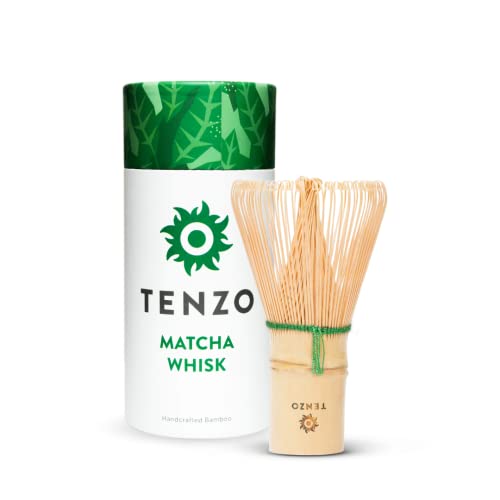
Skip Cheap Whiskers: Get a Real Chasen

Wondering Which Tea Infuser Is Best? Try This Basket
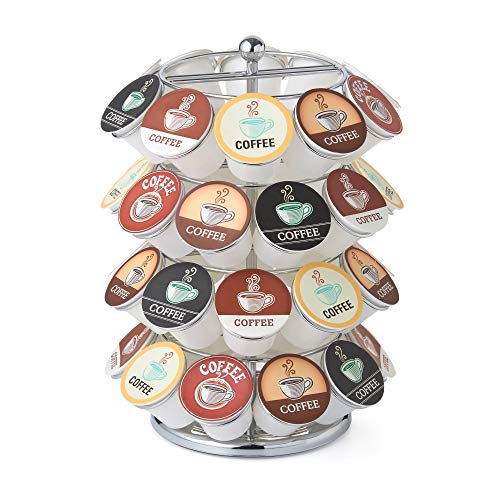
Don’t Buy a Coffee Pod Organizer Until You Read This
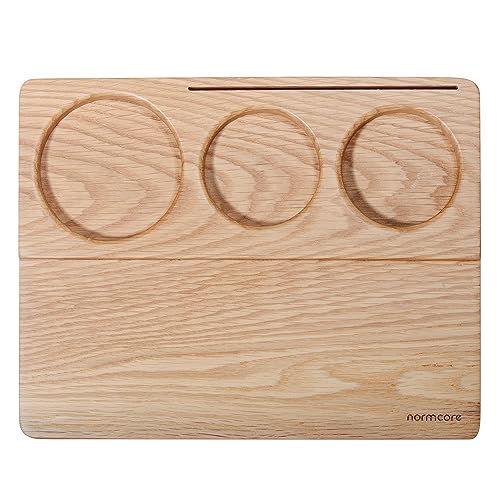
Tamp Like a Pro: Expert Chosen Tamper Mats

Coffee Scales for Every Brew, Tested for Daily Use