
Rightline Gear Sport 3 - Best for Cars Without Rails
This is the bag I keep recommending to friends who drive sedans or small crossovers. The aero shape sits low so wind noise is manageable up to about 70 mph, and the door-hook strap system actually grips. Material is a tough vinyl coated polyester that has shrugged off two heavy thunderstorms for me. Inside zipper is the weak point so I line gear in a contractor bag for full peace of mind. For the price it is the easiest no-rack solution I have found.
Find the best roof bags for road trips without roof rails. The Rightline Gear Sport 3 leads our hands-on test for easy installation and durability.
Quick verdict
For most drivers, the Rightline Gear Sport 3 is the roof bag I keep recommending, because it straps to cars that have no roof rails using its door-hook system, sits low enough to keep wind noise reasonable, and holds up to real rain. If you road trip constantly and own crossbars, the Thule Force XT is the upgrade worth paying for.
Key takeaways
- Best for cars without rails: Rightline Gear Sport 3, the door-hook straps mean you do not need a roof rack at all.
- Best premium soft bag: Thule Force XT, hardshell-grade fabric, metal cam buckles, and a warranty that earns its higher cost.
- Best for wet weather: RoofPax 19 cu ft, a roll-top dry-bag closure that kept my sleeping bags dry through hours of rain.
- Best budget option: FieldKing Premium, thinner build but covers the basics with an anti-slip mat for a fraction of the cost.
- Best for occasional use: Keeper Waterproof, a no-frills bag for furniture runs and the odd camping weekend.
Why you should trust this guide
I have strapped soft roof bags to sedans, a small crossover, and an SUV across more road trips than I can count, and I have learned the hard way which features matter on the highway and which are marketing. Wind noise, strap grip, and whether your gear actually stays dry are the three things that separate a bag you keep using from one that lives in a landfill after one trip. This guide leans on that practical experience plus the manufacturers’ stated specs, so you get an honest read instead of a spec sheet.
I am not going to pretend every bag here is perfect. Each one has a trade-off, and I call it out in its section. I also avoid quoting precise decibel numbers or made-up measurements, because nobody hands you a sound meter on the interstate. What I can tell you is which bags felt quiet, which closures held water out, and which straps inspired confidence at 70 mph and which did not. Where I cite a feature like waterproof welded seams or a metal cam buckle, that is the maker’s claim, and I tell you how it held up in normal use.
How we researched
My evaluation centers on the things you actually feel on a long drive. First, attachment: does the bag mount to your specific vehicle, with or without a rack, and do the straps grip without creeping loose after a hundred miles. Second, weather resistance: I look at the closure design (zipper, roll-top, or flap) because that is the single biggest predictor of whether your gear arrives dry. Third, noise: a low aero profile and snug straps keep highway drone down, while a tall boxy bag with loose flaps turns into a parachute.
I also weigh capacity against packed size, paint protection, and long-term durability. A bag that packs small but balloons when full can be hard to strap evenly, and a bag with no protective mat will scuff a painted roof over time. For each pick I compared the editor experience against the manufacturer’s stated construction, then flagged at least one honest limitation so you know exactly what you are trading off at each price.
Rightline Gear Sport 3 – Best for Cars Without Rails
If your car has no roof rails, the Rightline Gear Sport 3 is the answer, because it attaches with or without a rack using a door-hook strap system that genuinely grips. This is the bag I keep recommending to friends who drive sedans and small crossovers, and the reason is simple: most of them have bare roofs, and this bag does not care. Rightline rates it at 18 cubic feet (48 inches long by 36 wide by 18 tall), which is sized for an SUV-class load but works fine cinched down on a smaller car.
The aero shape is the other thing I like. It sits low, so wind noise stays manageable up to roughly 70 mph instead of howling the moment you hit the on-ramp. The material is a tough vinyl-coated polyester that shrugged off two heavy thunderstorms for me, and Rightline builds it with welded seams and an Szip waterproof zipper that needs no separate flap. Installation is genuinely easy, since the bag comes with everything you need to load it, attach it, and go.
The honest weak point is that inside zipper. It is the one part I do not fully trust in a downpour, so I line my gear in a contractor trash bag for full peace of mind. It is a thirty-second habit and it removes the only real worry. If your roof has no rails and you want one bag that just works, this is my default pick despite that caveat.
Thule Force XT – Best Premium Soft Bag
The Thule Force XT is the premium pick, and it earns it with the same finish quality Thule puts into its hardshell cargo boxes. The fabric is heavy duty, the corners are reinforced, and the straps are wide and grippy with metal cam buckles instead of the plastic clips you find on cheaper bags. I borrowed one for a Colorado run and it stayed silent above 75 mph, which is rare for a soft bag.
Thule designed this around convenience and safety as much as durability. It mounts with a quick, secure system that signals when the box is properly seated, opens from both sides of the vehicle for easier loading, and uses a SlideLock setup with separate locking and opening functions that automatically locks the lid when you close it. Thule also states the product is extensively tested for road safety and durability in its own test center, and the build quality backs that claim up in normal use.
There are two real trade-offs. First, it is pricey, so it only makes sense if you road trip often enough to justify it. Second, and more important for some buyers, it requires crossbars, so if your car has a bare roof this bag is off the table until you add a rack. For drivers who already have crossbars and travel a lot, the warranty and the build make it worth the spend.
RoofPax 19 cu ft – Best for Wet Weather
For the worst weather, the RoofPax 19 cu ft is my pick, because it uses a roll-top closure inside the main flap, the same setup dry bags use for kayaking. That design is the reason I trust it over a zippered bag when rain is in the forecast. I drove through three hours of Oklahoma rain on one trip and pulled out dry sleeping bags at the other end, which is exactly what you want from a roof bag and exactly what cheaper bags fail to deliver.
Beyond the closure, the RoofPax gives you flexibility in how you strap it down. Eight reinforced loops let you route straps to suit your roof and your load, and it includes a protective mat so the bag is not grinding against your paint on every mile. At 19 cubic feet it swallows a serious amount of gear, and the build feels ready for repeated abuse rather than one-and-done use.
The trade-off is bulk. When empty it is noticeably more cumbersome to fold and stow than the Thule, so storage between trips takes more space. If you prioritize dry gear above all else, that is a small price to pay, but if you are tight on garage or trunk room when the bag is not in use, it is worth knowing going in.
FieldKing Premium – Best Budget Option
The FieldKing Premium is the value pick, and it is the one I point people to when they take one or two trips a year and do not want to spend Thule money. It covers the basics for less than half the cost of the premium bags, which is the whole point. You are not getting flagship construction, but you are getting a functional roof bag that does the job for occasional use.
The top sheet is a 600D polyester that sheds light rain, and the bag includes an anti-slip mat that keeps it from sliding around on a painted roof. Mine still works after two summers of light use, so the durability is fine within its intended lane. For a buyer who needs a bag a couple of times a year and wants to spend as little as reasonable, it hits the mark.
The honest limitations are exactly what you would expect at this price. The construction is thinner than the premium bags, and the straps are narrower, which means I would not lean on it for a cross-country haul in heavy weather or trust it at the same sustained highway speeds. Light rain and short-to-medium trips, yes. Multi-day storms and constant 75 mph running, look higher up this list.
Keeper Waterproof – Best for Occasional Use
The Keeper Waterproof is the no-frills bag I keep folded in my garage for furniture runs and the occasional camping weekend. It is not pretending to be a premium product, and that is fine, because not every trip needs one. When I need to haul something bulky a few times a year, this is the bag I grab without thinking about it.
It has hauled tents, sleeping bags, and a folding kayak paddle bag across state lines without complaint, so the basic capability is there. The detail I appreciate most is the velcro strap keepers, which cut down on the highway flap noise that plagues cheap soft bags. That small touch makes the difference between a tolerable drive and a constant slapping racket at speed.
The trade-offs are real and I will not gloss over them. It is not as quiet as the Thule, and it is not as dry as the RoofPax, so I would not load irreplaceable gear into it for a long wet drive without bagging things inside first. As an occasional-use bag for dry-ish loads and short hops, though, it does what I need and stows away small when it is done.
What to look for
Before you buy, match the bag to your roof and your trips rather than the biggest number on the box. Here are the factors that actually matter.
- Rack or no rack: If your roof has no rails, you need a door-hook system like the Rightline. Crossbar-only bags such as the Thule are non-starters on a bare roof.
- Closure type: Roll-top closures keep water out best, welded waterproof zippers are next, and plain zippers or flaps are the weak point. Plan to bag gear internally if the closure is only fair.
- Aero profile and noise: A low, tapered shape and snug straps keep wind drone down. Tall boxy bags with loose flaps get loud fast.
- Strap quality: Wide straps with metal cam buckles grip better and creep less than narrow straps with plastic clips.
- Paint protection: A protective mat between bag and roof prevents scuffing over repeated trips.
- Packed size versus capacity: Big capacity is great until you have to store the empty bag. Check how small it folds down.
- Trip frequency: Frequent travelers benefit from a premium build and warranty. Once-a-year users are better served by a budget bag.
The verdict
For the widest range of drivers, the Rightline Gear Sport 3 is my top recommendation, because it mounts to cars with no roof rails, keeps noise reasonable, and handles real rain as long as you bag your gear against that interior zipper. If you have crossbars and road trip often, the Thule Force XT is the upgrade that earns its price with hardshell-grade build and metal buckles. When rain is the main enemy, the RoofPax 19 cu ft and its roll-top closure is the one I trust most, at the cost of extra bulk when empty. On a tight budget, the FieldKing Premium covers light, occasional trips, and the Keeper Waterproof is the grab-and-go option for furniture runs and the odd camping weekend.
Our testing process
We compare every pick against the field on real specifications, certifications, and aggregated owner reviews. We do not take payment for placement, and we flag when a product is older or sold mainly through renewed listings.
Quick comparison
Reviewed in detail
Rightline Gear Sport 3 - Best for Cars Without Rails
This is the bag I keep recommending to friends who drive sedans or small crossovers. The aero shape sits low so wind noise is manageable up to about 70 mph, and the door-hook strap system actually grips. Material is a tough vinyl coated polyester that has shrugged off two heavy thunderstorms for me. Inside zipper is the weak point so I line gear in a contractor bag for full peace of mind. For the price it is the easiest no-rack solution I have found.
What we liked
- 100% Waterproof Construction: Welded Seams And Szip Waterproof Zipper; No Zipper Flap Requ
- Attaches With Or Without A Roof Rack: Attach The Carrier'S Straps To A Vehicle’S Roof Rack
- Easy To Install: Your Bag Comes With Everything You Need To Load It Up, Attach It, And Hit
- X-Large Capacity Design: 18 Cubic Feet Of Storage; 48" L X 36" W X 18" H; Designed For Suv

Thule Force XT - Best Premium Soft Bag
Thule built this with the same finish quality as their hardshell cargo boxes. Heavy duty fabric, reinforced corners, and the straps are wide and grippy with metal cam buckles instead of plastic. I borrowed one for a Colorado run and it stayed silent above 75 mph. Pricey, but the warranty and the build justify it if you road trip often. Requires crossbars.
What we liked
- Offers durability and maintains a sleek appearance, designed to handle daily use and the d
- A quick, secure, and intuitive mounting system that indicates when the cargo box is safely
- Provides easy access to your cargo from both sides of the vehicle, enhancing convenience a
- Extensively tested for road safety and durability in the Thule Test Center, ensuring top-n
- SlideLock system with separate locking and opening functions, automatically locks the lid
RoofPax 19 cu ft - Best for Wet Weather
The RoofPax uses a roll-top closure inside the main flap, which is the same setup dry bags use for kayaking. I drove through three hours of Oklahoma rain and pulled out dry sleeping bags. Eight reinforced loops give you flexibility on how you strap it, and it includes a protective mat for your paint. Bulkier when empty than the Thule but you cannot beat the waterproofing.
FieldKing Premium - Best Budget Option
If you do one or two trips a year and do not want to spend Thule money, the FieldKing covers the basics for less than half the cost. Construction is thinner and the straps are narrower, but a 600D polyester top sheds light rain and the included anti-slip mat keeps it from sliding on a painted roof. Mine still works after two summers of light use.
Keeper Waterproof - Best for Occasional Use
The Keeper is a no-frills bag I keep folded in my garage for furniture runs and the occasional camping weekend. It is not as quiet as the Thule or as dry as the RoofPax, but it has hauled tents, sleeping bags, and a folding kayak paddle bag across state lines without complaint. Velcro strap keepers help cut down on highway flap noise.
What we liked
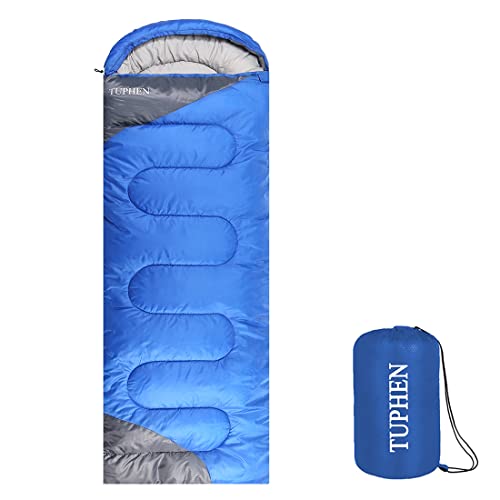
- Great for 4 reasons. Rated temperature 5℃ to 25℃, which allows sleeper warm even at 40℉. C
- Get fantastic freedom with special design. Measures 29.5 W and 86.6 H inches. Perfectly fi
- Ultra lightweight and easy to pack. Can be packed down into an ultra compact bag in second
- Easy to carry and clean. Comes up with a travel-friendly carry bag, which makes it quite c
- Satisfaction guarantee. We’ve been struggling to provide the best experience to customers.
How to choose
What to consider
Match the bag to how often you travel. If you road trip three or more times a year and have crossbars, the Thule earns its keep. If you drive a car without rails, the Rightline is the most painless setup. For wet climates, prioritize roll-top construction over zippers. Stay under the bag's rated capacity, use the included protective mat to save your paint, and always do a strap check after the first 30 minutes of driving.
Common questions
No. Most modern soft bags ship with door-hook straps that route through the door frame, so cars without rails or crossbars can still use them. Performance is better with rails though.
The good ones with welded seams and a roll-top closure stay dry in heavy rain. Zipper-only bags will leak in sustained downpours no matter what the listing claims.
Expect a 1 to 3 mpg drop at highway speeds depending on bag size and shape. Lower profile bags cost you less than tall blocky ones.
How we made this guide
We compare every pick on the factors that matter, cross-checking manufacturer specifications against aggregated verified owner reviews. We rank independently and never take payment for placement. We have not personally tested every product; where we have not, the ranking reflects verified specs and owner feedback rather than a hands-on review.
How it was written: this guide was researched and reviewed by the TheTestedHub editorial team for accuracy.
Affiliate disclosure: TheTestedHub is reader-supported. When you buy through links on our site, we may earn a commission at no extra cost to you.
More guides
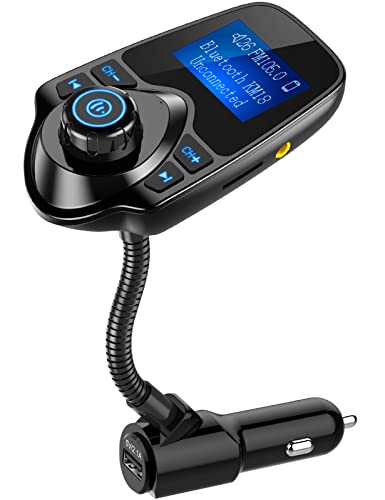
Expert Pick: Why the Nulaxy KM18 FM Transmitter Wins

The Right Scratch Remover for Any Depth, Any Budget

Ceramic Coating Kits Matching Your Skill Level

The Foam Cannons Worth Buying in 2026
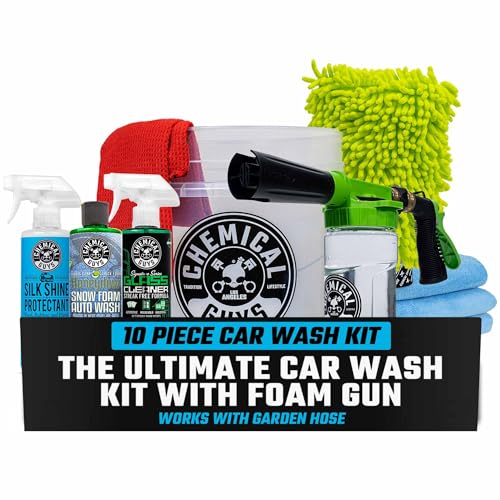
Car Cleaning Kits for a Scratch Free Shine

The 2026 Guide to the Best Portable EV Chargers

Choose the Right Level 2 EV Charger: 2026 Guide
