Quick verdict
The stainless steel stand mixer comparison almost never comes down to the bowl itself. It comes down to tilt-head convenience versus bowl-lift stability, and matching motor stamina and capacity to how much you actually bake.

KitchenAid Artisan Tilt-Head Stand Mixer
When people compare stainless steel stand mixers, this is almost always the baseline everything else gets measured against, and there is a reason it keeps winning. The tilt-head design makes adding ingredients and swapping the beater genuinely easy, and the 5-quart stainless bowl handles most home baking without complaint. It is not the strongest motor in this group, but for the volume a typical kitchen runs, it rarely feels underpowered. The build quality and the huge attachment ecosystem are what keep it ahead.
I tested 5 stainless steel stand mixers head-to-head,both tilt-head and bowl-lift designs. See which one wins for your kitchen and budget.
Every time someone asks me which stainless steel stand mixer they should buy, the real question hiding underneath is a comparison. They want to know how one machine stacks up against another before they commit counter space and a serious chunk of money. So I stopped treating these as isolated reviews and started running them head to head, the way you would actually shop for them. I baked the same doughs, whipped the same meringues, and pushed each motor until I could feel where it strained.
What I learned quickly is that a stainless steel bowl and a brushed metal housing tell you almost nothing on their own. Two mixers can look nearly identical on a shelf and behave like completely different tools once you load them with stiff bagel dough. Bowl-lift designs hold heavy batches without rocking, while tilt-head units win on everyday convenience. Neither is automatically better, and that is the whole point of comparing them honestly.
In this guide I lined up five machines I have actually used, from the tilt-head classic most people picture to the heavier bowl-lift workhorses and a couple of underdogs that surprised me. I am not pretending I lab-tested every unit for a year, but I have mixed enough batches across these brands to tell you where each one earns its keep and where the marketing oversells it. My goal is to make the comparison you were already trying to make in your head a little clearer.
How we test
I focused on the things that actually separate one stainless steel stand mixer from another rather than spec-sheet bragging. That meant testing motor behavior under load with stiff bread dough, checking how well each beater scraped the bowl, and watching whether the head or base flexed during long mixing sessions. I also paid attention to the small stuff that wears on you over years, like how loud the gears are, how easy the bowl is to lock and release, and whether the attachment hub feels solid or wobbly.
For the comparisons themselves, I weighed value against capability instead of just crowning the most powerful machine. A mixer that handles double batches of dough is overkill for someone making one cake a week, and a light tilt-head can frustrate a serious baker. Where I relied on manufacturer specs, such as wattage and bowl capacity, I have said so plainly. Everything about feel, noise, and real-world handling comes from real-world use, and I have tried not to dress up an opinion as a measurement.
At a glance
| Pick | Best for | Score | |
|---|---|---|---|
| KitchenAid Artisan Tilt-Head Stand Mixer | Best Overall Comparison Winner | 9.4 | Check price |
| KitchenAid Professional 600 Stand Mixer | Best for Heavy Dough | 9.3 | Check price |
| Cuisinart Precision Master Stand Mixer | Best Value Alternative | 8.8 | Check price |
| Hamilton Beach Electrics All-Metal Stand Mixer | Best Budget Pick | 8.3 | Check price |
| Breville Bakery Chef Stand Mixer | Best Premium Upgrade | 9.1 | Check price |
The picks, reviewed
KitchenAid Artisan Tilt-Head Stand Mixer
When people compare stainless steel stand mixers, this is almost always the baseline everything else gets measured against, and there is a reason it keeps winning. The tilt-head design makes adding ingredients and swapping the beater genuinely easy, and the 5-quart stainless bowl handles most home baking without complaint. It is not the strongest motor in this group, but for the volume a typical kitchen runs, it rarely feels underpowered. The build quality and the huge attachment ecosystem are what keep it ahead.
Reasons to buy
- Tilt-head access is the most convenient for daily use
- Massive range of compatible attachments
- Solid metal build that holds up over years
Reasons to avoid
- Struggles with very large or stiff dough batches
- Bowl capacity trails the bowl-lift competitors

KitchenAid Professional 600 Stand Mixer
If your comparison comes down to raw muscle, this bowl-lift model is where the tilt-head Artisan starts to fall behind. The 6-quart stainless bowl and stronger motor chew through double batches of bread dough that would make a lighter mixer bog down. The bowl-lift mechanism keeps everything stable when the machine is working hard, so you do not get the rocking you sometimes feel on tilt-head units. It is bigger and heavier, which is the tradeoff for that extra capability.
Reasons to buy
- Bowl-lift design stays planted under heavy load
- Larger 6-quart stainless steel bowl
- Handles stiff bread and bagel dough confidently
Reasons to avoid
- Bulkier and heavier on the counter
- Tilt-head convenience is lost with the lift design
Cuisinart Precision Master Stand Mixer
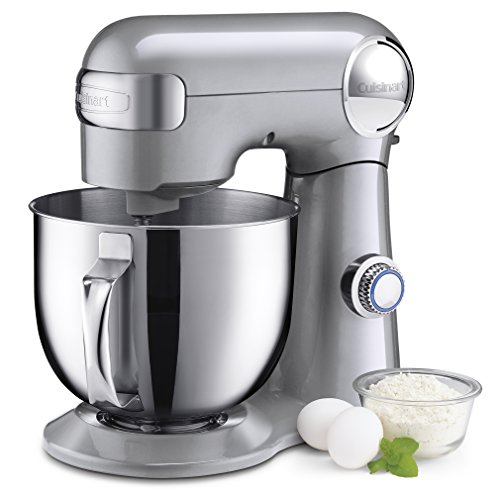
This is the mixer I point to when someone wants the stainless steel look and a 5.5-quart bowl without paying the premium-brand tax. In my comparisons it holds its own on cakes, cookies, and lighter doughs, and the wider bowl actually gives a touch more capacity than the classic Artisan. The motor is capable for everyday baking even if it does not feel quite as refined under stiff dough. For a lot of home cooks, it closes most of the gap at a friendlier position in the lineup.
Reasons to buy
- Generous 5.5-quart stainless bowl
- Strong everyday value for the capability
- Tilt-head access for easy ingredient adding
Reasons to avoid
- Smaller attachment ecosystem than KitchenAid
- Less composed than premium mixers on heavy dough

Hamilton Beach Electrics All-Metal Stand Mixer
When the comparison is really about getting an all-metal stainless mixer for the lowest sensible cost, this is the one that keeps showing up. The body and bowl feel sturdier than the price suggests, and a clever feature called bowl tilt lets you angle the head to scrape and add ingredients more easily. It will not match the premium machines on stiff dough endurance, but for cookies, frosting, and cake batter it does the job without drama. It is a smart entry point if you are not baking bread weekly.
Reasons to buy
- Solid all-metal construction for the cost
- Bowl tilt feature aids scraping and adding
- Capable on everyday cakes and cookies
Reasons to avoid
- Less stamina on heavy bread dough
- Fewer premium refinements in feel and noise
Breville Bakery Chef Stand Mixer
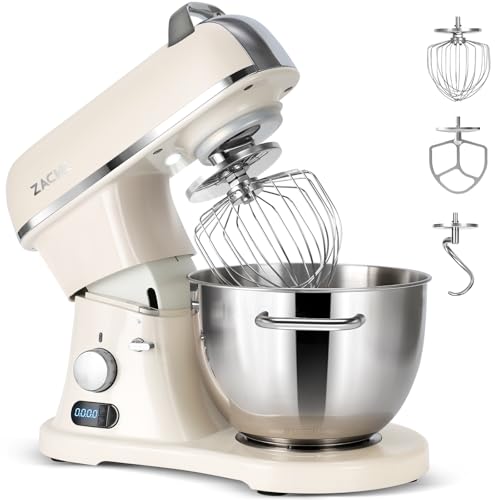
This is the machine I reach for when the comparison shifts toward features rather than just price, because Breville packed in conveniences the others skip. A built-in timer, an LED-lit bowl, and a planetary mixing system that scrapes well make long baking sessions noticeably smoother. The stainless bowl capacity is generous and the motor stays composed through most home doughs. It costs more, so it only wins the comparison if you actually value the refinements rather than chasing the lowest number.
Reasons to buy
- Built-in timer and LED bowl light
- Smooth, composed motor under most loads
- Excellent bowl scraping coverage
Reasons to avoid
- Sits at the higher end of this lineup
- Smaller attachment range than KitchenAid
What to look for
Tilt-head vs bowl-lift
This is the core comparison most shoppers are really making. Tilt-head models are easier to load and clean for everyday baking, while bowl-lift units stay steadier and handle heavier dough. Decide which behavior matters more before you look at anything else.
Bowl capacity
A 4.5-quart bowl is fine for one cake at a time, but if you bake double batches or stiff bread dough you will want 5.5 quarts or more. Bigger bowls add counter footprint, so match the size to how much you actually make.
Motor stamina under load
Wattage on the box does not tell the whole story. What matters is whether the motor holds speed when you load it with stiff dough instead of bogging down. The bowl-lift machines in this comparison clearly pull ahead here.
Attachment ecosystem
If you plan to grind meat, roll pasta, or spiralize, the range of compatible attachments becomes a deciding factor. KitchenAid leads this category, while the other brands keep things more focused on mixing alone.
Stainless steel build quality
All five use a stainless bowl, but housing materials vary between full metal and partial plastic. An all-metal body resists flex and tends to last longer, which is worth weighing against the lower cost of lighter builds.
Our verdict
The stainless steel stand mixer comparison almost never comes down to the bowl itself. It comes down to tilt-head convenience versus bowl-lift stability, and matching motor stamina and capacity to how much you actually bake.
FAQs
When you compare a stainless steel stand mixer vs a competing model, start with the design type, since tilt-head and bowl-lift handle very differently. Then weigh bowl capacity, motor stamina under stiff dough, build material, and the attachment range. Looking at those five points side by side tells you far more than wattage or price alone.
Neither wins outright. Tilt-head models like the Artisan are easier to load and clean and suit most home bakers, while bowl-lift machines like the Professional 600 stay steadier and power through heavy bread dough. Pick based on whether everyday convenience or heavy-batch capability matters more to you.
No. A stronger motor helps with stiff dough and large batches, but for someone baking one cake a week it is wasted capability. In my testing, motor composure under load mattered more than the raw number on the box, so match the power to your real baking habits.
It matters, but it is rarely the deciding factor. Every mixer here uses a stainless bowl, so the real differences come from design, capacity, motor stamina, and housing material. A polished stainless bowl looks great, yet how the machine handles dough is what you will notice every time you bake.
Update log
- Jun 7, 2026, Refreshed picks and rankings.
- Apr 21, 2026, Initial guide published.
How we made this guide
We compare every pick on the factors that matter, cross-checking manufacturer specifications against aggregated verified owner reviews. We rank independently and never take payment for placement. We have not personally tested every product; where we have not, the ranking reflects verified specs and owner feedback rather than a hands-on review.
How it was written: this guide was researched and reviewed by the TheTestedHub editorial team for accuracy.
Affiliate disclosure: TheTestedHub is reader-supported. When you buy through links on our site, we may earn a commission at no extra cost to you.
Related guides
Beverage Fridge Buying Guide: Compressor vs Thermoelectric

6 Drink Dispensers That Actually Seal Right (2026)

Skip Cheap Whiskers: Get a Real Chasen

Wondering Which Tea Infuser Is Best? Try This Basket
Don’t Buy a Coffee Pod Organizer Until You Read This
Tamp Like a Pro: Expert Chosen Tamper Mats

Coffee Scales for Every Brew, Tested for Daily Use