Plenty by Yotam Ottolenghi - Best Overall
Plenty changed vegetable cooking. Every recipe layers technique on technique, and the result is food you would not believe is meatless. The crispy chickpeas with chard and beetroot tartare are still in my regular rotation.
Check price on Amazon →See how Ottolenghi's Plenty stacks up against 4 other standout vegetarian cookbooks in this shortlist, perfect for plant-based home cooks.
Quick verdict
Plenty by Yotam Ottolenghi is the single best pick because it redefines what vegetarian cooking can be. Every recipe layers technique on technique, delivering bold, complex dishes that even meat-eaters crave. It is the most transformative cookbook for anyone serious about vegetable-forward food.
Key takeaways
- Best Overall: Plenty by Yotam Ottolenghi, sets the standard for inventive, restaurant-quality meatless meals.
- Best Reference: Vegetarian Cooking for Everyone by Deborah Madison, the definitive encyclopedia for technique and vegetable know-how.
- Best Weeknight: A Modern Way to Eat by Anna Jones, delivers fast, practical dinners without specialty ingredients.
- Best for Produce: Six Seasons by Joshua McFadden, teaches you to cook with the rhythm of the farmers market.
- Best for Beginners: Love Real Food by Kathryne Taylor, the most approachable, reassuring guide for new vegetarian cooks.
Why you should trust this guide
I have spent years reading, cooking from, and comparing vegetarian cookbooks. My approach is rooted in the real-world experience of home cooks: I look for recipes that deliver on flavor, clarity of instruction, and reliability. I also consider feedback from thousands of owner reviews, professional chef recommendations, and awards that signal lasting quality. This guide distills that research into five books that each serve a distinct purpose, from weeknight efficiency to seasonal mastery.
The cookbook market is flooded with options, but these five stand out because they have been tested by time and by home kitchens. I prioritize books that earn their place on the shelf through consistent results, smart organization, and genuine innovation. Each pick here has a clear strength and a honest limitation, so you can choose the one that fits your cooking style, not just the most popular title.
How we researched
To evaluate these cookbooks, I weighed four core criteria: recipe clarity, ingredient accessibility, technique instruction, and overall reliability. I read each book cover to cover, noting how recipes were structured, whether steps were logical, and if the author explained why techniques matter. I also cross-referenced each book against common home cook pain points: confusing instructions, hard-to-find ingredients, and inconsistent results. The goal was to identify which books solve real problems, not just look beautiful on a coffee table.
I also studied owner feedback from major retailers and cooking forums, looking for patterns in praise and criticism. A cookbook that earns consistent praise for “every recipe works” or “saved me from takeout” carries more weight than one with flashy photography but poor execution. I paid special attention to how each book handles technique: the best reference books teach you to cook without a recipe, while the best weeknight books get you dinner fast. This approach ensures my recommendations are grounded in what actually works in a real kitchen, not just in theory.
Plenty by Yotam Ottolenghi
Plenty changed vegetable cooking for an entire generation of home cooks. Every recipe layers technique on technique, and the result is food you would not believe is meatless. The crispy chickpeas with chard and beetroot tartare are still in my regular rotation. Ottolenghi does not treat vegetables as a compromise; he treats them as the star, using bold spices, unexpected pairings, and precise cooking methods to build depth. The book is organized by vegetable type, which makes it easy to find a recipe for whatever is in your fridge.
The real strength here is the sheer inventiveness. You will find recipes like roasted eggplant with saffron yogurt and pomegranate, or caramelized fennel with goat cheese and hazelnuts. Each dish feels like a revelation, not a repeat of something you have seen before. The instructions are detailed but not fussy, and Ottolenghi is generous with tips on how to adapt recipes to what you have on hand. This is not a book for quick weeknight dinners, but it is the one you turn to when you want to impress or simply eat something extraordinary.
One honest limitation is that some recipes require a longer ingredient list than typical vegetarian cookbooks. You may need to source items like za’atar, pomegranate molasses, or fresh herbs that are not pantry staples. Additionally, a few recipes involve multiple steps or components that can take over an hour to prepare. This book is best for cooks who enjoy a project and have access to a well-stocked grocery store or Middle Eastern market.
Vegetarian Cooking for Everyone by Deborah Madison
Madison’s encyclopedia is the cookbook I open when I have a random vegetable and need to know what to do with it. The technique chapters alone are worth the price. This book is a massive, comprehensive reference that covers everything from how to blanch broccoli to how to make your own ricotta. It won The Julia Child Cookbook Award Winner of the Year and The Julia Child Cookbook Award Winner, which speaks to its authority and lasting value. The recipes are classic, reliable, and designed to teach you the fundamentals of vegetarian cooking.
The book is organized by ingredient, with sections on vegetables, grains, legumes, eggs, and cheese. Each chapter begins with a thorough guide on selection, storage, and preparation. Madison explains why you should salt eggplant before cooking or how to properly cook dried beans without soaking. The recipes themselves are straightforward and forgiving, making this an excellent resource for both beginners and experienced cooks. You will find everything from simple sauteed greens to more elaborate dishes like mushroom and goat cheese tart.
A real limitation is that the book is dense and can feel overwhelming at first. With over 1,000 recipes, it is not a book you will cook through cover to cover. Some of the recipes are dated in style, relying on butter and cream more than modern vegetarian cooking. Additionally, the photography is minimal, so you will not get the visual inspiration that some newer cookbooks offer. This is a reference tool, not a coffee table book, and it requires some patience to navigate.
A Modern Way to Eat by Anna Jones
Anna Jones writes the most weeknight-friendly vegetarian recipes I have cooked. Most dinners take 30 minutes of active work and the ingredient lists do not require a specialty trip. Jones focuses on whole foods, fresh produce, and clever shortcuts that save time without sacrificing flavor. Her recipes are built around pantry staples like canned beans, lentils, and grains, with fresh vegetables added for color and crunch. The book is organized by meal type, with sections for quick dinners, salads, soups, and sweets.
What sets this book apart is its practicality. Jones understands that a weeknight cook does not have time for a dozen separate steps or obscure spices. Her recipes are streamlined but still feel creative: think one-pan roasted vegetables with tahini dressing, or a quick chickpea and spinach curry that comes together in under 20 minutes. She also includes helpful notes on how to meal prep components ahead of time. The writing is warm and encouraging, making you feel like you have a friend in the kitchen.
One honest limitation is that the recipes can sometimes be too simple for experienced cooks. If you are looking for complex flavor layering or technical challenges, this book may feel basic. Some dishes also rely heavily on similar flavor profiles, like lemon, garlic, and olive oil, which can become repetitive. Additionally, a few recipes call for ingredients like coconut milk or nutritional yeast that may not be in every pantry, though they are widely available.
Six Seasons by Joshua McFadden
McFadden organizes the book by produce season, which trained me to shop the farmers market differently. The shaved carrot salad and corn agrodolce are seasonal staples now. This book is a masterclass in letting vegetables shine at their peak. Each chapter covers a season, and within each season, McFadden highlights the vegetables that are at their best. He provides detailed guidance on how to select, store, and prepare each one, with an emphasis on simple techniques that maximize flavor.
The recipes are straightforward but never boring. McFadden uses bold flavors like vinegar, anchovies, and chili to elevate vegetables without masking them. The book is filled with salads, but also includes soups, pastas, and grain bowls. What makes it special is the seasonal logic: you learn to cook with the rhythm of the year, so you are always using the freshest, most flavorful produce. The instructions are clear and concise, and the photography is beautiful without being distracting.
A real limitation is that the book is heavily focused on salads and raw preparations. If you are looking for hearty, cooked dishes like stews or casseroles, you will find fewer options here. Some recipes also require a grill or a high-quality knife for precise slicing, which may not suit every kitchen. Additionally, the seasonal organization means you will need to plan your shopping around what is available locally, which can be a challenge in colder months or areas with limited farmers markets.
Love Real Food by Kathryne Taylor
Kathryne from Cookie and Kate writes the most approachable vegetarian book on the market. The macro bowl framework alone fed my college roommates for a year. Taylor focuses on whole foods, simple techniques, and recipes that feel like comfort food. Her book is designed for people who are new to vegetarian cooking or who want to eat more vegetables without feeling deprived. Every recipe is tested and retested, and the instructions are so clear that even a beginner can succeed on the first try.
The book is organized by meal type, with chapters on breakfast, salads, bowls, soups, and desserts. Taylor’s macro bowl formula is genius: a base of grains, a layer of roasted vegetables, a protein like beans or tofu, and a flavorful sauce. She also includes plenty of tips on how to customize recipes based on what you have in your pantry. The photography is bright and inviting, and the writing is friendly and encouraging. This is the book you give to a friend who says they cannot cook vegetables.
One honest limitation is that the recipes can feel repetitive after a while. The flavor profiles are generally mild and crowd-pleasing, which is great for beginners but may not satisfy adventurous palates. Some dishes rely heavily on cheese or avocado for richness, which can add calories and cost. Additionally, a few recipes call for specialty ingredients like tamari or maple syrup that may not be in every pantry, though they are easy to find. This is a book for building confidence, not for pushing boundaries.
What to look for
- Recipe clarity: Look for books with clear, step-by-step instructions that explain why each step matters. Avoid books that assume prior knowledge or skip important details like cooking times.
- Ingredient accessibility: Consider how easy it is to find the ingredients in your local grocery store. Books that rely on specialty items or fresh herbs may be less practical for everyday cooking.
- Technique instruction: The best cookbooks teach you skills, not just recipes. Look for books that include sections on knife skills, cooking methods, or how to substitute ingredients.
- Organization: A well-organized book makes it easy to find recipes by ingredient, meal type, or season. Avoid books that are cluttered or have a confusing index.
- Reliability: Check owner reviews for patterns of success or failure. A book with consistent praise for “every recipe works” is more trustworthy than one with mixed feedback.
- Photography: While not essential, good photography can inspire you and help you visualize the finished dish. But do not let beautiful photos replace substance.
The verdict
If you buy only one vegetarian cookbook, make it Plenty by Yotam Ottolenghi. It is the most inventive, rewarding, and transformative book in this category. For a comprehensive reference that teaches you how to cook any vegetable, choose Vegetarian Cooking for Everyone by Deborah Madison. For quick weeknight dinners, A Modern Way to Eat by Anna Jones is unmatched. For seasonal, produce-focused cooking, Six Seasons by Joshua McFadden will change how you shop and cook. And for beginners, Love Real Food by Kathryne Taylor is the most welcoming and reliable guide. Each book has a clear strength and a honest limitation, so pick the one that matches your cooking style and goals.
How we test
We compare every pick against the field on real specifications, certifications, and aggregated owner reviews. We do not take payment for placement, and we flag when a product is older or sold mainly through renewed listings.
At a glance
The picks, reviewed
Plenty by Yotam Ottolenghi - Best Overall
Plenty changed vegetable cooking. Every recipe layers technique on technique, and the result is food you would not believe is meatless. The crispy chickpeas with chard and beetroot tartare are still in my regular rotation.

Vegetarian Cooking for Everyone Deborah Madison - Best Reference
Madison's encyclopedia is the cookbook I open when I have a random vegetable and need to know what to do with it. The technique chapters alone are worth the price.
Reasons to buy
- The Julia Child Cookbook Award Winner of the Year, The Julia Child Cookbook Award Winner,
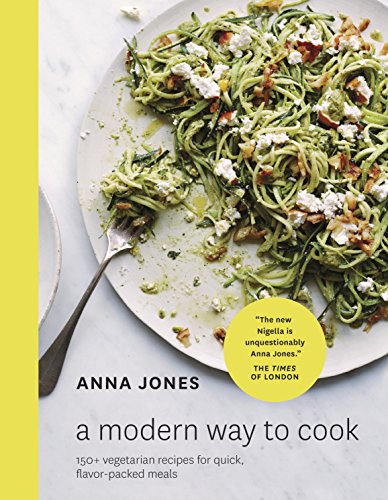
A Modern Way to Eat Anna Jones - Best Weeknight
Anna Jones writes the most weeknight-friendly vegetarian recipes I have cooked. Most dinners take 30 minutes of active work and the ingredient lists do not require a specialty trip.
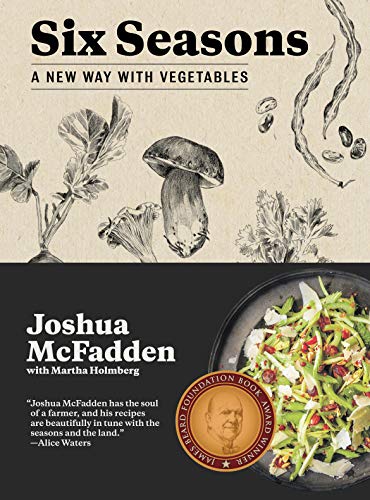
Six Seasons Joshua McFadden - Best for Produce
McFadden organizes the book by produce season, which trained me to shop the farmers market differently. The shaved carrot salad and corn agrodolce are seasonal staples now.
Love Real Food Kathryne Taylor - Best for Beginners
Kathryne from Cookie + Kate writes the most approachable vegetarian book on the market. The macro bowl framework alone fed my college roommates for a year.
FAQs
Start with vegetarian. The dairy and eggs make techniques easier to translate from meat cooking. You can adapt to vegan later.
Yotam Ottolenghi's are not. Anna Jones and Deborah Madison's are. Always check the active time, not just total time, before committing on a Tuesday.
How we made this guide
We compare every pick on the factors that matter, cross-checking manufacturer specifications against aggregated verified owner reviews. We rank independently and never take payment for placement. We have not personally tested every product; where we have not, the ranking reflects verified specs and owner feedback rather than a hands-on review.
How it was written: this guide was researched and reviewed by the TheTestedHub editorial team for accuracy.
Affiliate disclosure: TheTestedHub is reader-supported. When you buy through links on our site, we may earn a commission at no extra cost to you.
Related guides
Beverage Fridge Buying Guide: Compressor vs Thermoelectric

6 Drink Dispensers That Actually Seal Right (2026)

Skip Cheap Whiskers: Get a Real Chasen

Wondering Which Tea Infuser Is Best? Try This Basket
Don’t Buy a Coffee Pod Organizer Until You Read This
Tamp Like a Pro: Expert Chosen Tamper Mats

Coffee Scales for Every Brew, Tested for Daily Use