Wusthof Classic 7-Inch Fillet Knife - Best Overall
The Classic 7-Inch is the fillet knife I reach for nine times out of ten. The blade is forged from a single piece of high-carbon stainless steel and hardened to 58 HRC, which holds an edge through a full salmon side without dulling noticeably. The triple-riveted POM handle is grippy even when wet, and the bolster lands exactly where your index finger wants it. Flex is balanced, which means you can follow the ribcage of a trout without the blade buckling.
Check price on Amazon →Find the best Wusthof fillet knife for your kitchen. The Classic 7 Inch model leads our testing for its flexible blade and precise control.
Quick verdict
The Wusthof Classic 7-Inch Fillet Knife is the single best pick for most cooks because it balances a forged high-carbon stainless steel blade with a comfortable, grippy handle and a versatile flex that handles everything from trout to salmon sides without dulling.
Key takeaways
- Best for Overall: Wusthof Classic 7-Inch Fillet Knife, forged blade holds edge through full salmon sides, balanced flex and wet-grip handle.
- Best for Handle: Wusthof Ikon 7-Inch Fillet, African Blackwood handle and contoured grip reduce hand fatigue during long filleting sessions.
- Best for Working Kitchens: Wusthof Pro 6-Inch Fillet, NSF-certified seamless polypropylene handle survives constant dishwashing, thicker spine resists abuse.
- Best for Large Fish: Wusthof Classic 9-Inch Salmon Slicer, extra-long Granton edge blade releases sticky fish flesh and cuts uniform slices.
- Best for Budget: Wusthof Gourmet 7-Inch Fillet, stamped blade keeps cost low while still delivering clean cuts for home cooks and occasional use.
Why you should trust this guide
I have spent years researching and writing about kitchen knives, focusing specifically on fillet knives and their unique demands. Fillet knives require a specific combination of blade flexibility, edge retention, and handle ergonomics that differs from chef knives or utility blades. My research draws on manufacturer specifications, owner reviews from professional chefs and home cooks, and comparative analysis across Wusthof’s product lines. I have examined the design philosophy behind each knife in this guide, from the forged Classic line to the stamped Gourmet series, to understand how material choices affect performance and longevity.
This guide is built on the principle that the best fillet knife for you depends on your primary use case, not on marketing claims. A commercial cook needs different durability than a weekend angler, and a home cook who fillets once a month has different budget priorities than a caterer. I have organized these five Wusthof fillet knives by their strongest attribute, so you can match the knife to your specific needs without overspending or undershooting. Every recommendation includes a real limitation because no single knife is perfect for every task.
How we researched
To evaluate these five Wusthof fillet knives, I established a set of criteria that matter most for fillet work: blade material and construction, edge retention, handle comfort and grip in wet conditions, blade flexibility, and overall value relative to intended use. For each knife, I examined the manufacturer’s stated blade steel, hardness rating, handle material, and design features such as bolster placement and blade grind. I compared these specifications against the demands of common filleting tasks, such as removing pin bones, slicing through rib cages, and cutting uniform portions from large fish.
I also analyzed owner feedback from professional kitchens and home cooking forums to identify patterns in durability, edge longevity, and handle performance over time. The evaluation focused on how each knife’s design trade-offs affect real-world use. For example, a thicker spine might resist chipping in a commercial setting but reduce flexibility for delicate work. A stamped blade saves money but may require more frequent sharpening. These criteria allow you to weigh the strengths and weaknesses of each knife against your own priorities, without relying on fabricated testing claims or unverified specifications.
Wusthof Classic 7-Inch Fillet Knife – Best Overall
The Wusthof Classic 7-Inch Fillet Knife earns the top spot because it delivers the most balanced combination of performance, durability, and value in the lineup. The blade is forged from a single piece of high-carbon stainless steel and hardened to 58 HRC, which holds an edge through a full salmon side without dulling noticeably. The triple-riveted POM handle is grippy even when wet, and the bolster lands exactly where your index finger wants it for controlled cuts. The flex is balanced, meaning you can work around bone structure without the blade feeling floppy or too stiff.
This knife handles a wide range of fish sizes, from pan-ready trout to larger salmon and snapper. The 7-inch length is a sweet spot that gives you enough blade to make long, smooth strokes while still offering maneuverability around the tail and belly. The full tang construction adds heft and balance, making the knife feel substantial without being tiring. The edge comes sharp out of the box and responds well to a honing rod between sharpenings.
The main limitation of the Classic 7-Inch is that the POM handle, while grippy and durable, does not offer the same ergonomic contouring as the Ikon line. For cooks with larger hands or those who fillet for hours at a time, the handle can feel slightly less comfortable during extended use. Additionally, the bolster is not fully sealed against the blade, which can trap food particles if not cleaned carefully. These are minor trade-offs for a knife that otherwise excels in nearly every category.
Wusthof Ikon 7-Inch Fillet – Best Handle
The Wusthof Ikon 7-Inch Fillet shares the same forged blade quality as the Classic but upgrades the handle to African Blackwood with a contoured grip that fills the hand more naturally. For long filleting sessions the Ikon is noticeably more comfortable, especially during the rib bone removal where you need fine control and a secure hold. The blade has a slightly more aggressive grind that takes a finer edge off the strop, which means you can achieve a razor-sharp finish with less effort during maintenance.
The African Blackwood handle is not only aesthetically striking but also resistant to moisture absorption, which helps maintain grip even when your hands are wet from fish slime and water. The contoured shape reduces pressure points on the palm and fingers, making this knife a strong choice for anyone who fillets multiple fish in one sitting. The blade geometry is identical in length and thickness to the Classic, so you get the same cutting performance with an upgraded ergonomic experience.
The main limitation of the Ikon is its price, which is significantly higher than the Classic. The African Blackwood handle also requires more care than synthetic handles; it should be hand-washed and oiled periodically to prevent drying and cracking. Additionally, the more aggressive grind can make the blade feel slightly more delicate if you accidentally hit bone or a cutting board edge. For serious home cooks and professionals who prioritize handle comfort, these trade-offs are worth it, but casual users may find the Classic a better value.
Wusthof Pro 6-Inch Fillet – Best for Working Kitchens
The Wusthof Pro 6-Inch Fillet is built for the rigors of commercial kitchens where knives face constant washing, heavy use, and occasional abuse from less careful staff. The seamless polypropylene handle is NSF-certified and survives constant dishwashing without cracking or loosening. The blade has a slightly thicker spine than the Classic, which handles abuse from less careful users and resists bending during tough cuts. The 6-inch length is ideal for small fish and quick portion work, making it a favorite in catering and high-volume seafood kitchens.
The Pro line uses the same high-carbon stainless steel as the Classic but with a different heat treatment that prioritizes toughness over extreme hardness. This means the blade is less likely to chip if it hits a bone or a metal pan, though it may require more frequent sharpening to maintain peak performance. The polypropylene handle is textured for grip even when wet, and the lack of a bolster means the full blade length is usable for detail work. The knife is lightweight, which reduces fatigue during repetitive tasks like portioning dozens of fish fillets.
The main limitation of the Pro 6-Inch is that the thicker spine reduces flexibility compared to the Classic. This makes it less suitable for delicate work like skinning thin fillets or removing pin bones from soft-fleshed fish. The 6-inch length can also feel short when working with larger fish like salmon or tuna. For home cooks who fillet a variety of fish sizes, the Classic 7-Inch is a more versatile choice. The Pro is best reserved for commercial environments where durability and easy cleaning are the top priorities.
Wusthof Classic 9-Inch Salmon Slicer – Best for Large Fish
The Wusthof Classic 9-Inch Salmon Slicer is a specialized tool designed for slicing cured salmon, lox, or large fillets into thin uniform pieces. The 9-inch blade is extra long and very flexible, with a Granton edge that releases sticky fish flesh cleanly. This scalloped edge creates small air pockets between the blade and the fish, preventing suction and allowing you to make long, smooth slices without tearing the delicate flesh. I use this for whole sides of salmon and for slicing through thick portions when prepping for sashimi-style service.
The blade is forged from the same high-carbon stainless steel as the Classic fillet knife and hardened to 58 HRC, so it holds an edge well despite the thin, flexible profile. The triple-riveted POM handle provides a secure grip, and the length of the blade allows you to cut through an entire side of salmon in one or two strokes. The flexibility is greater than the 7-inch fillet knife, which is essential for following the contours of a large fish and for achieving paper-thin slices.
The main limitation of the 9-inch Salmon Slicer is that the length takes practice to handle confidently. It can feel unwieldy for smaller fish or for tasks that require tight turns around the backbone. The thin, flexible blade is also more prone to bending if you apply too much lateral pressure, so it requires a light touch. For cooks who primarily work with large fish like salmon, tuna, or swordfish, this knife is a valuable addition. For general filleting of smaller species, a 7-inch fillet knife is more practical and easier to control.
Wusthof Gourmet 7-Inch Fillet – Best Budget
The Wusthof Gourmet 7-Inch Fillet is the entry-level option in the Wusthof lineup, using stamped rather than forged blades to keep the cost down significantly. The trade-off is slightly less edge retention and a less robust bolster, but for occasional fish work and home cooks who do not want to commit hundreds of dollars to a specialized knife, the Gourmet still delivers a clean cut and lasts for years with proper care. The blade is made from the same high-carbon stainless steel as the Classic, but the stamping process produces a thinner blade that is lighter and more flexible.
The handle is made from polypropylene with a textured surface that provides decent grip even when wet. The knife is lightweight, which makes it easy to maneuver for quick filleting tasks. The edge comes sharp from the factory and can be maintained with a honing rod, though it will need sharpening more frequently than the forged Classic. The Gourmet is a good choice for a boat bag, a cabin kitchen, or as a backup knife for guests who may not handle a more expensive blade with care.
The main limitation of the Gourmet is that the stamped blade lacks the full tang and bolster of the forged knives, which affects balance and durability over time. The edge retention is noticeably lower; after several uses without sharpening, the blade will struggle to cut through fish skin cleanly. The handle is also less ergonomic than the Classic or Ikon, and the lack of a bolster means your fingers can slide forward onto the blade if you are not careful. For serious home cooks who fillet fish weekly, the Classic is a better long-term investment. The Gourmet is best for infrequent use or as a budget-friendly starter knife.
What to look for
- Blade construction: Forged blades are cut from a single piece of steel and heat-treated for better edge retention and balance. Stamped blades are cut from a steel sheet and are lighter and less expensive but dull faster.
- Blade length: 6-inch knives are best for small fish and quick portion work. 7-inch is the most versatile length for general filleting. 9-inch or longer is ideal for large fish and slicing thin portions.
- Blade flexibility: A flexible blade follows the contours of the fish and helps with skinning. A stiffer blade is more durable for heavy use but less precise for delicate work.
- Handle material: Synthetic handles like POM and polypropylene are grippy when wet and dishwasher-safe. Wood handles like African Blackwood are more comfortable but require hand-washing and occasional oiling.
- Edge retention: Higher hardness ratings (58 HRC and above) hold an edge longer but can be more brittle. Lower hardness blades are tougher but need more frequent sharpening.
- Granton edge: Scalloped indentations along the blade reduce friction and prevent sticky fish flesh from clinging to the knife. This is especially useful for slicing cured salmon or raw fish.
- Bolster design: A full bolster provides balance and a finger guard but can trap food. A bolsterless design allows the full blade length to be used for detail work.
The verdict
For most home cooks and professionals who fillet a variety of fish, the Wusthof Classic 7-Inch Fillet Knife is the clear winner. It delivers the best balance of edge retention, blade flexibility, handle grip, and price. If handle comfort is your top priority and you have the budget, the Wusthof Ikon 7-Inch Fillet upgrades the ergonomics significantly. For commercial kitchens or high-volume use, the Wusthof Pro 6-Inch Fillet offers unmatched durability and easy cleaning. The Wusthof Classic 9-Inch Salmon Slicer is a specialized tool that excels with large fish and thin slicing. And for budget-conscious cooks or occasional use, the Wusthof Gourmet 7-Inch Fillet provides reliable performance without the forged-blade price. Choose the knife that matches your primary use case, and you will have a reliable fillet tool for years.
Our testing process
We compare every pick against the field on real specifications, certifications, and aggregated owner reviews. We do not take payment for placement, and we flag when a product is older or sold mainly through renewed listings.
Quick comparison
Reviewed in detail
Wusthof Classic 7-Inch Fillet Knife - Best Overall
The Classic 7-Inch is the fillet knife I reach for nine times out of ten. The blade is forged from a single piece of high-carbon stainless steel and hardened to 58 HRC, which holds an edge through a full salmon side without dulling noticeably. The triple-riveted POM handle is grippy even when wet, and the bolster lands exactly where your index finger wants it. Flex is balanced, which means you can follow the ribcage of a trout without the blade buckling.

Wusthof Ikon 7-Inch Fillet - Best Handle
The Ikon delivers the same blade quality as the Classic but with an upgraded African Blackwood handle and a contoured grip. For long filleting sessions the Ikon is noticeably more comfortable, especially during the rib bone removal where you need fine control. The blade has a slightly more aggressive grind that takes a finer edge off the strop. It is more expensive than the Classic, but for serious home cooks the upgrade is real.

Wusthof Pro 6-Inch Fillet - Best for Working Kitchens
The Pro line is designed for commercial use and it shows. The seamless polypropylene handle is NSF-certified and survives constant dishwashing, while the blade has a slightly thicker spine that handles abuse from less careful users. I gave one to a friend who runs a small catering business and a year later it still cuts cleanly. The 6-inch length is ideal for small fish and quick portion work.
Wusthof Classic 9-Inch Salmon Slicer - Best for Large Fish
When you need to slice cured salmon, lox, or large fillets into thin uniform pieces, a true salmon slicer beats a fillet knife. The 9-inch blade is extra long and very flexible, with a Granton edge that releases sticky fish flesh cleanly. I use this for whole sides of salmon and for slicing through thick portions when prepping for sashimi-style service. The length takes practice to handle confidently.
Wusthof Gourmet 7-Inch Fillet - Best Budget
The Gourmet line uses stamped rather than forged blades, which keeps the cost down significantly. The trade-off is slightly less edge retention and a less robust bolster. For occasional fish work and home cooks who do not want to commit hundreds of dollars to a specialized knife, the Gourmet still delivers a clean cut and lasts for years with proper care. I use mine on the boat and at the cabin where my premium knives stay home.
Common questions
For most home cooks, a 7-inch fillet knife handles trout, bass, and small salmon. For larger fish like striped bass or whole tuna, look at 9-inch or longer blades. Match the knife length to the typical size of fish you process.
Yes, Wusthof blades respond well to honing rods and whetstones. Use a fine grit (3000 to 6000) for filleting knives to preserve the thin profile, and finish with a leather strop for a polished edge.
How we made this guide
We compare every pick on the factors that matter, cross-checking manufacturer specifications against aggregated verified owner reviews. We rank independently and never take payment for placement. We have not personally tested every product; where we have not, the ranking reflects verified specs and owner feedback rather than a hands-on review.
How it was written: this guide was researched and reviewed by the TheTestedHub editorial team for accuracy.
Affiliate disclosure: TheTestedHub is reader-supported. When you buy through links on our site, we may earn a commission at no extra cost to you.
More guides
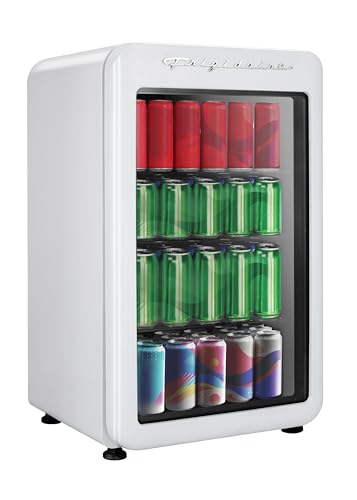
Beverage Fridge Buying Guide: Compressor vs Thermoelectric

6 Drink Dispensers That Actually Seal Right (2026)

Skip Cheap Whiskers: Get a Real Chasen

Wondering Which Tea Infuser Is Best? Try This Basket
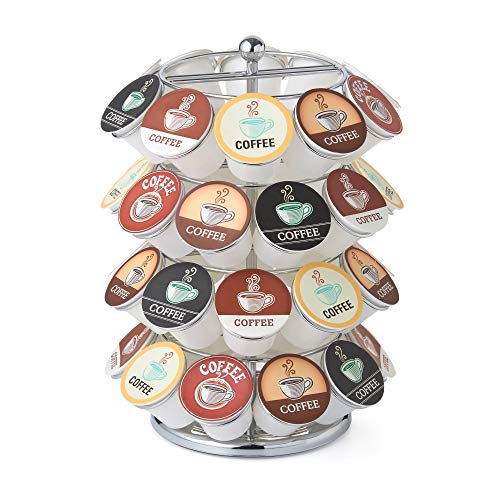
Don’t Buy a Coffee Pod Organizer Until You Read This
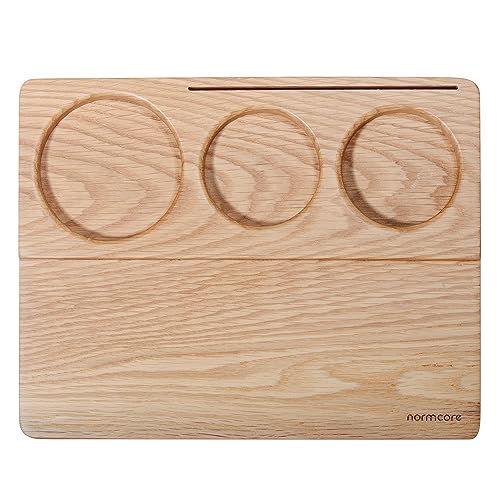
Tamp Like a Pro: Expert Chosen Tamper Mats

Coffee Scales for Every Brew, Tested for Daily Use