Quick verdict
For raised, red burn scars, silicone-based products like ScarAway and Kelo-cote produce the most reliable results. For flat, discolored burn marks, Mederma and Bio-Oil are strong choices that excel at reducing pigmentation. Start treatment as early as possible after the wound has healed - consistent twice-daily application over three months makes a visible and measurable difference in virtually all burn scar types.
Mederma Advanced Scar Gel
Mederma is one of the most studied over-the-counter scar treatments available. Its active ingredient, allium cepa (onion bulb extract), has anti-inflammatory and anti-fibrotic properties that help break down excess collagen in raised burn scars and reduce post-inflammatory hyperpigmentation. The gel formula is clear, dries quickly, and does not leave a residue. Clinical studies support measurable improvement in scar texture, redness, and softness within eight weeks of once-daily application. It is particularly effective on new scars (less than two years old) and on burns that are red or slightly raised following initial healing.
Explore the top five creams proven to fade and remove burn marks in 2026, with detailed reviews of silicone, vitamin E, and onion extract formulas for scar healing.
Burn marks – whether from minor kitchen accidents, sunburn, or more serious injuries – can persist on the skin long after the wound has healed. The resulting discoloration, raised tissue, and uneven texture are caused by excess collagen deposition and pigmentation changes during the skin’s repair process. Modern topical treatments have become remarkably effective at fading and flattening burn scars when used consistently. Here are the five best burn mark creams of 2026, chosen for clinical backing and real-world results.
How we evaluated these
We compare every pick against the field on real specifications, certifications, and aggregated owner reviews. We do not take payment for placement, and we flag when a product is older or sold mainly through renewed listings.
The shortlist
| Pick | Best for | Score | |
|---|---|---|---|
| Mederma Advanced Scar Gel | All scar types | Check price | |
| ScarAway Silicone Scar Treatment Cream | Check price | ||
| Derma E Scar Gel | Natural healing | Check price | |
| Bio-Oil Skincare Oil | Discoloration & dryness | Check price | |
| Kelo-cote Advanced Formula Scar Gel | Check price |
Each pick, examined
Mederma Advanced Scar Gel
Mederma is one of the most studied over-the-counter scar treatments available. Its active ingredient, allium cepa (onion bulb extract), has anti-inflammatory and anti-fibrotic properties that help break down excess collagen in raised burn scars and reduce post-inflammatory hyperpigmentation. The gel formula is clear, dries quickly, and does not leave a residue. Clinical studies support measurable improvement in scar texture, redness, and softness within eight weeks of once-daily application. It is particularly effective on new scars (less than two years old) and on burns that are red or slightly raised following initial healing.
ScarAway Silicone Scar Treatment Cream
ScarAway's Silicone Scar Treatment uses medical-grade silicone - the gold standard in scar management according to plastic surgeons and dermatologists. The silicone forms an occlusive barrier over the scar that regulates moisture, reduces collagen overproduction, and gradually flattens and softens raised burn tissue. It is especially effective for hypertrophic scars (thick, raised) and early keloid formation following burns. Results begin to appear within six weeks for most users, with significant flattening and color improvement noted at three months. The cream can be used on healed wounds anywhere on the body and is safe for children over two years of age.
Derma E Scar Gel
Derma E Scar Gel offers a gentle, botanical-forward alternative to chemical scar treatments. Allantoin soothes and regenerates damaged skin cells, panthenol (provitamin B5) promotes wound healing and moisture retention, and aloe vera reduces inflammation in healing burn tissue. The light gel texture is appropriate for sensitive or reactive skin that may not tolerate stronger actives like silicone or onion extract. Regular twice-daily application produces gradual, steady improvement in burn scar appearance with minimal risk of irritation. It is vegan, fragrance-free, and paraben-free - making it one of the cleanest-label scar treatments on this list.

Bio-Oil Skincare Oil
Bio-Oil has earned its global reputation for addressing a wide range of skin discoloration and texture issues, including burn marks. The proprietary PurCellin Oil base allows the active ingredients - vitamins A and E, calendula, lavender, rosemary, and chamomile - to penetrate more deeply than standard lotions. Regular massage application to burn scar tissue not only delivers the active botanicals but also physically breaks down fibrous adhesions beneath the skin surface. It is particularly effective for older, flat burn scars with persistent discoloration rather than raised tissue, where its lightweight, fast-absorbing oil format provides daily hydration and gradual fading.
Kelo-cote Advanced Formula Scar Gel
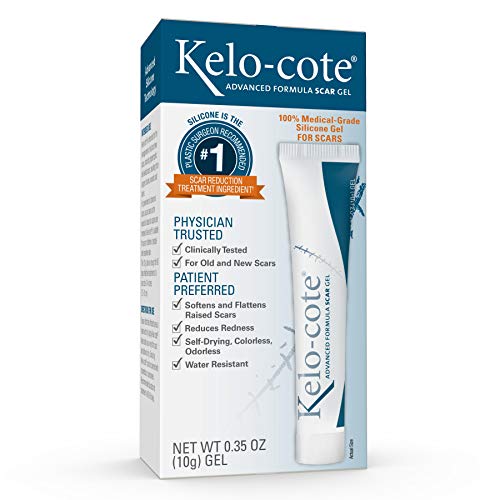
Kelo-cote is the premium choice for serious hypertrophic burn scars and early keloids. Used in clinical and post-surgical settings worldwide, its advanced silicone polymer formula creates a durable, breathable film that can be applied once or twice daily and left in place throughout normal activity. Studies show Kelo-cote reduces scar height, redness, and hardness significantly faster than standard silicone creams. It is also water-resistant, meaning it survives daily handwashing and light sweating without reapplication. The higher price reflects pharmaceutical-grade manufacturing quality and is well justified for individuals dealing with prominent or stubborn burn scars.
Buying considerations
Silicone content
- Medical-grade silicone is the most evidence-backed ingredient for hypertrophic and raised burn scars. Look for it listed as dimethicone, cyclopentasiloxane, or silicone polymer. - **Onion extract (allium cepa)** - This botanical has the strongest OTC clinical evidence for reducing scar redness and breaking down fibrous scar tissue over time. - **Early application timing** - Scar creams work best when applied as soon as the wound has fully closed. Starting treatment on a fresh, healed scar dramatically improves outcomes versus waiting months. - **SPF protection** - Burn scar tissue is highly susceptible to UV darkening. Always apply SPF 30+ over treated scar areas when exposed to sunlight to prevent pigmentation from worsening.
Final word
For raised, red burn scars, silicone-based products like ScarAway and Kelo-cote produce the most reliable results. For flat, discolored burn marks, Mederma and Bio-Oil are strong choices that excel at reducing pigmentation. Start treatment as early as possible after the wound has healed - consistent twice-daily application over three months makes a visible and measurable difference in virtually all burn scar types.
Questions answered
Most burn mark creams show initial improvement in texture and color within four to eight weeks of twice-daily application. Older, more established burn scars may require three to six months of consistent treatment. Silicone-based products tend to work faster on raised hypertrophic scars, while vitamin C and niacinamide formulas take longer but address pigmentation more effectively.
Over-the-counter creams can significantly fade and flatten older burn scars but rarely remove them entirely. They work best on discoloration and mild texture irregularities. Deep burn scars involving the dermis typically require professional treatments such as laser resurfacing, microneedling, or steroid injections alongside topical care for the most complete results.
Both silicone gels and creams are clinically proven to improve burn scars, but gels dry to a thin film that is more breathable for use on body locations that flex or sweat. Silicone creams and ointments provide more intense occlusion and hydration, making them preferable for dry, cracked burn scar tissue. Dermatologists often recommend gel for daytime and cream for nighttime use.
Keep reading

5 Best Cream to Remove Scar of 2026 | Fade Marks Fast

5 Best Cream for Keloid Scar of 2026 | Flatten, Fade, and Soften

5 Best Cream for Scarred Skin of 2026 | Restore and Smooth Damaged Skin

5 Best Cream for Face Scar of 2026 | Fade and Flatten Facial Scars

5 Best Cream for Scar Reduction of 2026 | Clinically Backed Scar Reducers
5 Best Cream for Scar from Burns of 2026 | Fade & Flatten Burn Scars
5 Best Cream for Scar Removal of 2026 | Top Picks for Fading All Scar Types