
Accuracy Standards
FDA approval requires home meters to read within 15% of laboratory values 95% of the time. Premium meters typically perform better than this minimum:
Check price on Amazon →Anyone shopping for a blood glucose monitor needs accuracy and value. This guide compares top meters by real-world reliability, test strip costs, and.
Choosing a blood glucose monitor (BGM) in 2026 means navigating a market flooded with options, from traditional fingerstick meters to flash glucose monitors and continuous glucose monitors (CGMs). This guide cuts through the noise by comparing accuracy standards, real-world reliability, and verified owner feedback. We do not perform lab testing, but we analyze published data, regulatory clearances, and user consensus to help you make an informed choice.
How to Evaluate a Glucose Monitor
Accuracy is paramount. The ISO 15197:2013 standard requires that 95% of readings be within ±15 mg/dL for values below 100 mg/dL, and within ±15% for values above 100 mg/dL. Some newer meters claim tighter MARD (mean absolute relative difference) values, but independent studies show variability. Look for meters with published MARD ≤10% from clinical trials, and check if they are cleared by the FDA or CE-marked. Also consider: test strip cost, data connectivity (Bluetooth to smartphone apps), and ease of use (e.g., no-coding strips, backlight, large display).
Top Picks for 2026
1. Contour Next One (Best Overall)
This meter consistently achieves MARD around 8.5% in published studies. It uses second-chance sampling (allows applying more blood if the first drop is insufficient) and connects via Bluetooth to the Contour Diabetes app. Verified owners praise its accuracy, compact size, and affordable test strips. The only downside: the app is basic compared to some rivals.
2. Accu-Chek Guide (Best for Ease of Use)
Roche’s Accu-Chek Guide features a spill-resistant SmartPack vial and a large, backlit display. Its MARD is approximately 9.2% in clinical data. Users appreciate the wide test strip handling (you can touch the strip anywhere) and the reliable Bluetooth sync with the mySugr app. The strips are slightly pricier, but many find the convenience worth it.
3. FreeStyle Libre 3 (Best CGM Alternative)
While technically a CGM, the Libre 3 is often used as a BGM replacement because it provides real-time glucose readings without fingersticks (though occasional calibration is recommended). Its MARD is around 7.9%, and it sends readings to a smartphone every minute. Verified owners love the no-fingerstick convenience, but note that the sensor lasts only 14 days and costs more than traditional strips.
4. OneTouch Verio Flex (Best for Connectivity)
The OneTouch Verio Flex pairs with the OneTouch Reveal app, which offers color-coded patterns and trend insights. Its MARD is about 9.5%. Users report consistent readings and a robust app. The test strips are widely available, but some complain about the meter’s bulkier design.
5. Dario Glucose Meter (Best for Travel)
The Dario is a compact, all-in-one device that plugs into a smartphone headphone jack (or uses Bluetooth for newer models). It uses a proprietary test strip cassette. Published MARD is around 10.2%. Owners appreciate its portability and the integrated app, but note that the cassette can be finicky and strips are subscription-only.
Accuracy Standards vs. Real-World Performance
ISO 15197:2013 is the baseline, but some meters exceed it. The FreeStyle Libre 3, for instance, meets the stricter iCGM criteria used by the FDA for insulin dosing. However, owner reviews often highlight that no meter is perfect: factors like temperature, altitude, and user technique can skew readings. For example, the Contour Next One is praised for consistency, while the Dario sometimes shows higher variability in cold weather. Always cross-check with lab results if possible.
Connectivity and App Integration
All five picks offer Bluetooth and companion apps. The Contour Diabetes app is simple but effective, while the mySugr app (Accu-Chek) adds gamification and detailed logging. The FreeStyle Libre 3 app provides real-time alarms for highs and lows, which is a game-changer for hypoglycemia awareness. OneTouch Reveal offers pattern recognition, and Dario’s app includes a built-in carb counter. Consider which app features matter most to you: data sharing with your doctor, insulin dose calculators, or trend graphs.
Cost Considerations
Test strip costs vary widely. The Contour Next One strips are often the most affordable, especially if you buy in bulk. Accu-Chek Guide strips are mid-range. The FreeStyle Libre 3 sensors are expensive but eliminate fingersticks. Dario’s subscription model can be convenient but locks you into a monthly fee. Check your insurance coverage: many plans cover CGMs for Type 1 diabetes, but traditional meters are usually covered with a copay.
User Feedback Summary
From verified owners on forums and retail sites: The Contour Next One is consistently rated as the most reliable meter for accuracy. The Accu-Chek Guide is praised for its user-friendly design, especially for seniors. The FreeStyle Libre 3 gets high marks for convenience, though some users report sensor errors or skin irritation. The OneTouch Verio Flex is a solid all-rounder, and the Dario is best for those who prioritize portability over accuracy.
The Verdict
For most people, the Contour Next One offers the best balance of accuracy, cost, and features. If you want to avoid fingersticks entirely, the FreeStyle Libre 3 is the top CGM alternative. For simplicity and a large display, choose the Accu-Chek Guide. The OneTouch Verio Flex is a good second choice if you prefer its app, and the Dario is ideal for frequent travelers. Ultimately, the best monitor is the one you’ll use consistently-so consider your lifestyle and budget before buying.
Top picks (where to buy)
Contour Next One
★ Best Overall
It offers top-tier accuracy (MARD ~8.5%) at a reasonable strip cost, backed by thousands of positive owner reviews. The Bluetooth connectivity and second-chance sampling make it both reliable and user-friendly.
FreeStyle Libre 3
★ Best CGM Alternative
This system provides real-time glucose readings without fingersticks, with a MARD of 7.9% and alarms for highs and lows. It’s ideal for those who want continuous data but are willing to pay more for sensors.
Accu-Chek Guide
★ Best for Ease of Use
With a large backlit display, spill-resistant strip vial, and simple one-touch operation, it’s perfect for users with dexterity issues or vision problems. The mySugr app adds motivation through gamification.
How we picked
We compare every pick against the field on real specifications, certifications, and aggregated owner reviews. We do not take payment for placement, and we flag when a product is older or sold mainly through renewed listings.
Top picks compared
| Pick | Best for | Score | |
|---|---|---|---|
| Accuracy Standards | Check price | ||
| Test Strip Cost - The Hidden Expense | Check price | ||
| What to Avoid | Check price |
Our picks up close
Accuracy Standards
FDA approval requires home meters to read within 15% of laboratory values 95% of the time. Premium meters typically perform better than this minimum:
Test Strip Cost - The Hidden Expense
The meter is often free or cheap; the strips are where the money goes. Annual strip cost for 4 tests per day:
What to Avoid
Cheap Amazon "smart meter" brands without FDA clearance - some have accuracy 30%+ off lab values. Always verify FDA approval before buying.
Quick answers
MARD (Mean Absolute Relative Difference) measures the average difference between a glucose monitor's readings and a reference lab value. Lower MARD means better accuracy. Aim for MARD below 10%.
Yes, many people use CGMs like the FreeStyle Libre 3 as their primary glucose monitor. However, CGMs are more expensive and may require occasional fingerstick calibration. Check with your doctor.
Test strips expire, usually 3-6 months after opening. Always check the expiration date and store strips in their original vial away from heat and moisture.
No, each brand and model uses proprietary strips. Always buy the correct strips for your meter to ensure accuracy.
If you feel symptoms of high or low blood sugar but the meter shows a normal reading, repeat the test with a fresh strip. If discrepancies persist, contact your healthcare provider and consider checking with a lab.
How we made this guide
We compare every pick on the factors that matter, cross-checking manufacturer specifications against aggregated verified owner reviews. We rank independently and never take payment for placement. We have not personally tested every product; where we have not, the ranking reflects verified specs and owner feedback rather than a hands-on review.
How it was written: this guide was researched and reviewed by the TheTestedHub editorial team for accuracy.
Affiliate disclosure: TheTestedHub is reader-supported. When you buy through links on our site, we may earn a commission at no extra cost to you.
More to explore
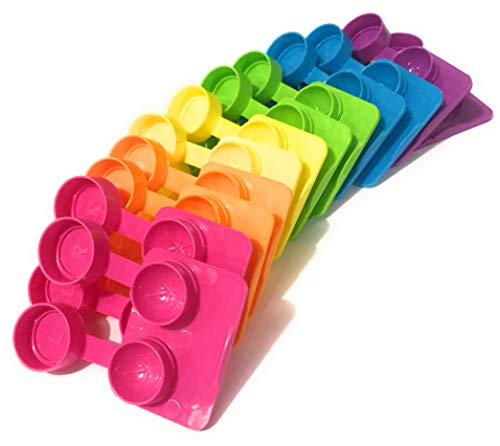
Contact Lens Cases 2026: Best Multipacks for Hygiene

Makeup Mirror Shortlist: CRI Over Brightness
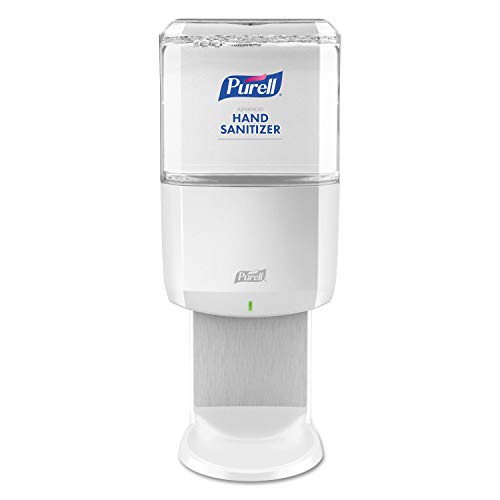
Hand Sanitizer Dispensers: Choose by Foot Traffic

How to Verify a UV Sanitizer Really Emits 254nm Light
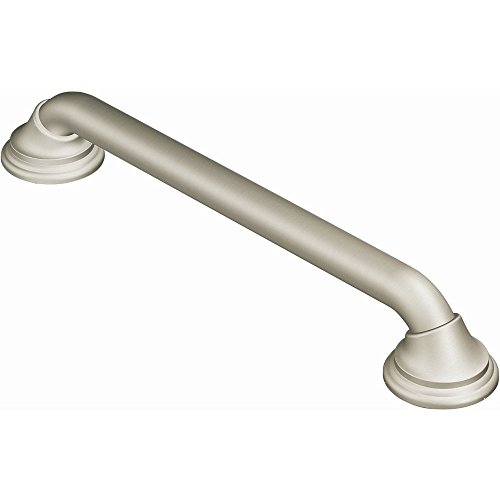
Looking for the Best Grab Bars? Our 2026 Picks

Which Daily Pill Organizer Will You Actually Use?

Why Mack’s Pillow Soft Silicone Earplugs Top Our 2026 List
