Two short windows around sunrise and sunset produce the most cinematic natural light of the day. Golden hour starts when the sun is on the horizon and ends roughly 30 minutes later (or 30 minutes before sunset on the other end). Blue hour begins when the sun has dropped below the horizon and lasts another 20 to 30 minutes before full darkness. These two windows are the foundation of landscape photography, the favorite light of portrait photographers shooting outdoors, and the magic period that makes everything from cityscapes to wedding portraits look more expensive than they really are. Planning a shoot around them is one of the highest-impact skills a photographer can develop.
What makes golden hour different
When the sun is low on the horizon (within roughly 6 degrees above), three things change about the light it produces.
First, the color shifts dramatically warmer. Daylight at noon measures around 5500K to 6500K. Golden hour light measures 2500K to 3500K, similar to a candle flame or a tungsten bulb. The warm color is flattering on most skin tones, produces saturated red and orange tones in landscape, and gives the entire scene a coherent warm cast that reads as cinematic.
Second, the light becomes more directional. The low sun acts like a key light at a low angle, producing long shadows that emphasize texture and shape. Mountains gain dimension. Sand dunes show ripples. Faces gain sculpted shape because the light has direction. At noon, the sun is overhead and shadows are short and harsh, eliminating most of this dimensionality.
Third, the light softens because more atmosphere is between the sun and your subject. At noon, sunlight travels through roughly the thickness of the atmosphere directly above you (one air mass). At golden hour, the light angles in through 3 to 5 times that thickness of atmosphere. The extra atmosphere scatters short blue wavelengths and softens the light, producing the warm color and the gentler shadows simultaneously.
The window is short. Golden hour technically extends from sunrise until the sun reaches 6 degrees above the horizon, and reverse for sunset. At the equator this is roughly 25 minutes; at 40 degrees latitude in summer, it can stretch to 60 to 90 minutes. The most photogenic 20 to 30 minutes of that window is the sweet spot for portraits and landscape.
What makes blue hour different
Blue hour starts after the sun has dropped below the horizon and ends when the sky goes fully dark. The technical window is when the sun is between 4 and 8 degrees below the horizon.
During this time, the sky still has significant illumination from the upper atmosphere, but the warm direct sunlight is gone. The atmosphere selectively scatters short blue wavelengths from the still-illuminated upper sky, producing the saturated deep-blue color that gives the window its name.
The light quality is fundamentally different from golden hour:
- The light is now omnidirectional rather than directional. The whole sky is the light source, acting as a giant softbox. Shadows are gone.
- Color temperature reverses: from the warm 2500K to 3500K of golden hour, blue hour shifts cool to 10000K to 18000K, producing the saturated blue cast.
- Foreground subjects need their own light source. Buildings need their lit windows. Streets need their streetlights. People need fill flash or proximity to artificial light. The sky gives ambient color but does not have enough power to light dark foreground.
This is why cityscape photographers love blue hour. The streetlights, building lights, and signs are all on, providing foreground illumination. The sky still has saturated blue rather than going black. The contrast between the warm artificial lights and the cool blue sky produces the iconic cityscape look that dominates urban photography Instagram.
Genres that benefit from golden hour
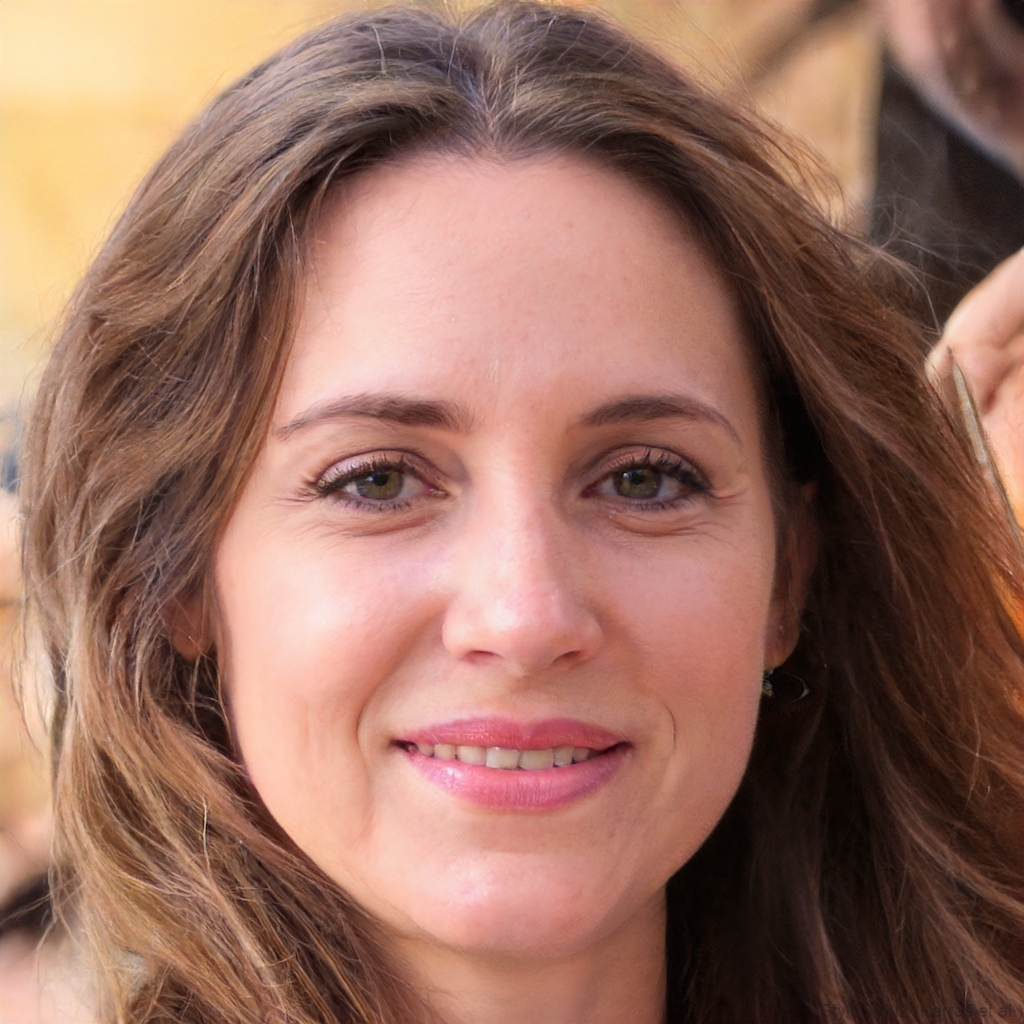
Portrait photography: the warm color temperature, soft directional light, and gentle shadows all flatter skin. Most outdoor portrait sessions are scheduled for the hour around sunset specifically for this light. Hair backlit by the low sun produces a warm rim that separates the subject from the background with no additional lights needed.
Wedding photography: golden hour is the most-requested time slot for romantic outdoor wedding portraits. Many photographers build a 15-to-30 minute golden-hour portrait session into the wedding timeline specifically for couple portraits.
Landscape photography: the low-angle light brings out texture in mountains, deserts, coastlines, and any terrain with significant elevation change. The warm color saturates the warm tones in the landscape (red rocks, brown grasslands, autumn leaves) and creates dramatic shadow patterns that disappear at midday.
Travel photography: golden hour produces the postcard look. Any famous landmark photographed at golden hour looks better than at noon because the directional light brings out architectural detail and the warm color reads as romantic.
Genres that benefit from blue hour
Cityscape and architecture: the combination of artificial lights on buildings and the saturated blue sky is the defining look of urban photography. Skylines like Manhattan, Singapore, Hong Kong, and Dubai are at their most cinematic during blue hour.
Long exposures: the dim ambient light during blue hour allows long shutter speeds (10 to 30 seconds) without overexposing. This is when light trails from cars on bridges, smooth water in harbor scenes, and motion blur of clouds become possible without using neutral density filters.
Mood and atmosphere: blue hour reads as quiet, calm, and slightly melancholic. Genres that benefit from those moods (cinema-inspired stills, atmospheric travel, environmental portraits with a quiet vibe) often choose blue hour over golden hour.
Astrophotography preparation: the end of blue hour blends into astronomical twilight, when stars become visible but the sky still has a hint of color. This is the magic window for foreground-plus-stars compositions where you want some color in the sky behind a silhouetted landscape.
Planning the timing
Golden hour and blue hour times are easy to look up. The dedicated apps (PhotoPills, The Photographer’s Ephemeris, Sun Surveyor) show the exact start and end times for any date and location, plus visual overlays of the sun’s path on a map. The free website golden-hour.com gives a quick reference for any city.
The practical timing: arrive 30 to 45 minutes before golden hour starts to scout location, set up gear, and dial in exposure on test shots. The light changes fast (often a stop of brightness every 5 to 10 minutes during the transition), so being ready to shoot when the window opens is critical.
For sunset shoots, plan to continue working past the official sunset time into the start of blue hour. The transition between the last 5 minutes of golden hour and the first 5 minutes of blue hour is often the most dramatic, with the sky going from warm orange to saturated red to deep blue in 10 to 15 minutes.
Weather and atmosphere effects
Cloud cover affects both windows dramatically. Clear skies produce intense golden hour color but less drama. Partial clouds (especially mid-level cumulus or cirrus) often produce the most spectacular sunsets because the clouds catch the warm light from below and produce reds, oranges, and pinks across the sky.
Total overcast usually flattens both windows. The dramatic color shifts of golden hour and blue hour depend on the sun’s direct light being visible to the high atmosphere. Heavy overcast blocks this and produces a softer, less colorful version of the same windows.
Air pollution and atmospheric haze can intensify color. Sunsets in heavily polluted cities or near forest fire smoke often produce more saturated red and orange tones than clear-air sunsets, because the additional particles scatter more long-wavelength light.
For more on natural and controlled light, see our companion guides on three-point lighting and polarizer filter use. Golden hour and blue hour are gifts from the sun. Planning your work around them transforms ordinary outdoor photography into something that reads as crafted.
Frequently asked questions
What apps work best for planning golden hour and blue hour shoots?+
PhotoPills is the standard for serious landscape and portrait photographers. It shows golden hour, blue hour, sun position, moon position, and Milky Way arcs for any date and location, with an augmented-reality view that overlays sun and moon paths on your phone camera. Alternatives include The Photographer's Ephemeris (TPE) and Sun Surveyor, both with similar functionality. For casual planning, the free golden-hour.com website and the Magic Hour app cover the basics.
How long does golden hour actually last?+
Between 20 minutes and over an hour, depending on latitude and time of year. At the equator, golden hour is short (the sun rises and sets near vertical, so the low-angle light window passes quickly). At higher latitudes (above 40 degrees north or south) in summer, golden hour can stretch for 60 to 90 minutes because the sun moves through the horizon at a shallow angle. The technical definition is when the sun is between zero and 6 degrees above the horizon, but the most-flattering portion is usually the middle 20 to 30 minutes.
Why does blue hour look so different from twilight?+
Blue hour is the specific window when the sun is between 4 and 8 degrees below the horizon. The sky still has significant illumination from the upper atmosphere (which is being lit by the sun even though the sun is below your horizon), but the warm direct sunlight is gone. The atmosphere selectively scatters short blue wavelengths, producing the deep saturated blue color photographers chase. As the sun drops further below the horizon (past 8 degrees), the sky darkens into true twilight and eventually night, and the saturated blue fades to neutral dark.
Can I create golden hour light artificially with off-camera flash?+
You can mimic the warm color temperature with a CTO (Color Temperature Orange) gel on a flash, which shifts roughly 5500K daylight to roughly 3200K tungsten warmth. What is harder to mimic is the soft, omnidirectional fill that golden hour provides from the entire sky acting as a giant softbox. You can approximate this with very large diffusion (a 6-foot scrim or a wall of bedsheet) plus a warm-gelled flash, but the natural version is fundamentally different in quality of fill light. For most working photographers, scheduling the shoot during real golden hour is easier than recreating it.
Is golden hour better for portraits or landscape?+
Both, but for different reasons. Portrait photographers love golden hour because the low-angle sun acts as a key light that wraps around the subject, hair gets a warm rim of backlighting when the sun is behind the subject, and the warm color temperature flatters most skin tones. Landscape photographers love it because the same low-angle light brings out texture in terrain (mountains, sand dunes, urban buildings) that disappears at midday when shadows are short and steep. The big difference: portraits typically use the early part of golden hour for stronger directional light, while landscapes often work better in the late part when light is softer and more diffuse.