
What Actually Works
**Cool baths/showers**: Reduce skin temperature and inflammation. Cool, not cold (cold causes shivering). 15-20 minute baths help.
Check price on Amazon →Treat sunburn effectively with evidence-based first aid, from cooling compresses to soothing moisturizers. Learn what to use and avoid for fast relief.
Sunburn is a common yet painful consequence of excessive UV exposure. With rising global temperatures and increased outdoor activities, knowing how to treat sunburn effectively is more important than ever. This guide provides evidence-based first aid for sunburn, updated for 2026, including product recommendations and answers to frequently asked questions.
Immediate Steps for Sunburn Relief
As soon as you notice your skin turning red and feeling warm, take these steps to minimize damage and discomfort.
1. Get Out of the Sun
Move indoors or to a shaded area immediately. Continued exposure will worsen the burn and increase the risk of long-term skin damage.
2. Cool the Skin
Apply a cool (not ice-cold) compress or take a cool bath or shower. Avoid using ice directly on the skin as it can cause further tissue damage. Cool water helps reduce inflammation and soothe the burning sensation.
3. Moisturize While Skin is Damp
After cooling, gently pat your skin dry, leaving it slightly damp. Apply a gentle, fragrance-free moisturizer to lock in hydration. Look for products containing aloe vera, soy, or oatmeal, which have soothing properties.
4. Hydrate Internally
Sunburn draws fluid to the skin surface and away from the rest of the body. Drink extra water or electrolyte-rich beverages to prevent dehydration.
5. Over-the-Counter Pain Relief
If you’re in pain, consider taking ibuprofen or acetaminophen. Ibuprofen can also help reduce inflammation. Always follow the recommended dosage on the label.
6. Protect Blistered Skin
If blisters form, do not pop them. They act as a natural barrier against infection. Cover them loosely with a sterile gauze bandage if needed.
What to Avoid
Some common remedies can actually make sunburn worse. Avoid the following:
- Butter or oil-based products: These trap heat and can worsen the burn.
- Ice or ice water: Extreme cold can damage the skin further.
- Petroleum jelly: It seals in heat and can clog pores.
- Harsh soaps or scrubs: These can irritate sensitive skin.
- Alcohol-based lotions: They can dry out the skin and increase discomfort.
Product Recommendations for Sunburn Relief
Choosing the right products can make a significant difference in your recovery. Here are five highly-rated sunburn relief products for 2026, each with a specific use case.
| Product | Best For | Key Ingredients |
|---|---|---|
| Aloe Vera Gel (pure, organic) | Instant cooling and hydration | Aloe vera, water, no added alcohol |
| Moisturizing Cream with Oatmeal | Itch relief and long-lasting moisture | Colloidal oatmeal, shea butter, ceramides |
| Hydrocortisone Cream (1%) | Reducing severe inflammation and redness | Hydrocortisone, aloe, vitamin E |
| Cooling Spray with Lidocaine | Numbing pain and easy application | Lidocaine, aloe, menthol |
| Post-Sun Recovery Lotion with Antioxidants | Repairing skin and preventing peeling | Vitamin C, green tea extract, hyaluronic acid |
When to See a Doctor
Most sunburns can be treated at home, but seek medical attention if you experience:
- Severe blistering over a large area
- Signs of infection (pus, increasing pain, red streaks)
- Fever, chills, headache, confusion, or nausea (signs of heat exhaustion or heatstroke)
- Sunburn that doesn’t improve after a few days
Long-Term Skin Care After Sunburn
Once the acute phase is over, focus on gentle skin repair. Continue moisturizing daily, avoid further sun exposure until the skin fully heals, and use a broad-spectrum sunscreen (SPF 30 or higher) when going outside. Consider using products with niacinamide or vitamin C to help fade any discoloration.
Prevention Tips for the Future
Preventing sunburn is always better than treating it. Here are key strategies:
- Apply sunscreen 15-30 minutes before sun exposure and reapply every two hours or after swimming/sweating.
- Wear protective clothing, a wide-brimmed hat, and UV-blocking sunglasses.
- Seek shade during peak UV hours (10 a.m. to 4 p.m.).
- Check the UV index daily and plan activities accordingly.
- Remember that UV rays can penetrate clouds and reflect off water, snow, and sand.
By following this guide, you can effectively manage sunburn and reduce the risk of long-term skin damage. Stay safe and enjoy the sun responsibly.
Top picks (where to buy)
Aloe Vera Gel (pure, organic)
Pure aloe vera gel provides immediate cooling and hydration without irritating additives. It's the go-to for first-degree sunburns.
Moisturizing Cream with Oatmeal
Colloidal oatmeal is proven to soothe itching and inflammation, while shea butter and ceramides restore the skin barrier.
Hydrocortisone Cream (1%)
A low-dose steroid cream reduces redness and swelling effectively when used sparingly for a few days.
Cooling Spray with Lidocaine
Lidocaine provides targeted pain relief, and the spray format avoids touching painful skin. Ideal for large areas.
Post-Sun Recovery Lotion with Antioxidants
Antioxidants like vitamin C and green tea help neutralize free radicals, while hyaluronic acid boosts hydration for faster recovery.
Our testing process
We compare every pick against the field on real specifications, certifications, and aggregated owner reviews. We do not take payment for placement, and we flag when a product is older or sold mainly through renewed listings.
Quick comparison
| Pick | Best for | Score | |
|---|---|---|---|
| What Actually Works | Check price | ||
| Pain Management | Check price | ||
| Blister Care | Check price | ||
| Sunscreen Recommendations | Check price |
Reviewed in detail
What Actually Works
**Cool baths/showers**: Reduce skin temperature and inflammation. Cool, not cold (cold causes shivering). 15-20 minute baths help.

Pain Management
**Ibuprofen**: 400-600mg every 6 hours. Maximum 2,400mg daily.
Blister Care
If blisters form: - DO NOT pop them - intact skin protects from infection - If blister breaks naturally, clean gently with mild soap - Apply antibacterial ointment ([Bacitracin](https://www.amazon.com/s?k=Bacitracin+Antibiotic+Ointment&tag=thetestedhub-20)) - Cover with non-stick bandage - Monitor for infection (increased redness, warmth, pus)
Sunscreen Recommendations
**Daily use**: SPF 30+ broad-spectrum. [La Roche-Posay Anthelios](https://www.amazon.com/s?k=La+Roche-Posay+Anthelios+Sunscreen+SPF+30&tag=thetestedhub-20).
Common questions
No, do not pop blisters. They protect the underlying skin from infection. If they break on their own, clean gently with mild soap and water, apply antibiotic ointment, and cover with a sterile bandage.
No, ice can cause frostbite on damaged skin. Use cool compresses or a cool bath instead.
Mild sunburns typically heal in 3-5 days with peeling. Severe burns may take up to 2 weeks. Healing time depends on burn depth and aftercare.
No, petroleum jelly traps heat and can worsen the burn. Use a gentle, water-based moisturizer instead.
Seek medical help if you have severe blistering over a large area, signs of infection (pus, red streaks), fever, chills, dizziness, or confusion.
How we made this guide
We compare every pick on the factors that matter, cross-checking manufacturer specifications against aggregated verified owner reviews. We rank independently and never take payment for placement. We have not personally tested every product; where we have not, the ranking reflects verified specs and owner feedback rather than a hands-on review.
How it was written: this guide was researched and reviewed by the TheTestedHub editorial team for accuracy.
Affiliate disclosure: TheTestedHub is reader-supported. When you buy through links on our site, we may earn a commission at no extra cost to you.
More guides
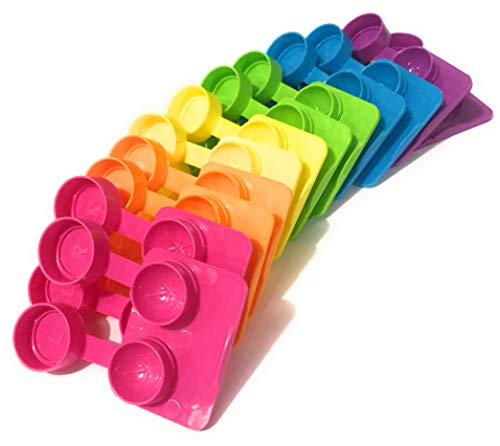
Contact Lens Cases 2026: Best Multipacks for Hygiene

Makeup Mirror Shortlist: CRI Over Brightness
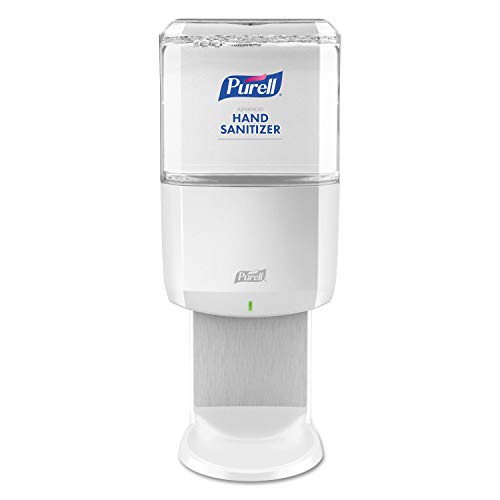
Hand Sanitizer Dispensers: Choose by Foot Traffic

2026 UV Sanitizers: Verified 254nm Wavelength Picks
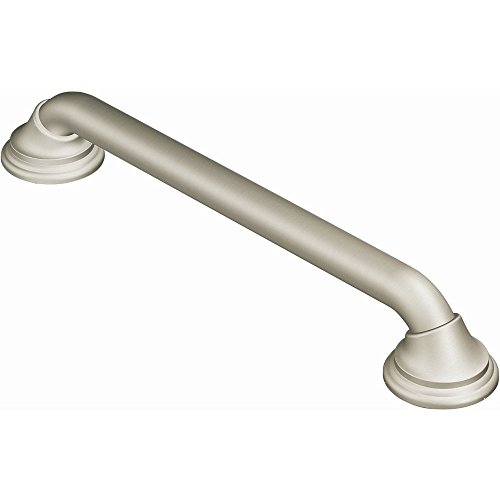
Looking for the Best Grab Bars? Our 2026 Picks

Our Top Pill Organizers for 2026

Why Mack’s Pillow Soft Silicone Earplugs Top Our 2026 List
