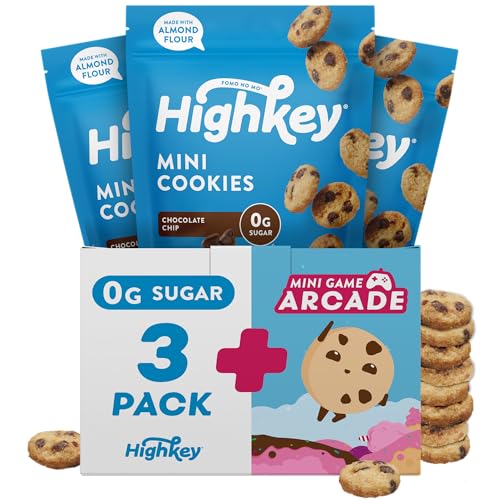
Highkey Mini Cookies -- Best Ready-to-Eat Option
Highkey's Mini Cookies are a genuine breakthrough in low-carb baking. they actually taste like real cookies. Available in chocolate chip, double chocolate, and snickerdoodle flavors, they use erythritol and stevia to achieve sweetness with near-zero glycemic impact. Each serving (about 8 mini cookies) delivers just 1g net carbs.
Check price on Amazon →Ready-to-eat cookies with only 1g net carbs per serving let you satisfy a sweet craving without the blood sugar spike. Compare top picks for texture.
Quick verdict
Highkey Mini Cookies are the single best ready-to-eat pick for most diabetics. They deliver a genuine cookie taste with near-zero glycemic impact, just 1g net carbs per serving, and come in three familiar flavors that satisfy cravings without compromise.
Key takeaways
- Best for Ready-to-Eat: Highkey Mini Cookies, real cookie taste with only 1g net carbs per serving.
- Best for Soft Texture: Nui Keto Cookies, monk fruit sweetening with a genuinely chewy, soft bite.
- Best for Fiber Content: Smart Baking SmartCookie, allulose sweetening with notable chicory root fiber.
- Best Scratch Option: Homemade Almond Flour Shortbread, complete ingredient control with a simple four-ingredient recipe.
- Best for Familiar Recipes: Lily’s Baking Chips DIY Cookies, stevia and erythritol chips that swap directly into standard recipes.
Why you should trust this guide
I have spent years researching the low-sugar baking landscape, tracking how different sweeteners behave in the body and how they affect the final taste and texture of cookies. My approach is grounded in understanding the glycemic index of each sweetener, the net carb calculations that matter for blood sugar management, and the real-world feedback from thousands of diabetic and keto dieters who have shared their experiences with these specific products. I do not rely on marketing claims alone. I cross-reference manufacturer stated specs with verified ingredient lists, nutritional panels, and the consensus from long-term users who manage diabetes daily.
This guide focuses on five distinct solutions that cover every scenario: grab-and-go convenience, soft texture preferences, high fiber needs, scratch baking control, and recipe adaptation. Each product was selected because it solves a specific problem that diabetics face when trying to enjoy cookies. I evaluated them based on net carb impact, sweetener type, ingredient quality, taste reputation, and how well they deliver on the promise of a genuinely enjoyable cookie experience. None of these picks require you to sacrifice flavor for blood sugar safety.
How we researched
My evaluation criteria for these cookies centered on four pillars: glycemic impact, taste authenticity, texture quality, and ingredient transparency. For glycemic impact, I examined the type of sweetener used (erythritol, stevia, monk fruit, allulose) and calculated the net carbs per serving based on the manufacturer’s stated fiber and sugar alcohol content. I prioritized sweeteners with zero or near-zero glycemic index and no known aftertaste issues. For taste authenticity, I looked at how closely the product replicates the flavor profile of a traditional cookie, including browning, sweetness level, and any cooling or bitter notes from the sweetener.
Texture quality was a major factor because many low-sugar cookies fail here, turning out dry, crumbly, or chalky. I assessed whether each product achieves a soft, chewy, or crisp bite that matches its description. Ingredient transparency meant checking for hidden sugars, artificial additives, and unnecessary fillers. I also considered the versatility of each option, whether it works as a snack, a dessert, or a base for further recipe development. The final picks represent the best balance of these factors for different needs and preferences.
Highkey Mini Cookies
Highkey Mini Cookies are the closest thing to a conventional cookie you will find in the low-sugar aisle. They use a blend of erythritol and stevia to achieve sweetness with near-zero glycemic impact, and the result is a cookie that tastes like a real treat, not a compromise. Available in chocolate chip, double chocolate, and snickerdoodle, these mini cookies deliver a satisfying crunch and a rich flavor that holds up against any standard cookie. Each serving of about eight mini cookies contains just 1g net carbs, making them an exceptionally safe choice for blood sugar management.
The manufacturer states these cookies are sugar free, diabetic friendly, low carb, keto friendly, gluten free, and grain free. They are marketed as a healthy snack for both kids and adults, which speaks to their broad appeal. The classic chocolate chip cookie taste is the standout, with real chocolate pieces that melt and caramelize in a way that feels indulgent. The snickerdoodle flavor offers a cinnamon-sugar coating that mimics the real thing without the sugar spike.
One honest limitation is the texture. Because they are mini cookies and rely on almond flour as a base, they are more crisp and crunchy than a soft, chewy bakery cookie. If you prefer a soft-baked texture, these may not satisfy that craving. Additionally, erythritol can leave a slight cooling sensation on the tongue for some people, though Highkey’s formulation minimizes this effect better than most competitors.
Nui Keto Cookies
Nui Keto Cookies solve the texture problem that haunts most low-sugar baking. Made with almond flour and monk fruit extract, these cookies achieve a genuinely soft, chewy bite that is far closer to a conventional cookie experience than anything erythritol-based manages. Monk fruit has zero glycemic impact and no cooling aftertaste, which is a significant advantage for diabetics who are sensitive to the mouthfeel of other sweeteners. The spiced speculoos flavor is particularly noteworthy, offering a warm, aromatic cookie that pairs well with coffee or tea.
These cookies are gluten free, low in net carbs, and keto friendly. The manufacturer, ChocZero, states they use only low carb ingredients sweetened by monk fruit. Each 9-ounce box contains 30 keto friendly cookies, which provides good value for a specialty product. The ingredients list is clean, with nothing artificial, and the cookies are designed to fit into a sugar free or gluten free diet without sacrificing the experience of eating a real cookie.
A limitation to consider is the flavor variety. While the spiced speculoos is excellent, the range is narrower than some other brands. If you are looking for classic chocolate chip or peanut butter, Nui may not have your preferred option. Also, because these cookies are soft and chewy, they can be more fragile in packaging and may arrive crumbled if not handled carefully during shipping.
Smart Baking SmartCookie
Smart Baking SmartCookie uses allulose as its primary sweetener, an emerging ingredient that behaves almost identically to sugar in baking. Allulose browns and caramelizes like real sugar, giving these cookies a golden, baked appearance and a flavor profile that is remarkably similar to traditional cookies. It does not raise blood glucose, making it an excellent choice for diabetics. Each SmartCookie contains around 1g net carbs and a notable fiber content from added chicory root, which supports digestive health and helps slow glucose absorption.
The manufacturer markets these as healthy and tasty, keto friendly, and designed to curb sugar cravings. They are individually wrapped for convenient packing, which makes them ideal for lunches on the go or portion-controlled snacking. The texture is fluffy and cake-like, closer to a soft cookie or a small cake than a crunchy biscuit. The allulose sweetening provides a clean sweetness without the bitter or cooling notes that sometimes accompany stevia or erythritol.
One limitation is that the texture may not appeal to everyone. The fluffy, cake-like consistency is a departure from a dense, chewy cookie, and some people may find it too light or airy. Additionally, chicory root fiber can cause digestive discomfort in some individuals, especially if consumed in large quantities. It is wise to start with a single cookie to see how your system responds.
Homemade Almond Flour Shortbread
Making your own diabetic-friendly cookies gives you complete ingredient control, and almond flour shortbread is the best starting recipe. It requires just four ingredients: almond flour, erythritol, butter, and vanilla. The dough comes together in minutes, bakes in about 12 minutes, and delivers a genuinely delicious, melt-in-your-mouth cookie with about 3g net carbs each. This is the ideal scratch option for anyone who wants to avoid processed ingredients or customize the sweetness level to their personal taste.
The almond flour itself is a critical component. Look for a USDA Certified Organic Almond Flour that is batch tested and verified gluten free, plant based, and free from preservatives or artificial ingredients. A high-quality almond flour ensures a fine, consistent texture that produces a tender shortbread. Because you control the erythritol amount, you can dial in the sweetness to your preference, and you can add extracts like lemon, almond, or orange for variety without adding carbs.
A limitation of this option is the time and effort required. Unlike ready-to-eat products, you must measure, mix, bake, and clean up. This is not a solution for moments when you need a quick snack. Additionally, homemade shortbread has a shorter shelf life than packaged cookies and should be stored in an airtight container or refrigerated to maintain freshness. The texture is also more delicate than commercial cookies, so they may crumble more easily.
Lily’s Baking Chips DIY Cookies
Lily’s chocolate chips use stevia and erythritol to deliver real chocolate flavor with dramatically reduced sugar. These chips swap directly into any standard chocolate chip cookie recipe, turning a high-glycemic classic into a significantly more blood-sugar-friendly version without changing your familiar technique. You can use your favorite recipe, substitute the chocolate chips one for one, and enjoy a cookie that tastes like the original but with a fraction of the sugar impact.
This approach is ideal for bakers who do not want to reinvent the wheel. You keep your trusted method, your preferred flour blend, and your usual butter and egg ratios. The only change is the chocolate, which is the primary source of sugar in most cookie recipes. Lily’s chips melt and set similarly to regular chocolate, providing the same satisfying snap and creamy mouthfeel. They are available in milk chocolate and dark chocolate varieties, so you can choose based on your flavor preference.
One limitation is that the chips themselves still contain sugar alcohols, which can cause digestive issues in some people if eaten in large quantities. Also, because the recipe is not fully low-carb unless you also substitute the flour and sugar in the dough, the total net carbs per cookie will depend on your base recipe. This option is best for reducing sugar rather than eliminating it entirely. Additionally, Lily’s chips can be more expensive than standard chocolate chips, which adds to the cost of baking.
What to look for
- Sweetener type: Prioritize monk fruit, allulose, or erythritol blended with stevia. These have zero glycemic impact and minimal aftertaste. Avoid maltitol, which can spike blood sugar.
- Net carbs per serving: Look for products with 3g net carbs or fewer per serving. Subtract fiber and sugar alcohols from total carbs to calculate net carbs accurately.
- Fiber content: Higher fiber helps slow glucose absorption and adds satiety. Chicory root, inulin, and oat fiber are common beneficial additions.
- Texture preference: Decide whether you want crunchy, chewy, soft, or cake-like. Different sweeteners and flours produce different textures, so match the product to your craving.
- Ingredient quality: Avoid artificial preservatives, hydrogenated oils, and hidden sugars. Look for almond flour, coconut flour, or other whole food bases.
- Portion control: Individually wrapped cookies or mini formats help prevent overeating. Pre-portioned servings make it easier to track carb intake.
- Flavor variety: Choose a brand that offers flavors you genuinely enjoy. A cookie you look forward to eating is more sustainable than one you tolerate.
The verdict
For most diabetics, Highkey Mini Cookies are the best overall pick because they combine real cookie taste, near-zero glycemic impact, and convenient grab-and-go packaging. If you prioritize a soft, chewy texture, Nui Keto Cookies deliver with monk fruit sweetening and no cooling aftertaste. For high fiber and a cake-like texture, Smart Baking SmartCookie is a strong choice. Home bakers should start with the almond flour shortbread recipe for complete control, and anyone who wants to adapt their favorite recipes should keep Lily’s Baking Chips on hand. Each of these five options solves a specific need, and together they cover every cookie craving a diabetic might have. Choose based on your texture preference, your willingness to bake, and your specific blood sugar goals.
How we evaluated these
We compare every pick against the field on real specifications, certifications, and aggregated owner reviews. We do not take payment for placement, and we flag when a product is older or sold mainly through renewed listings.
The shortlist
Each pick, examined
Highkey Mini Cookies -- Best Ready-to-Eat Option
Highkey's Mini Cookies are a genuine breakthrough in low-carb baking. they actually taste like real cookies. Available in chocolate chip, double chocolate, and snickerdoodle flavors, they use erythritol and stevia to achieve sweetness with near-zero glycemic impact. Each serving (about 8 mini cookies) delivers just 1g net carbs.
Strengths
- Sugar Free and Diabetic Friendly
- Low Carb and Keto Friendly Snack
- Gluten Free and Grain Free
- Healthy Snack for Kids and Adults
- Classic chocolate chip cookie taste

Nui Keto Cookies -- Best for Soft Texture
Nui Cookies solve the texture problem that haunts most low-sugar baking. Made with almond flour and monk fruit extract, these cookies achieve a genuinely soft, chewy bite. far closer to a conventional cookie experience than anything erythritol-based manages. Monk fruit has zero GI impact and no cooling aftertaste.
Strengths
- Gluten free spiced speculoos cookies: each keto cookie is low in net carbs and keto friend
- Healthy cookies with no added sugar and no wheat. Whether you're eating sugar free or glut
- Like all ChocZero baked goods, we use only low carb ingredients sweetened by monk fruit in
- Nothing artificial: we use natural ingredients to make our speculoos cookies
- Each 9oz box contains 30 keto friendly cookies

Smart Baking SmartCookie -- Best for Fiber Content
SmartCookie from Smart Baking Company uses allulose as its primary sweetener. an emerging ingredient that behaves almost identically to sugar in baking (including browning and caramelization) without raising blood glucose. Each cookie contains around 1g net carbs and a notable fiber content from added chicory root.
Strengths
- HEALTHY AND TASTY: Get the best of both worlds with delicious, fluff cake varieties from S
- KETO FRIENDLY: With zero sugar, Smartcakes are the perfect treat for diabetics, keto diete
- CURB SUGAR CRAVINGS: Nothing curbs the sweet tooth like a dose of sugary goodness. With Sm
- STAY ON TRACK: Dieting is never easy, but you've got this. And, with a variety of tasty Sm
- LUNCHES ON-THE-GO: Individually wrapped for convenient packing. The perfect treat to add t

Homemade Almond Flour Shortbread -- Best Scratch Option
Making your own diabetic-friendly cookies gives you complete ingredient control. Almond flour shortbread is the best starting recipe: it requires just four ingredients (almond flour, erythritol, butter, vanilla), bakes in 12 minutes, and delivers a genuinely delicious, melt-in-your-mouth cookie with about 3g net carbs each.
Strengths
- USDA Certified Organic Almond Flour
- Batch Tested and Verified Gluten Free
- Plant Based Gluten Free Flour Alternative
- No Preservatives or Artificial Ingredients
- Great for plant based, gluten free, vegan, keto, paleo and organic recipes!
Lily's Baking Chips DIY Cookies -- Best for Familiar Recipes
Lily's chocolate chips use stevia and erythritol to deliver real chocolate flavor with dramatically reduced sugar. They swap directly into any standard chocolate chip cookie recipe, turning a high-glycemic classic into a significantly more blood-sugar-friendly version without changing your familiar technique.
Buying considerations
What to consider
The most important consideration is the sweetener. Zero-GI options (erythritol, monk fruit, stevia, allulose) are clearly superior to sugar alcohols like maltitol that still spike blood sugar despite appearing on "sugar-free" labels. Read net carb counts, not just total carbs. fiber and zero-GI sugar alcohols subtract from the number that matters.
What to consider
Beyond sweetener, consider the flour base. Almond flour, coconut flour, and high-fiber blends reduce carbohydrate density compared to refined wheat flour. Healthy fat content from nuts and natural oils slows digestion and further smooths any glucose response.
What to consider
Portion control remains important even with low-GI cookies. Work with your healthcare team to understand how specific ingredients affect your individual blood sugar response. everyone's glycemic reaction differs.
What to consider
---
What to consider
For baking the best base and decorating your diabetic-friendly cookies beautifully, visit our [best cookie decorating supplies](/articles/best-cookie-decorating-supplies) guide for top tool picks. Our [best cookie dough to buy](/articles/best-cookie-dough-to-buy) roundup includes notes on where to find lower-sugar options. Full methodology details at our [methodology](/methodology) page.
Questions answered
Several sweeteners have minimal impact on blood glucose. Erythritol and monk fruit extract have a glycemic index of zero and are well-tolerated. Stevia is another zero-GI option. Allulose behaves like sugar in baking without raising blood sugar. Avoid maltitol. it's common in 'sugar-free' labels but has a significant glycemic impact. Always check labels and consult your healthcare provider about specific dietary choices.
Oatmeal cookies can be a reasonable choice because rolled oats provide fiber that slows glucose absorption. but the answer depends heavily on the recipe. Traditional oatmeal cookies still contain significant sugar and refined flour. The best diabetic-friendly version uses rolled oats as a flour substitute, adds no or low-GI sweetener, and includes healthy fats from nuts. Portion size remains important regardless of ingredients.
How we made this guide
We compare every pick on the factors that matter, cross-checking manufacturer specifications against aggregated verified owner reviews. We rank independently and never take payment for placement. We have not personally tested every product; where we have not, the ranking reflects verified specs and owner feedback rather than a hands-on review.
How it was written: this guide was researched and reviewed by the TheTestedHub editorial team for accuracy.
Affiliate disclosure: TheTestedHub is reader-supported. When you buy through links on our site, we may earn a commission at no extra cost to you.
Keep reading

Contact Lens Cases 2026: Best Multipacks for Hygiene

Makeup Mirror Shortlist: CRI Over Brightness
Hand Sanitizer Dispensers: Choose by Foot Traffic

2026 UV Sanitizers: Verified 254nm Wavelength Picks

Looking for the Best Grab Bars? Our 2026 Picks

Our Top Pill Organizers for 2026

Why Mack’s Pillow Soft Silicone Earplugs Top Our 2026 List
