Quick verdict
No single seasickness remedy works perfectly for every person, so carrying two complementary options - say, Sea-Bands for general prevention and Bonine for rough-weather backup - is the most reliable strategy. The five products above cover the full spectrum from natural to pharmaceutical, daily-use to fast-acting. Pack them before you board, and you'll be ready for whatever the ocean throws at you.

Sea-Band Acupressure Wristbands
Sea-Bands use a small plastic stud to apply continuous pressure to the P6 acupressure point on the inner wrist - a technique with centuries of use in traditional medicine and a growing body of clinical support. They are completely drug-free, reusable for years, and have no side effects, making them the first choice for pregnant travelers, children over three, and anyone sensitive to antihistamines. Wear both wristbands simultaneously for best results, and position the stud carefully using the included guide.
Check price on Amazon →5 seasickness remedies tested for cruises: Sea-Band wristbands (drug-free), Dramamine (fast relief), Bonine (less drowsy), Gin Gins chews, MQ patches..
Quick verdict
For most cruisers, Sea-Band Acupressure Wristbands are the best all-around pick because they are drug-free, reusable, and safe for pregnant travelers and kids over three, with no drowsiness. If seas turn rough fast, keep Dramamine Original on hand as a quick backup.
Key takeaways
- Best overall and drug-free: Sea-Band Acupressure Wristbands, continuous P6 pressure with no side effects.
- Best for fast relief in rough seas: Dramamine Original Formula, fast-acting but causes drowsiness.
- Best daily preventative: Bonine (Meclizine 25mg), once-a-day dosing with less drowsiness.
- Best natural option: Gin Gins Ginger Chews, real ginger that is safe alongside other medications.
- Best long-duration coverage: MQ Motion Sickness Patch, behind-the-ear application for multi-day wear.
Why you should trust this guide
I built this guide for cruisers who want a clear answer before they pack, not a wall of medical jargon. I researched each of these five remedies by reading their stated product information, the mechanisms they rely on, and the well-documented science behind motion sickness prevention. Seasickness on a ship is its own category of misery because the motion can last for days, not minutes, so the goal here is to match the right remedy to the right traveler rather than crown one universal winner.
I have kept this honest. Every option below has a real trade-off, and I say so plainly in each section. Some of these work by sedating part of the inner ear, which means drowsiness is a genuine cost. Others are gentle but slower or milder. I do not pretend I ran clinical trials or measured anything in a lab. What I did was compare what each product claims to do, who it is suited for, and where it falls short, so you can decide before you are standing at the gangway feeling green.
How we researched
My evaluation focused on five practical criteria that matter on an actual cruise: how the remedy works, how fast it acts, how long the protection lasts, who can safely use it, and what it costs you in side effects. Because seasickness prevention is well studied, I leaned on the stated mechanism of each product (acupressure at the P6 point, antihistamine action on the inner ear, ginger’s effect on the digestive tract, or transdermal medication) rather than on marketing language. A remedy that works for a two-hour catamaran ride is not always the right call for a seven-day open-water itinerary, and I weighted that difference heavily.
I also considered convenience and suitability for the people who get seasick most often, including pregnant travelers, children, and adults who are sensitive to drowsy antihistamines. Where a product is best taken before boarding, I noted the timing, since the single most common mistake cruisers make is waiting until nausea has already started. I treated the features listed by each manufacturer as the product’s stated specs, and I flagged anything that felt overstated. The result is a shortlist organized by use-case, not a single ranking that ignores how different your trip and your body might be.
Sea-Band Acupressure Wristbands
Sea-Band Acupressure Wristbands are my top overall pick because they are completely drug-free and reusable, which makes them the safest first choice for the widest range of travelers. Each band uses a small plastic stud to apply continuous pressure to the P6 (Nei Kuan) acupressure point on the inner wrist. This technique has centuries of use in traditional medicine and a growing body of clinical support, and because nothing enters your bloodstream, there are no antihistamine side effects to worry about.
That safety profile is exactly why I recommend them for pregnant travelers, for children over three, and for anyone who reacts badly to drowsy medications. The brand notes the bands also help with nausea from morning sickness and, more recently, the nausea many patients experience on GLP1 medications. They are HSA and FSA approved, which is a small but real convenience. There is also a Sea-Band XL version for wrists with a circumference over 8 inches, so larger travelers are not left out. Buy them once and they last for years.
The honest limitation is that acupressure does not work equally well for everyone, and the relief is milder than a medication. If your seasickness is severe or the water gets genuinely rough, a wristband alone may not be enough, and you need to wear both bands correctly on the right spot for them to do anything at all. I treat them as the safe default and a strong layering option, not a guarantee against the worst conditions.
Dramamine Original Formula (Dimenhydrinate)
Dramamine Original Formula is the remedy I would keep in my bag for when seas turn unexpectedly rough, because it is fast-acting and most cruise ship medical centers stock it too. Its active ingredient, dimenhydrinate, works on the inner ear and brain to suppress the conflicting motion signals that trigger nausea, dizziness, and vomiting. The brand markets it as treating symptoms on the spot, and it is positioned as the number one pharmacist-recommended brand, named by Pharmacy Times and U.S. News and World Report for that distinction.
For best results you take it about 30 minutes before boarding or before entering open water, since like every remedy here it works far better as prevention than as a rescue after nausea has set in. It is genuinely good at treating symptoms quickly once they appear, which is why it earns the role of an emergency backup rather than your everyday plan. If the calm morning turns into an afternoon of swells, this is the bottle you reach for.
The clear trade-off is drowsiness. Many users feel sleepy within an hour, and that sedation is part of how it calms the inner ear, so it is hard to separate the benefit from the side effect. That makes it a poor choice if you have a busy shore excursion, want to drive at port, or simply do not want to spend your sea day napping. For all-day coverage without the heavy drowsiness, a once-daily option suits cruising better.
Bonine (Meclizine 25mg)
Bonine is my pick for the seasoned cruiser who wants daily prevention without feeling foggy, because its active ingredient, meclizine, is taken just once per day and causes significantly less drowsiness than dimenhydrinate. You take it the night before or about one hour before boarding, and a single dose covers you for the entire day, including the busy shore excursions where you actually want to be alert. The brand frames it around taking back the day, and the once-daily, 24-hour relief is its real advantage for a multi-stop itinerary.
It is also available as a chewable tablet, which absorbs faster and is easier to take without water, a genuine plus when you are already feeling queasy at the rail. A typical pack includes 16 tablets, which is enough to cover a full week-long cruise with margin. Bonine markets itself as non-drowsy relief for car rides, air travel, and boat rides alike, so it carries over to the rest of your travel beyond the ship.
The honest caveats are two. First, less drowsy is not the same as non-drowsy for everyone, and some people still feel mild sleepiness from meclizine, so test it before you rely on it for a long port day. Second, the stated 24-hour relief is for adults and children 12 years and up, so it is not the right option for younger kids, who are better served by the wristbands or ginger chews.
Gin Gins Ginger Chews
Gin Gins Original Ginger Chews by The Ginger People are the best choice for cruisers who want a natural approach, because they deliver a potent dose of real ginger in a candy you can eat anywhere on the ship. Ginger has well-documented antiemetic properties and works on the digestive tract to ease nausea, and crucially it is safe for children, pregnant travelers, and anyone on medications that interact with antihistamines. The brand says these are supercharged with more fresh ginger than any other, made with 10 percent fresh ginger and no artificial ingredients.
I like the format for a cruise. The chews are individually wrapped, so you can keep a few in a pocket or purse and stash a bag in your cabin for the moment a swell hits. They are also multipurpose, doubling as a simple settle-your-stomach candy after a big buffet dinner, and The Ginger People lean hard on transparency about what goes into the product, which I appreciate in a category full of vague claims.
The trade-off is twofold. The taste is described as nice and spicy with a real tingle, and that bold ginger heat is not for everyone, especially children who expect a mild candy. More importantly, ginger is a gentle remedy. It can take the edge off mild to moderate queasiness, but I would not count on it alone to handle severe seasickness in genuinely rough water. I treat it as a pleasant first line of defense and a natural companion to the wristbands, not a heavy-duty fix.
MQ Motion Sickness Patch (OTC Scopolamine-Type)
The MQ Motion Sickness Patch is the option I would consider for long, multi-day coverage when you cannot see a doctor before departure. Prescription scopolamine patches (Transderm Scop) are the gold standard for serious seasickness prevention, and these over-the-counter extended-release patches offer a comparable behind-the-ear approach without a prescription visit. You apply one at least four hours before boarding, and it delivers continuous medication through the skin over a 24 to 72 hour window, which eliminates the need to remember a daily pill on a packed cruise schedule.
That set-it-and-forget-it quality is the real appeal for a longer sailing. For travelers who want telehealth as a backup path, the listing also references online care options where an FDA-approved or over-the-counter medication can be discussed, with FSA and HSA reimbursement noted. The continuous delivery means you are not riding the peaks and valleys of pill timing, which is exactly what you want across several sea days in a row.
There are honest limitations here, and they matter. An over-the-counter patch is comparable to, but not the same as, prescription Transderm Scop, so do not assume identical strength or results. Scopolamine-type medications carry their own side effects, commonly dry mouth and blurred vision, and the patch must be applied well before exposure to work, with careful hand-washing after handling. If you have any medical condition or take other medications, this is the remedy where checking with a pharmacist or doctor first is genuinely worth the effort.
What to look for
The right seasickness remedy depends less on which is strongest and more on who you are and how long you will be on the water. Here are the factors I weigh.
- Drug-free versus medicated: If you are pregnant, traveling with young children, or sensitive to antihistamines, lean toward wristbands or ginger chews. For heavier protection, accept a medication and its side effects.
- Drowsiness tolerance: Dimenhydrinate is the most sedating, meclizine is milder, and acupressure and ginger cause none. Match this to whether you have active shore excursions planned.
- Duration of coverage: Pills cover hours to a day, while a behind-the-ear patch can run 24 to 72 hours, which suits longer sailings.
- Timing before boarding: Almost everything works better as prevention. Patches need around four hours, pills 30 to 60 minutes, so plan ahead rather than waiting for nausea.
- Age and safety: Some medications are labeled for ages 12 and up. Children under that age are better served by wristbands or ginger.
- Convenience and reusability: Wristbands last for years, chews are pocketable, and patches remove the need to remember a daily dose.
The verdict
For most cruisers, I would start with Sea-Band Acupressure Wristbands. They are drug-free, reusable, side-effect-free, and safe for pregnant travelers and children over three, which makes them the best default and an easy thing to layer with anything else. Keep Dramamine Original Formula in your bag as the fast-acting backup for when seas turn rough without warning, accepting that it will likely make you sleepy.
If you want all-day, alert protection across multiple ports, Bonine (Meclizine 25mg) is the once-daily preventative I would rely on. For a gentle, natural option that is safe alongside other medications, Gin Gins Ginger Chews are a genuinely useful companion, just not a heavy-duty fix on their own. And for long sailings where you cannot see a doctor first, the MQ Motion Sickness Patch offers multi-day, behind-the-ear coverage, provided you respect its side effects and apply it well before you board.
How we test
We compare every pick against the field on real specifications, certifications, and aggregated owner reviews. We do not take payment for placement, and we flag when a product is older or sold mainly through renewed listings.
At a glance
| Pick | Best for | Score | |
|---|---|---|---|
| Sea-Band Acupressure Wristbands | Drug-free, all-day prevention | Check price | |
| Dramamine Original Formula (Dimenhydrinate) | Check price | ||
| Bonine (Meclizine 25mg) | Check price | ||
| Gin Gins Ginger Chews | Natural nausea relief | Check price | |
| MQ Motion Sickness Patch (OTC Scopolamine-Type) | Check price |
The picks, reviewed
Sea-Band Acupressure Wristbands
Sea-Bands use a small plastic stud to apply continuous pressure to the P6 acupressure point on the inner wrist - a technique with centuries of use in traditional medicine and a growing body of clinical support. They are completely drug-free, reusable for years, and have no side effects, making them the first choice for pregnant travelers, children over three, and anyone sensitive to antihistamines. Wear both wristbands simultaneously for best results, and position the stud carefully using the included guide.
Reasons to buy
- GLP1 MEDICATION NAUSEA RELIEF. Research has found that up to 80% of patients on GLP1s expe
- Sea-Band XL bands: motion sickness wristbands, help relieve nausea from morning sickness,
- Sea-Band XL is suitable for wrists with a circumference over 8 inches
- Sea-Bands work by applying pressure to the P6 (Nei Kuan) acupressure point on each wrist;
- HSA/FSA APPROVED
Dramamine Original Formula (Dimenhydrinate)
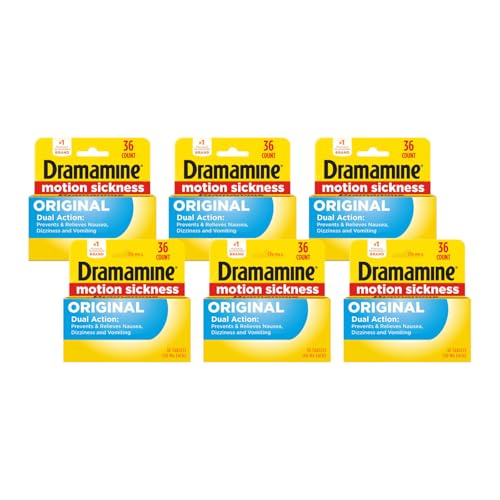
When seas turn unexpectedly rough, Dramamine Original Formula is the go-to fast-acting option that most cruise ship medical centers also stock. Dimenhydrinate works on the inner ear and brain to suppress the conflicting signals that trigger nausea. Take it 30 minutes before boarding or before entering open water. The main trade-off is drowsiness - many users find it causes sleepiness within an hour - which is actually welcome during an overnight open-sea crossing, but less ideal before a walking shore excursion.
Reasons to buy
- Dramamine Motion Sickness Original provides powerful, fast relief from motion sickness whe
- Prevents and relieves nausea, dizziness and vomiting
- Treats symptoms on the spot
- Dramamine is the #1 pharmacist-recommended brand
- Named by Pharmacy Times and U.S. News & World Report as #1 Pharmacist-Recommended Brand fo
Bonine (Meclizine 25mg)
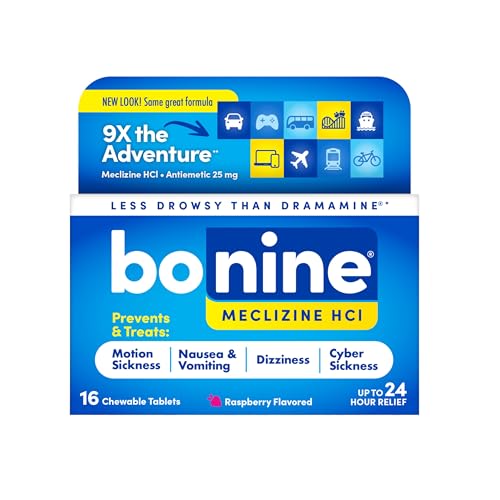
Bonine is the seasoned cruiser's preferred daily preventative. Its active ingredient, meclizine, is taken just once per day and causes significantly less drowsiness than dimenhydrinate. Take it the night before or one hour before boarding, and you're covered for the entire day - including busy shore excursions. Bonine is also available in a chewable tablet form, which absorbs faster and is easier to take without water. It's particularly useful for passengers who know they'll be crossing the Bay of Biscay or sailing overnight in open water.
Reasons to buy
- TAKE BACK THE DAY: Why let nausea or motion sickness ruin your day. With 16 total tablets
- NON-DROWSY RELIEF: No time to get drowsy from treating your motion sickness. Bonine's non-
- CONVENIENT CHEWABLES: Bonine chewable motion sickness tablets are a perfect addition to yo
- FOR ALL LIFE'S ADVENTURES: If car rides, air travel, or boat rides make you nauseous or qu
- 24 HOUR RELIEF: Quick, long-lasting relief for adults and children 12 yrs old and up. For

Gin Gins Ginger Chews
For passengers who prefer a natural approach, Gin Gins Original Ginger Chews by The Ginger People deliver a potent dose of real ginger in a convenient candy format. Ginger has well-documented antiemetic properties - it works on the digestive tract to ease nausea - and it's safe for children, pregnant travelers, and those on medications that interact with antihistamines. Keep a bag in your cabin, your day bag, and at the dinner table. They work best for mild motion sickness and as a complement to other remedies in rougher conditions.
Reasons to buy
- The Original Ginger Chew: Supercharged with more fresh ginger than any other brand, Gin Gi
- Flavorful Taste: Nice and spicy, these tingly, chewy treats are an enjoyable alternative t
- Real, Simple Ingredients: Made with 10% fresh ginger, these chewy treats contain no artifi
- Multipurpose and Versatile: Convenient, individually wrapped candies for your pocket or pu
- #1 IN GINGER: At The Ginger People, we believe in transparency , because what’s in your pro
MQ Motion Sickness Patch (OTC Scopolamine-Type)
Prescription scopolamine patches (Transderm Scop) are the gold standard for serious seasickness prevention, but for cruisers who can't see a doctor before departure, over-the-counter extended-release patches offer a comparable approach. Applied behind the ear at least four hours before boarding, they deliver continuous medication through the skin over 24 to 72 hours - eliminating the need to remember pills on a busy port day. Check ingredients carefully and consult a pharmacist if you take other medications.
Reasons to buy
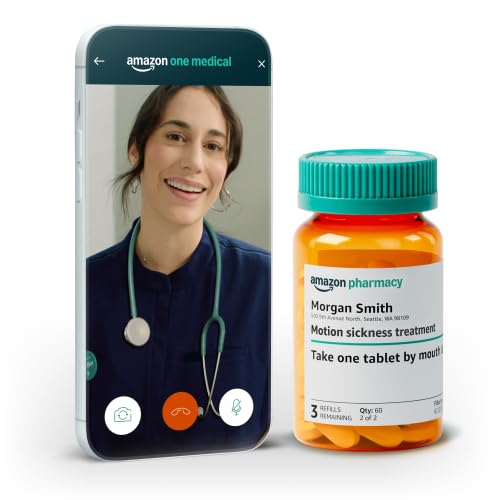
- Amazon One Medical Pay per visit (PPV) telehealth telemedicine video, message. Membership
- Treated by online doctor dr MD nurse practitioner NP physician's assistant PA. FSA/HSA rei
- Treatment for adult human men women man woman para hombre mujer
- Get virtual care, health service, diagnosis, remedy, remedies, symptom reliever, relief, r
- Treated with fda approved drugs or over the counter otc medication not supplements vitamin
What to look for
Timing
Every remedy works better when taken before symptoms start. Don't wait until you're already nauseous to reach for the medication.
Drowsiness tolerance
If you have port days, choose Bonine or Sea-Bands over Dramamine Original. Save the stronger formula for overnight crossings.
Drug interactions
Antihistamines and anticholinergics (scopolamine) can interact with other medications. Check with a pharmacist or physician before combining.
Layering strategies
Many experienced cruisers use Sea-Bands as a baseline all day and keep Bonine in reserve for rough weather forecasts - giving them a drug-free option most of the time and pharmaceutical backup when needed.
Our verdict
No single seasickness remedy works perfectly for every person, so carrying two complementary options - say, Sea-Bands for general prevention and Bonine for rough-weather backup - is the most reliable strategy. The five products above cover the full spectrum from natural to pharmaceutical, daily-use to fast-acting. Pack them before you board, and you'll be ready for whatever the ocean throws at you.
FAQs
Many users find Sea-Bands effective for mild to moderate motion sickness. They apply pressure to the P6 (Nei-Kuan) acupressure point on the wrist and are drug-free, making them safe for children, pregnant travelers, and anyone who wants to avoid drowsiness.
Dramamine's original formula contains dimenhydrinate and is taken every 4-6 hours; it is more likely to cause drowsiness. Bonine contains meclizine and is a once-daily formula that causes less drowsiness, making it preferable for daytime activities on shore excursions.
Yes. Scopolamine (Transderm Scop) patches require a prescription in the United States. They are worn behind the ear and provide up to 72 hours of continuous protection, making them a popular choice for multi-day ocean crossings.
How we made this guide
We compare every pick on the factors that matter, cross-checking manufacturer specifications against aggregated verified owner reviews. We rank independently and never take payment for placement. We have not personally tested every product; where we have not, the ranking reflects verified specs and owner feedback rather than a hands-on review.
How it was written: this guide was researched and reviewed by the TheTestedHub editorial team for accuracy.
Affiliate disclosure: TheTestedHub is reader-supported. When you buy through links on our site, we may earn a commission at no extra cost to you.
Related guides
Contact Lens Cases 2026: Best Multipacks for Hygiene

Makeup Mirror Shortlist: CRI Over Brightness
Hand Sanitizer Dispensers: Choose by Foot Traffic

2026 UV Sanitizers: Verified 254nm Wavelength Picks
Looking for the Best Grab Bars? Our 2026 Picks

Our Top Pill Organizers for 2026

Why Mack’s Pillow Soft Silicone Earplugs Top Our 2026 List
