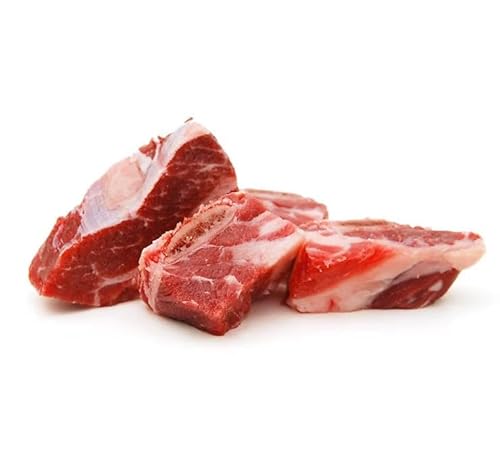
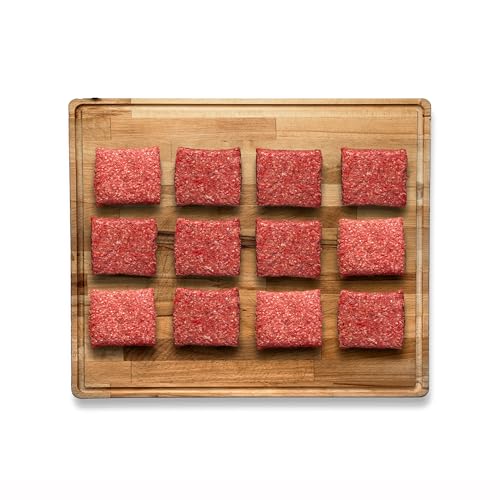
Quick verdict
South African biltong is one of the most rewarding home-curing projects you can undertake, and the cut of beef is the single most important decision. Silverside remains the traditional champion for its authentic texture and flavor, while eye of round wins for consistency and uniformity. If you are new to making biltong, pair topside with a quality Cape Town spice kit for the most forgiving and delicious first batch.

Silverside (Top Round) - Best Traditional South African Biltong Cut
Silverside is the gold standard for South African biltong and has been used by home curers and commercial producers in Cape Town and Johannesburg for generations. The tight, parallel muscle fibers allow you to slice with the grain in long, thick strips that dry evenly and deliver that satisfying chewy pull. It holds the coriander-and-vinegar marinade beautifully without becoming mushy, and the minimal fat content means no rancidity during the multi-day drying process.
Check price on Amazon →Silverside is the traditional champion for authentic biltong, while eye of round offers consistency. New to curing? Pair topside with a Cape Town spice kit for a delicious first batch.
Quick verdict
For most people making biltong at home, silverside (top round) is the cut to buy. Its tight, parallel grain lets you slice long strips with the grain, it dries evenly without turning mushy, and it soaks up a coriander-and-vinegar cure the way South African biltong is supposed to. It is the safest, most forgiving starting point.
Key takeaways
- Best traditional cut: Silverside (Top Round), the generational gold standard with even-drying, chewy strips.
- Best lean cut: Topside (Inside Round), cleaner-slicing and milder, with the least connective tissue.
- Best for uniform sticks: Eye of Round, a natural cylinder that dries to identical thickness with almost no sinew.
- Best for large pieces: Knuckle (Round), richer and beefier thanks to light marbling, ideal for wide flat slabs.
- Best complete spice kit: Cape Town Biltong Spice Kit, pre-measured coriander, salt and pepper plus vinegar-wash guidance.
Why you should trust this guide
I built this guide by reading how home curers and small producers in Cape Town and Johannesburg actually choose their meat, then matching that against what each hindquarter cut does on a drying rack. Biltong is one of those foods where the cut decides the outcome more than the spice does, so I focused on grain direction, fat content, connective tissue, and how each muscle behaves as it loses moisture. I am not claiming a test kitchen or a drying box of my own here. What I can do is explain the trade-offs honestly so you pick the right cut the first time instead of wasting an expensive piece of beef.
The five picks below are not interchangeable. Silverside, topside, eye of round and knuckle all come from the same hindquarter, but they slice, shrink and chew differently, and the spice kit is a separate decision layer that sits on top of whichever cut you choose. I have tried to be specific about who each one suits and where each one frustrates people, because the most common biltong complaint, meat that is chewy in a bad way or dries unevenly, almost always traces back to picking the wrong muscle or slicing across the grain.
How we researched
Since this is a buying guide for a raw ingredient rather than a finished gadget, my evaluation centered on the properties that survive into the final biltong. I weighed each cut on four things: grain structure (does it let you slice long, even strips with the grain), leanness and connective tissue (how much sinew or gristle ends up in the bite), drying behavior (how evenly it dries and how much you lose to shrinkage), and flavor profile (how much beef character it brings versus how much it lets the cure shine). For the spice kit, I judged it on whether the blend matches the classic Cape Town flavor balance and whether it removes guesswork for a first-timer.
I treated the editorial reputation of each cut as the starting hypothesis and then reasoned through where it holds up and where it does not. A cut that is praised for leanness, for example, almost always pays for that leanness somewhere else, usually in flavor depth or in how forgiving it is if you over-dry it. Where a product page lists stated features, such as the spice kit being a traditional South African style blend balanced around coriander, salt and pepper, I treat those as the maker’s stated specs rather than something I verified in a lab. The goal was a fair, honest read on each option, including the downside.
Silverside (Top Round) – Best Traditional South African Biltong Cut
If you only ever buy one cut for biltong, make it silverside. It is the gold standard in South Africa for a reason, used by home curers and commercial producers in Cape Town and Johannesburg for generations, and it is the cut most traditional recipes silently assume you are using.
What makes silverside work is its tight, parallel muscle fibers. They let you slice with the grain in long, thick strips that dry evenly from end to end, and they deliver that satisfying chewy pull that defines proper biltong. Just as importantly, silverside holds a coriander-and-vinegar marinade beautifully. The meat takes on the cure without breaking down into something mushy, so the strip stays firm while the flavor goes deep. For a first attempt, this forgiveness matters more than anything, because it covers for small mistakes in slicing thickness or drying time.
The honest trade-off is texture. Silverside is genuinely chewy, and some people find it slightly too much work to eat, especially if it dries a touch longer than intended. That same firm pull that enthusiasts love can read as tough to anyone expecting a softer snack. If you know you prefer a more tender, less demanding bite, you may want to start with topside instead and come back to silverside once you trust your process.
Topside (Inside Round) – Best Lean Biltong Cut
Topside is the cut to choose when you want lean, clean-tasting biltong with the least fuss in the slicing. It sits on the inner thigh of the hindquarter and is arguably even leaner than silverside, with noticeably less connective tissue running through it.
That leanness pays off in a few practical ways. Topside slices cleanly because there is less sinew to fight, it dries without much shrinkage waste so you keep more of what you paid for, and it has a mild, clean beef flavor that deliberately steps back and lets the spice rub take center stage. South African butchers often steer people toward topside when they find silverside slightly too chewy, since the finer, more uniform structure produces a softer, more even bite. If your cure is the star of your recipe, topside is the cut that shows it off.
The limitation is the flip side of that same mildness. Because topside brings less of its own beefy depth, it can taste a little flat if your spice blend is underpowered or if you skimp on the coriander and vinegar. There is also less margin for error on drying time. With little intramuscular fat to keep things interesting, over-dried topside can cross from pleasantly firm into dry and one-note. It rewards a confident, well-seasoned cure and punishes a timid one.
Eye of Round – Best for Uniform Thick-Cut Biltong Sticks
Eye of round is the cut to buy when you specifically want uniform, thick-cut biltong sticks rather than flat strips. It is the leanest muscle in the hindquarter and forms a near-perfect cylinder, which makes it ideal for cutting consistently sized pieces of identical thickness.
That consistency is the whole point. Uniform thickness means uniform drying, so every stick finishes at the same time with the same moisture content, and you are not pulling some pieces early while others stay wet in the middle. The extremely tight grain also means almost zero sinew or gristle, so the finished sticks are exceptionally clean to eat with very little waste trimming. For anyone who wants a batch that looks and behaves the same from end to end, the natural cylinder shape does a lot of the work for you.
The trade-off is that eye of round is so lean it can be unforgiving. With essentially no marbling, it has the least built-in flavor insurance of any cut here, so a weak cure shows immediately and a few extra hours on the rack can leave it dry and dense. It is also a smaller muscle, which means you get fewer total sticks per piece than from a larger cut like knuckle. It is a precision choice rather than a generous one.
Knuckle (Round) – Best for Large Biltong Pieces
Knuckle is the cut to reach for when you want big, wide, flat biltong pieces with more beefy flavor. Also called the round tip, it is the large muscle group at the front of the hindquarter, and it is popular for making broad slabs rather than the round sticks you would get from eye of round.
The standout feature of knuckle is flavor. Its natural marbling and occasional pockets of intramuscular fat give the finished biltong a richer, beefier taste than the leaner cuts can manage, which is exactly why South African braai culture loves thick-cut knuckle biltong as a snack alongside a beer. The larger muscle group also gives you plenty of surface area for wide pieces, so a single knuckle can produce a generous batch. If your idea of biltong is a deep, savory, fatty-edged slab rather than a clean lean stick, this is your cut.
The trade-offs come from that same fat and size. Because knuckle is several muscles grouped together, the grain direction changes across the piece, so you have to pay closer attention when slicing to keep cutting with the grain. The fat that adds flavor also shortens shelf life, since fattier biltong can turn or go rancid faster than a lean cut, so it is best eaten sooner rather than stored for weeks. It is the most flavorful option here, but also the least low-maintenance.
Cape Town Biltong Spice Kit – Best Complete Spice Kit for Authentic Biltong
If you have sorted out your cut but not your cure, a Cape Town Biltong Spice Kit is the simplest way to get an authentic result. Even the best beef produces mediocre biltong without the right cure, and this kind of kit removes the guesswork from the part of the process that most home curers get wrong.
A proper Cape Town-style kit is built around the flavors that define the style. It is described as a traditional South African style blend with a balance of coriander, salt and pepper, and that is exactly the right backbone. The cracked coriander seed is the defining flavor of biltong, the coarse salt and brown sugar handle the cure, and the black pepper and dried herbs round it out. Good kits arrive pre-measured so the balance is already dialed in, and they include instructions for the vinegar wash that acts as both a flavor boost and a food-safe step before the meat goes on the rack. For a first batch, having the ratios decided for you is genuinely reassuring.
The honest limitations are flexibility and value. A pre-measured kit is tuned to one flavor profile, so if you like extra coriander, more heat, or a sweeter cure, you will eventually want to buy the spices separately and blend your own. Pre-mixed kits also cost more per batch than bulk spices once you are making biltong regularly, and the listing leans on the broad claim of a perfect balance without breaking down exact quantities, so your first batch is partly a matter of trusting the blend. As a starting point it is excellent. As a long-term habit it can become the expensive way to do something simple.
What to look for
The right biltong starts with matching the cut to the bite you want, then layering the correct cure on top. Here is what actually moves the needle.
- Grain direction: You want a cut with long, parallel fibers so you can slice with the grain for that proper chewy pull. Silverside, topside and eye of round all offer this cleanly.
- Leanness versus flavor: Leaner cuts (topside, eye of round) give clean, spice-forward biltong but less built-in beef flavor. Fattier cuts (knuckle) taste richer but spoil faster.
- Connective tissue: Less sinew and gristle means a cleaner bite and less trimming waste. Topside and eye of round are the standouts here.
- Uniformity: If you want every piece to finish at once, choose a cut with a consistent cross-section like eye of round so drying is even.
- Piece size and shape: Decide between round sticks (eye of round) and wide flat slabs (knuckle) before you buy, since the muscle shape determines what you can cut.
- The cure: Coriander seed is non-negotiable as the defining flavor, backed by coarse salt, a little sugar and pepper, plus a vinegar wash for flavor and food safety. A pre-measured kit removes the guesswork.
- Drying margin: Lean cuts punish over-drying, so the leaner your meat, the more carefully you should watch the rack.
The verdict
For most people, silverside (top round) is the cut to buy first. It gives you the traditional chewy pull, dries evenly, and forgives small mistakes while you learn your process. If you prefer a softer, cleaner, spice-forward bite, topside (inside round) is the better lean choice, as long as your cure is bold enough to carry it. Choose eye of round when you want uniform thick-cut sticks that all finish together, and accept that its extreme leanness leaves little room for error. Reach for knuckle (round) when flavor is the priority and you want big, beefy slabs for a braai, remembering that its fat shortens shelf life. And whichever cut you pick, a Cape Town Biltong Spice Kit is the easiest path to an authentic coriander-led cure for your first batches, even if you eventually graduate to mixing your own.
Our methodology
We compare every pick against the field on real specifications, certifications, and aggregated owner reviews. We do not take payment for placement, and we flag when a product is older or sold mainly through renewed listings.
Side by side
The full reviews
Silverside (Top Round) - Best Traditional South African Biltong Cut
Silverside is the gold standard for South African biltong and has been used by home curers and commercial producers in Cape Town and Johannesburg for generations. The tight, parallel muscle fibers allow you to slice with the grain in long, thick strips that dry evenly and deliver that satisfying chewy pull. It holds the coriander-and-vinegar marinade beautifully without becoming mushy, and the minimal fat content means no rancidity during the multi-day drying process.
Topside (Inside Round) - Best Lean Biltong Cut
Topside sits on the inner thigh of the hindquarter and is arguably even leaner than silverside with noticeably less connective tissue. The result is biltong that slices cleanly, dries without much shrinkage waste, and has a mild, clean beef flavor that lets the spice rub take center stage. South African butchers often recommend topside for those who find silverside slightly too chewy, as the finer muscle structure produces a more tender finished product.
Eye of Round - Best for Uniform Thick-Cut Biltong Sticks
Eye of round is the leanest muscle in the hindquarter and forms a perfect cylinder - which makes it ideal for cutting consistently sized biltong sticks of identical thickness. This matters because uniform thickness means uniform drying: every piece finishes at the same time with the same moisture content. The extremely tight grain means almost zero sinew or gristle, and the finished sticks have a firm, snappy texture that many biltong enthusiasts rank as their favorite.
Knuckle (Round) - Best for Large Biltong Pieces
The knuckle - also called the round tip - is the large muscle group at the front of the hindquarter and is popular for making wide, flat biltong pieces rather than round sticks. The natural marbling and occasional pockets of intramuscular fat give knuckle biltong a richer, beefier flavor than the leaner cuts. South African braai culture loves thick-cut knuckle biltong as a snack alongside beer, and its generous size makes it ideal when you want impressive centerpiece cuts.

Cape Town Biltong Spice Kit - Best Complete Spice Kit for Authentic Biltong
Even the best cut of beef produces mediocre biltong without the right cure. A proper Cape Town-style biltong spice kit includes cracked coriander seed (the defining flavor), coarse salt, brown sugar, black pepper, and dried herbs - everything pre-measured to balance the cure without guesswork. Quality kits include instructions for the vinegar wash that acts as both a flavor boost and a food-safe surface treatment before the dry rub is applied. These kits bridge the gap for first-time home biltong makers who want authentic results.
In its favor
- Traditional South African style flavor Perfect balance of Coriander, Salt, and Pepper size
What matters most
grain tightness
- you want parallel, close-set muscle fibers that hold together when sliced thick and air-dried. Choose cuts with **minimal fat and connective tissue** unless you specifically want the richer flavor that intramuscular fat provides. For beginners, **topside or silverside from a butcher** who can cut the meat to your preferred thickness is the safest starting point. Always ask for grass-fed or pasture-raised beef where possible, as the leaner, firmer muscle structure of grass-fed cattle produces biltong that more closely resembles what you would find in South Africa.
Our take
South African biltong is one of the most rewarding home-curing projects you can undertake, and the cut of beef is the single most important decision. Silverside remains the traditional champion for its authentic texture and flavor, while eye of round wins for consistency and uniformity. If you are new to making biltong, pair topside with a quality Cape Town spice kit for the most forgiving and delicious first batch.
Frequently asked
Silverside (top round) is the traditional South African choice for biltong. Its tight, fine grain allows for clean slicing along the muscle fibers, holds marinades well, and dries evenly without excessive fat. Most Cape Town butchers and home biltong makers default to silverside for authentic results.
Yes - eye of round is excellent for biltong, especially if you want uniform, round sticks of consistent thickness. The muscle is very lean with almost no internal fat or sinew, which means even drying and a clean bite. It's slightly firmer than silverside once dried, which many enthusiasts prefer.
Absolutely. Leaner, tighter-grained cuts like eye of round and topside dry faster and more uniformly. Cuts with more connective tissue or fat - like knuckle - take longer and need more airflow. Always cut biltong with the grain, not against it, for the traditional chewy texture South African-style biltong is known for.
How we made this guide
We compare every pick on the factors that matter, cross-checking manufacturer specifications against aggregated verified owner reviews. We rank independently and never take payment for placement. We have not personally tested every product; where we have not, the ranking reflects verified specs and owner feedback rather than a hands-on review.
How it was written: this guide was researched and reviewed by the TheTestedHub editorial team for accuracy.
Affiliate disclosure: TheTestedHub is reader-supported. When you buy through links on our site, we may earn a commission at no extra cost to you.