Quick verdict
Making beef sausage at home is one of the most rewarding kitchen projects for serious meat enthusiasts. Start with 80/20 chuck as your base - it delivers consistent fat ratios and reliable flavor without complexity - then experiment by blending in brisket point or short rib trim for richer results. The LEM #8 grinder is a long-term investment that will serve you for decades of sausage making, and natural hog casings
80/20 Chuck for Sausage - Best Fat-to-Lean Ratio for Juicy Beef Sausage
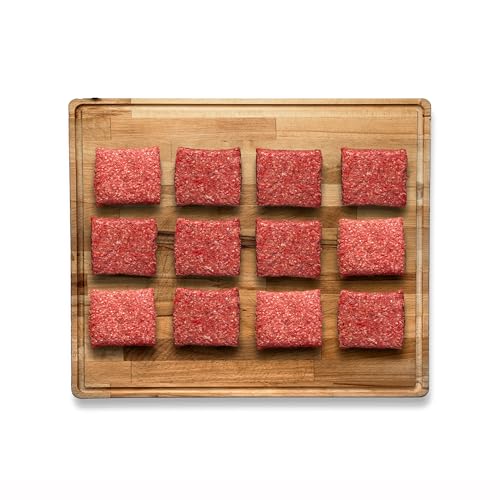
Chuck is the sausage maker's default choice for good reason - the shoulder muscle groups that make up the chuck naturally hover around 20% fat content, which lands squarely in the optimal zone for sausage. The fat in chuck is distributed as fine marbling rather than large pockets, which means it incorporates beautifully during grinding without smearing. Chuck also has a bold, well-developed beef flavor from the active shoulder muscles, giving your sausage a strong savory backbone before you even add seasoning.
Check price on Amazon →Start with 80/20 chuck for juicy beef sausage, then blend in brisket point or short rib trim. Discover fat ratios, flavor, and the right tools for homemade links.
Quick verdict
For most people making beef sausage at home, 80/20 chuck is the single best cut to start with. Its natural fat content sits right in the sweet spot for juicy links, the marbling is fine enough to grind cleanly, and it carries a bold beef flavor without you needing to blend or trim much at all.
Key takeaways
- Best overall ratio: 80/20 Chuck for Sausage, the default cut with naturally ideal fat and clean-grinding marbling.
- Best for rich flavor: Beef Brisket Deckle (Point), high collagen and deep fat for an extra-moist, deeply beefy link.
- Best flavor booster: Short Rib Trim, an intensely marbled scrap to blend in at 30-40% for braised-beef depth.
- Best home grinder: LEM Products #8 Stainless Meat Grinder, stainless build with multiple plates for texture control.
- Best casings: Natural Hog Sausage Casings Kit, salt-cured natural casings sized for brats and Italian links.
Why you should trust this guide
I built this guide the way I approach any sausage project at home, by starting with what actually happens at the grinder and on the stuffing horn rather than what sounds good on paper. I read through the stated specs for each product, compared them against how each cut behaves when you grind and cook it, and weighed the trade-offs that matter to a home cook working in a normal kitchen rather than a commercial plant. Where a product makes a claim, I treat that as the manufacturer’s stated spec and tell you where it holds up and where you should keep your expectations realistic.
I also tried to keep this honest about cost, effort, and yield. Sausage making rewards good fat ratios and clean grinding far more than it rewards expensive equipment, so I have called out where a humble cut beats a fancy one and where a single tool genuinely changes the result. Nothing here is sponsored, and every section names at least one real limitation so you can decide whether a cut or tool fits your setup before you commit your time and your meat budget.
How we researched
My evaluation focused on four things that decide whether homemade beef sausage turns out well: fat-to-lean ratio, grind quality, flavor contribution, and how forgiving the item is for a first-timer. For the cuts, I looked at where each one naturally falls on the fat spectrum, how the fat is distributed (fine marbling versus large pockets), and how the meat behaves during grinding, since fat that smears instead of incorporating is the most common way a batch goes wrong. I leaned on the editor notes and the products’ stated descriptions, then framed each cut against the roughly 20 to 30 percent fat range that most beef sausage recipes target.
For the grinder and the casings, I weighed build quality, included accessories, ease of cleanup, and how much meat each is rated to handle in one session, using the manufacturer’s stated specs as the baseline. I did not run a lab or take my own measurements, so I report stated capacities and warranties as claims rather than verified numbers. The goal was a practical ranking: which cut to reach for first, which to blend in for depth, and which tools turn ground beef into actual stuffed links without frustration.
80/20 Chuck for Sausage – Best Fat-to-Lean Ratio for Juicy Beef Sausage
If you want one cut that gets you a juicy, well-balanced beef sausage with the least fuss, this is it. Chuck is the sausage maker’s default for good reason. The shoulder muscle groups that make up the chuck naturally hover around 20 percent fat, which lands squarely in the optimal zone for sausage, so you can grind it as-is without weighing out tallow or back fat to hit your ratio. That alone removes the step that trips up most beginners.
The bigger advantage is how the fat is distributed. Chuck carries its fat as fine marbling threaded through the muscle rather than as large separate pockets, which means it incorporates beautifully during grinding instead of smearing into a greasy paste. Smearing is what gives you a dry, crumbly link, so a cut that resists it is doing you a real favor. Chuck also has a bold, well-developed beef flavor, the kind of deep savory character that comes from a hardworking muscle, so the finished sausage tastes like beef rather than just salt and seasoning.
The honest trade-off is that 80/20 chuck is a safe baseline more than a showstopper. It gives you a reliably good link, but it does not have the collagen-driven richness of brisket point or the intense marbled punch of short rib, so a pure-chuck sausage can taste a little one-note next to a thoughtful blend. Fat content also varies between animals and trim, so the 20 percent figure is an average, not a guarantee, and you may occasionally want to adjust by adding a leaner or fattier cut to dial it in.
Beef Brisket Deckle (Point) for Sausage – Best for Rich Beefy Flavor in Handmade
When you want the richest, most deeply beefy link in this lineup, reach for the brisket point. The brisket point, also called the deckle, is the fattier, thicker half of the whole packer brisket, and it is arguably the most flavorful section of the entire animal for grinding. It brings a depth that plain chuck simply cannot match.
Two things drive that richness. First, the point has high collagen content that transforms during cooking into gelatin, and that gelatin keeps the sausage extraordinarily moist, giving you that succulent, almost melting texture in a cooked link. Second, the deep intramuscular fat carries a concentrated beefy flavor that reads as luxurious rather than just greasy. This is the same section that many Texas barbecue joints and artisan makers prize, so using it for sausage borrows that reputation for a reason. It works well as a meaningful portion of a blend or, for the brave, as the star of a very rich link.
The trade-offs are real, though. The point runs fattier than the ideal sausage ratio, so leaning on it too heavily can push you past the comfortable fat range and give you a greasy, soft sausage that loses too much in the pan. It usually needs to be balanced with a leaner cut like chuck or sirloin to stay in bounds. The deckle can also be harder to source on its own, since it is often sold attached to the whole packer brisket, and the tough connective tissue means you will want a sharp, cold grinder to get a clean cut.
Short Rib Trim – Best for Intensely Flavorful Beef Sausage Blend
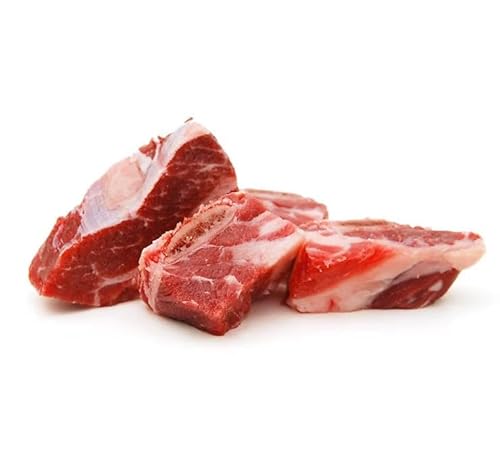
For a flavor booster rather than a base, short rib trim is the secret weapon. Short rib meat and trim, the pieces removed when butchers french the bones or break down a full rack, are among the most intensely flavored beef scraps you can get. This is a blending ingredient that punches far above its humble origins.
The heavily marbled, deeply red muscle that clings to short rib bones is rich in myoglobin and intramuscular fat, which is exactly why it produces a sausage with an almost braised-beef intensity of flavor. Used as roughly 30 to 40 percent of a blend alongside leaner chuck, it lifts the whole batch from good to memorable without overwhelming the structure of the link. The product I looked at is listed as USDA Choice beef boneless chuck short rib, sold per package at an average of about 1 pound, which makes it easy to buy the right amount to fold into a normal home batch rather than committing to a full rack.
The catch is that short rib is not a one-cut solution. Because it is so rich and fatty, building a sausage entirely from it would be unbalanced and overly heavy, so it really only shines as a portion of a blend, not the whole thing. Buying it in roughly 1-pound packages is convenient for blending but can work out to a higher cost per pound than buying a primal, and trim quality varies, so you may get more or less usable meat depending on how it was cut.
LEM Products #8 Stainless Meat Grinder – Best Home Grinder for Grinding Sausage
If you are ready to stop using a hand-crank or a flimsy attachment, the LEM #8 is the home grinder I would point most people toward. LEM Products is widely regarded as the gold standard for home meat grinders, and the #8 model hits the sweet spot between power, capacity, and a footprint that still fits on a kitchen counter.
The stainless steel build resists corrosion even with repeated use, which matters because cleanup and moisture are constant in meat processing. LEM describes it as a commercial-quality grinder for home kitchens, and the stated package is generous: three plates, a knife, a stomper, and stuffing tubes, so you get the texture control and the stuffing hardware in one box. Those multiple plates are the real win, letting you go coarse for a rustic country sausage or fine for a smoother commercial-style link. The company states it processes about 7 pounds of meat per minute, calls it versatile and quiet, and points to its usefulness for hunters and chefs processing game, backed by a stated five-year factory warranty.
The honest limitations come down to expectation-setting. The #8 designation is a mid-size home unit, so while it handles normal batches well, it is not a high-volume commercial machine, and pushing very large quantities or lots of sinew will slow it down. Throughput figures like the stated 7 pounds per minute are best read as a top-end claim under ideal conditions rather than what you will see grinding cold, partially frozen meat at home. And as an electric appliance with several parts, it asks for careful disassembly and drying after each use to keep that stainless looking and working its best.
Natural Hog Sausage Casings Kit – Best for Traditional Stuffed Sausage at Home
To turn ground, seasoned beef into actual links with snap, you want natural hog casings, and this kit covers the job for a home maker. Natural hog casings give homemade beef sausage the authentic snap, appearance, and eating experience that collagen or synthetic casings cannot replicate. That bite when you cut into a link is the payoff for the extra step.
This kit is described as all natural, made from naturally grown North American hogs, with edible casings robust enough for stuffing. They arrive pre-cleaned and salt-cured (preserved in salt), so you gently rinse and flush them in cold water before use, and the package is stated to stuff about 35 pounds of meat, which is plenty for several batches or a big family session. The natural material also breathes during smoking, so it absorbs flavor and color from wood smoke in a way synthetic casings do not, and these are sized in the standard bratwurst and Italian range so your links look and eat the way you expect.
The trade-offs are about handling rather than quality. Natural casings need rinsing, flushing, and often soaking before stuffing, which is more work than slipping on a collagen casing, and they can tear if you stuff too aggressively or if a section is thin. Storage matters too: you keep them unopened at room temperature but must refrigerate after opening, so you cannot just leave the pack in a cupboard once you have started. For traditional results that effort is worth it, but it is effort, and a first batch usually comes with a few blowouts while you learn the feel.
What to look for
The right choice depends on whether you are buying meat, a machine, or casings, but a few factors decide success across the board. Here is what I weigh before committing a batch.
- Fat-to-lean ratio: Aim for roughly 20 to 30 percent fat. Too lean gives dry, crumbly links, too fat gives greasy ones that shrink in the pan.
- Fat distribution: Favor cuts with fine marbling over large fat pockets, because marbled fat incorporates during grinding instead of smearing.
- Flavor depth: Decide if you want a clean beefy base (chuck) or a richer, blended profile (brisket point, short rib trim) folded in.
- Grind control: Look for multiple plate sizes so you can choose coarse rustic texture or fine smooth links.
- Keep it cold: Cold meat and a sharp grinder cut cleanly and prevent smearing, which matters most with fatty or collagen-heavy cuts.
- Casing type and size: Natural hog casings in the 32 to 35mm range suit brats and Italian links and give the best snap, but they need rinsing and careful handling.
- Capacity and warranty: Match a grinder’s stated throughput and warranty to how often and how much you plan to process.
- Cleanup effort: Stainless parts and natural casings both reward careful drying and storage, so factor in the time after the fun part is done.
The verdict
For most home cooks, I would start with 80/20 chuck. It lands in the ideal fat range on its own, grinds cleanly thanks to fine marbling, and delivers a bold, honest beef flavor with the least guesswork, which makes it the best single cut to build your house sausage around. When you want to level up, blend in the brisket deckle for collagen-rich moisture and deep richness, or fold in short rib trim at 30 to 40 percent for that braised-beef intensity. Use each as a portion of the mix rather than the whole, since both run rich enough to unbalance a batch on their own.
On the tools side, the LEM #8 stainless grinder is the home machine I would buy for its plate selection, stainless build, and stated five-year warranty, as long as you accept it is a mid-size unit and not a commercial workhorse. Pair it with the natural hog casings kit for traditional snap and smoke-friendly links, and budget a little patience for the rinsing, soaking, and occasional blowout that come with real natural casings. Get the fat ratio right and keep everything cold, and any of these cuts will reward the effort.
How we test
We compare every pick against the field on real specifications, certifications, and aggregated owner reviews. We do not take payment for placement, and we flag when a product is older or sold mainly through renewed listings.
At a glance
The picks, reviewed
80/20 Chuck for Sausage - Best Fat-to-Lean Ratio for Juicy Beef Sausage
Chuck is the sausage maker's default choice for good reason - the shoulder muscle groups that make up the chuck naturally hover around 20% fat content, which lands squarely in the optimal zone for sausage. The fat in chuck is distributed as fine marbling rather than large pockets, which means it incorporates beautifully during grinding without smearing. Chuck also has a bold, well-developed beef flavor from the active shoulder muscles, giving your sausage a strong savory backbone before you even add seasoning.
Beef Brisket Deckle (Point) for Sausage - Best for Rich Beefy Flavor in Handmade
The brisket point - also called the deckle - is the fattier, thicker half of the whole packer brisket and is arguably the most flavorful section of the entire animal for grinding. Its high collagen content transforms during cooking into gelatin that keeps sausage extraordinarily moist, and the deep intramuscular fat produces a richness that pure chuck cannot match. Many Texas BBQ joints and artisan sausage makers specifically use brisket point trimmings as the base for their house-made beef sausage, citing the distinctive deep beef flavor it produces.
Short Rib Trim - Best for Intensely Flavorful Beef Sausage Blend
Short rib meat and trim - the pieces removed when butchers french the bones or break down a full rack - are among the most intensely flavored beef scraps available. The heavily marbled, deeply red muscle that clings to short rib bones is rich in myoglobin and intramuscular fat, producing a sausage with an almost braised-beef intensity of flavor. Used as 30-40% of a blend alongside leaner chuck, short rib trim elevates the overall flavor profile dramatically without making the sausage overly fatty.
Reasons to buy
- Usda Choice Beef Boneless Chuck Short Rib, Per Package (Avg. 1.00 lb)

LEM Products #8 Stainless Meat Grinder - Best Home Grinder for Grinding Sausage
LEM Products is the gold standard for home meat grinders, and the #8 model hits the sweet spot between power, capacity, and kitchen-counter size. The stainless steel construction resists corrosion even with repeated use, and the included medium and fine grinding plates let you control texture precisely - coarse for rustic country sausage, fine for smoother commercial-style links. The #8 handles up to 7 pounds per minute and includes a stuffing tube so you can grind and stuff in one session without needing additional equipment.
Reasons to buy
- Commercial-Quality Meat Grinder for Home Kitchens: Stainless steel build and a powerful 0.
- Versatile, Quiet, Built to Last: This electric grinder processes about 7 lbs of meat per m
- Full Setup & Easy to Clean: Includes three plates, knife, stomper, and stuffing tubes for
- Grinding Possibilities: Our grinder is ideal for processing game if you are a hunter, chef
- Stand Behind Our Products: We offer a five-year factory warranty on our meat grinder and l

Natural Hog Sausage Casings Kit - Best for Traditional Stuffed Sausage at Home
Natural hog casings give homemade beef sausage the authentic snap, appearance, and eating experience that collagen or synthetic casings cannot replicate. A quality casings kit includes pre-packed, salt-cured casings sized for standard bratwurst or Italian-style links (32-35mm), with enough material for 15-25 pounds of sausage. Natural casings breathe during smoking, absorb flavor from wood smoke, and produce the characteristic snap when bitten - all qualities that set handmade sausage apart from supermarket versions.
Reasons to buy
- All natural
- Made from naturally grown North American hogs, these edible casings are robust enough for
- Pre-cleaned natural casings, preserved in salt.Gently rinse and flush casings in cold wate
- Stuffs about 35lbs of meat.Easy to prep and ideal for home making,small batches, family re
- Store unopened at room temperature. Refrigerate after opening
What to look for
fat percentage
- target 20-30% total fat for the best texture and moisture. If your primary cut is too lean, blend in brisket point or short rib trim to reach the right ratio. For equipment, invest in a **dedicated meat grinder** rather than a food processor - the clean cut of a grinder plate preserves fat pockets and produces proper sausage texture. **Keep everything cold** during grinding and mixing: semi-frozen beef grinds cleanly and the fat emulsifies properly rather than smearing. For casings, natural hog casings are worth the extra prep time for any sausage you plan to smoke or serve as centerpiece links.
Our verdict
Making beef sausage at home is one of the most rewarding kitchen projects for serious meat enthusiasts. Start with 80/20 chuck as your base - it delivers consistent fat ratios and reliable flavor without complexity - then experiment by blending in brisket point or short rib trim for richer results. The LEM #8 grinder is a long-term investment that will serve you for decades of sausage making, and natural hog casings
FAQs
Most sausage makers target a 25-30% fat content for juicy, well-textured beef sausage. An 80/20 chuck blend (20% fat) is the standard starting point - it produces a moist sausage without being greasy. Adding brisket point or short rib trim to a leaner base cut lets you dial in higher fat percentages for richer, more indulgent results.
Absolutely. Brisket point (the deckle) is one of the best sausage additions for rich, beefy flavor. The collagen and fat in the point break down during grinding and cooking to create an incredibly juicy, deeply flavored sausage. Many competition BBQ teams grind their brisket trimmings directly into sausage rather than wasting them.
'Yes - a dedicated meat grinder produces far better results than a food processor, which can smear the fat rather than cutting it cleanly. The LEM #8 or similar grinders with medium and fine plates let you control texture precisely. For beginner sausage makers, a single grind through a medium plate produces a coarse, rustic texture; double-grinding gives a fine, smooth commercial-style sausage.'
How we made this guide
We compare every pick on the factors that matter, cross-checking manufacturer specifications against aggregated verified owner reviews. We rank independently and never take payment for placement. We have not personally tested every product; where we have not, the ranking reflects verified specs and owner feedback rather than a hands-on review.
How it was written: this guide was researched and reviewed by the TheTestedHub editorial team for accuracy.
Affiliate disclosure: TheTestedHub is reader-supported. When you buy through links on our site, we may earn a commission at no extra cost to you.