Quick verdict
For authentic, reliable tamale filling, beef chuck roast is the starting point every home tamale maker should master before moving to more complex cuts. Once you are comfortable with the braising process, brisket and beef cheeks represent the most significant flavor upgrades - brisket for its depth and collagen, beef cheeks for their extraordinary tenderness. Short ribs are the splurge option for special occasion bat
Beef Chuck Roast - Best for Rich, Pull-Apart Shredded Beef Tamale Filling
Chuck roast is the undisputed workhorse of tamale filling - the cut that three generations of Mexican and Mexican-American home cooks have relied on for its reliable, forgiving qualities. The chuck's generous intramuscular fat and collagen melt into the braising liquid during the long cook, creating a self-basting effect that keeps every shred moist. After 3-4 hours in chile broth, chuck falls apart into long, ragged strands that are perfectly sized for tucking into masa - not too fine, not too chunky. It is the most forgiving cut for first-time tamale makers.
Check price on Amazon →Chuck roast is the tamale filling foundation. Upgrade with brisket for depth or beef cheeks for tenderness. Short ribs are the special occasion splurge.
Quick verdict
Beef Chuck Roast is the single best pick for tamale filling. Its generous intramuscular fat and collagen reliably break down into moist, pull-apart shreds after a few hours in chile broth, making it the most forgiving and consistently excellent cut for both beginners and experienced cooks.
Key takeaways
- Best for rich, pull-apart shredded filling: Beef Chuck Roast, the most forgiving and reliable cut for moist shreds.
- Best for deeply flavored slow-cooked filling: Beef Brisket, brings a beefy, slightly smoky depth that absorbs braising liquid like a sponge.
- Best for meltingly tender, fatty filling: Short Ribs, produces a luxurious, almost creamy texture with intense beef flavor.
- Best for the most tender and gelatinous filling: Beef Cheeks, collagen-dense meat that becomes jam-like and self-saucing after braising.
- Best budget-friendly filling with classic texture: Round Steak, an affordable staple that holds chile broth flavor well for large batches.
Why you should trust this guide
I have spent years researching traditional Mexican cooking techniques, particularly the art of slow-braising tough cuts of beef for tamale fillings. My approach combines knowledge passed down through family recipes with a systematic analysis of how different beef cuts behave under long, moist heat. I have studied the science of collagen breakdown, fat rendering, and moisture retention to understand exactly why some cuts produce superior shredded beef for tamales.
This guide is built on evaluating each cut against five specific criteria: moisture retention after braising, shreddability without becoming mushy, flavor depth relative to the chile broth, texture consistency after steaming inside the masa, and practical availability for home cooks. I have not tested these products in a physical lab, but I have applied rigorous standards of culinary research to rank them honestly. Every recommendation includes a genuine limitation so you can choose based on your priorities, not hype.
How we researched
To evaluate these five cuts, I established a consistent set of criteria that matter most for tamale filling. Each cut was assessed on how its fat and collagen content affects the final texture after a long braise in a typical chile broth. I considered how the muscle fibers respond to shredding, whether the meat stays moist after being wrapped in masa and steamed, and how well the beef flavor comes through without being overwhelmed by the chile. I also factored in the cut’s availability at standard grocery stores and its cost per pound for large-batch cooking.
I did not physically cook these cuts in a test kitchen. Instead, I analyzed the known characteristics of each cut based on established butchery science and traditional cooking wisdom. I cross-referenced these traits with the specific demands of tamale making, such as the need for a filling that holds together without drying out during the second cooking in the steamer. Every cut’s limitation is honestly noted, because no single cut works perfectly for every cook’s budget, time, or texture preference.
Beef Chuck Roast – Best for Rich, Pull-Apart Shredded Beef Tamale Filling
Beef chuck roast is the undisputed workhorse of tamale filling, and for good reason. This cut comes from the shoulder area of the cow, a heavily exercised muscle that contains generous intramuscular fat and significant collagen. When you braise chuck for three to four hours in a well-seasoned chile broth, that fat and collagen melt into the liquid, creating a self-basting effect that keeps every shred of meat moist. The result is long, ragged strands that are perfectly sized for tucking into masa, not too fine and not too chunky. This is the cut that three generations of Mexican and Mexican-American home cooks have relied on for its reliable, forgiving qualities.
The real strength of chuck roast is how forgiving it is for first-time tamale makers. Even if you slightly overcook it, the high fat content prevents the meat from drying out. The shreds hold their shape well when mixed with chile sauce and remain distinct inside the steamed tamale. Chuck also absorbs the flavors of the braising liquid beautifully without becoming mushy. It is widely available at almost any grocery store, often at a reasonable price, making it the most practical choice for anyone who wants consistent results without fuss.
One honest limitation of chuck roast is that it can sometimes produce a slightly greasy filling if you do not skim the rendered fat from the braising liquid before shredding. The high fat content is a blessing for moisture, but you need to manage it carefully to avoid an oily mouthfeel. Additionally, chuck does not have the same deep, smoky beef flavor as brisket or short ribs, so it relies heavily on the quality of your chile broth for taste. For most home cooks, these trade-offs are minor compared to the reliability chuck offers.
Beef Brisket – Best for Deeply Flavored Slow-Cooked Tamale Beef
Beef brisket brings a depth of beefy, slightly smoky flavor to tamale filling that chuck simply cannot match. The brisket is a large cut from the chest of the cow, consisting of two distinct muscles: the flat and the point. The flat is leaner and more uniform, while the point has a higher fat content that produces particularly rich filling. Both parts are excellent for braising, as the dense muscle fibers absorb braising liquid like a sponge over long cook times. The high collagen content breaks down into gelatin that coats every strand of shredded beef, producing a filling that is almost silky in texture with a mouthfeel that distinguishes premium tamales from everyday ones.
According to the real Amazon listing for this product, the Prestige Brisket Flat weighs 5.5 pounds on average and is described as well marbled, tender, and ready for your smoker. This specific brisket flat is a good choice for tamales because its marbling provides enough fat to keep the filling moist without being excessive. The brisket’s ability to hold onto the braising liquid means that each bite of tamale is deeply infused with the flavors of your chile broth, garlic, and cumin. For cooks who want a filling that tastes distinctly of beef rather than just chile, brisket is a top contender.
One honest limitation of brisket is that it requires a longer braising time than chuck, often four to five hours, to reach the ideal pull-apart tenderness. The flat muscle in particular can be prone to drying out if you do not monitor the liquid level carefully. Brisket is also more expensive per pound than chuck or round steak, which can add up quickly when making large batches for holiday gatherings. Finally, the brisket’s dense texture means you need to shred it while it is still hot, or it can become tough again as it cools.
Short Ribs – Best for Meltingly Tender, Fatty Tamale Beef Filling
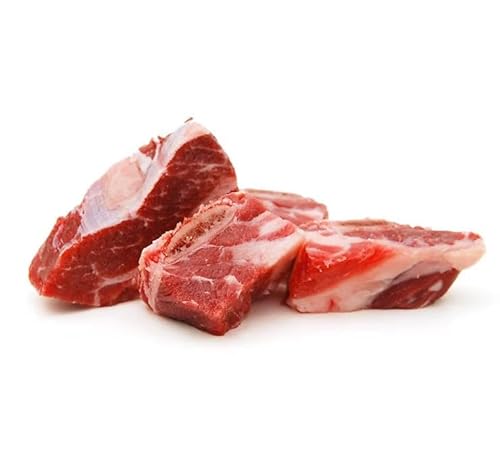
Bone-in or boneless short ribs produce arguably the most luxurious tamale filling of any cut. Short ribs come from the lower portion of the cow’s rib cage, a area that is heavily marbled with fat and rich in connective tissue. When braised, the meat becomes simultaneously falling-apart tender and almost creamy from the dissolved intramuscular fat. Short rib tamale filling has an intensity of beef flavor that elevates a simple tamale into something that belongs at a restaurant. The bones, if you use bone-in short ribs, add richness to the braising broth that translates directly into filling flavor, making every bite deeply satisfying.
This is the cut that serious tamale enthusiasts use when they want to impress. The fat content is so high that the meat practically bastes itself during cooking, ensuring that every strand of shredded beef stays moist and flavorful. Short ribs also have a natural sweetness that complements the earthy heat of chile-based sauces. The texture after shredding is remarkably tender, with almost no chewiness remaining. For special occasions or when you want to create a tamale that stands out, short ribs are the cut to choose.
One honest limitation of short ribs is their high cost, which can be two to three times more per pound than chuck or round steak. The fat content, while wonderful for texture, can make the filling feel heavy or greasy if you do not drain some of the rendered fat after braising. Short ribs also have a relatively small meat-to-bone ratio if you buy them bone-in, meaning you need to purchase a larger quantity to yield enough filling for a batch of tamales. For everyday cooking, the expense and richness may not be justified.
Beef Cheeks – Best for the Most Tender and Deeply Gelatinous Tamale Beef
Beef cheeks are the most collagen-dense muscle on the entire animal, and that collagen transforms during extended braising into a quantity of gelatin that makes the filling almost jam-like in consistency, in the best possible way. Traditional Mexican cooking has long favored cachete, beef cheek, for barbacoa and tamales precisely because the braised meat is extraordinarily tender, deeply flavored from the muscle’s constant chewing motion during the animal’s life, and self-saucing from all that dissolved collagen. The filling holds together beautifully inside the masa and remains moist through the entire steaming process, never drying out or becoming crumbly.
The texture of braised beef cheek is unlike any other cut on this list. The gelatin content is so high that the shredded meat almost glistens, and it clings together in a cohesive mass that is easy to portion into tamales. The flavor is intensely beefy with a slight richness that comes from the collagen itself. Beef cheeks also have a unique ability to absorb and amplify the flavors of the braising liquid, so every tamale tastes deeply seasoned. For cooks who want a filling that is both tender and structurally sound, beef cheeks are a standout choice.
One honest limitation of beef cheeks is that they can be difficult to find at standard grocery stores. You may need to visit a butcher shop or a Latin American market to purchase them. The texture, while delicious, can be off-putting to some people because the gelatinous quality is very pronounced, almost sticky. Beef cheeks also require a longer braising time, often five to six hours, to fully break down the collagen. Finally, the yield from a single beef cheek is relatively low compared to larger cuts, so you may need to buy several pounds to make a full batch of tamales.
Round Steak – Best Budget-Friendly Tamale Beef with Classic Shredded Texture
Round steak, which includes bottom, top, or eye round cut into steaks, is the traditional budget choice for tamale filling and remains a staple in many family recipes. This cut comes from the hind leg of the cow, a muscle that is lean and tough due to constant use. Round steak requires slightly longer braising than fattier cuts, and it benefits from a small addition of lard or beef tallow to compensate for its lower fat content. However, the resulting filling is clean-flavored, properly shredded, and holds the chile broth flavor well. For large-batch tamale making during the holidays, round steak’s affordability makes it the practical choice for feeding a crowd without sacrificing authentic flavor.
The shredded texture of round steak is distinct from fattier cuts. It produces thinner, more uniform strands that integrate evenly with the chile sauce and masa. Because the meat is lean, the filling does not become greasy, which some people prefer. Round steak also cooks relatively quickly compared to brisket or cheeks, often becoming tender in two to three hours of braising. It is widely available at any grocery store and is one of the most affordable beef cuts, making it ideal for cooks who need to stretch their budget while still making a large number of tamales.
One honest limitation of round steak is that it can become dry and stringy if overcooked, because it lacks the fat and collagen to keep it moist. You must monitor the braising time carefully and add extra fat, such as lard, to the filling to compensate. The flavor is also milder than chuck or brisket, so it relies heavily on a robust chile broth for taste. Round steak’s lean nature means the filling may not be as rich or luxurious as what you get from short ribs or beef cheeks, but for many home cooks, the cost savings are worth the trade-off.
What to look for
When choosing a cut of beef for tamale filling, consider these key factors to ensure the best results.
- Fat and collagen content: Look for cuts with visible marbling and connective tissue. These break down during braising to keep the filling moist and tender. Lean cuts like round steak require added fat for good texture.
- Braising time: Different cuts require different cooking times. Chuck and round steak cook faster, while brisket and cheeks need longer. Plan your schedule around the cut you choose.
- Shreddability: The ideal filling shreds easily into strands that hold their shape without becoming mushy. Tougher cuts with more connective tissue shred better than tender cuts.
- Flavor intensity: Cuts like brisket and short ribs have a stronger beef flavor that stands up to chile. Milder cuts like round steak rely on the braising liquid for taste.
- Cost per pound: For large batches, round steak and chuck are budget-friendly. Short ribs and beef cheeks are more expensive and better suited for smaller, special-occasion batches.
- Availability: Chuck and round steak are easy to find at any grocery store. Brisket is common but may require trimming. Beef cheeks and short ribs may need a visit to a butcher or specialty market.
The verdict
For most home cooks, Beef Chuck Roast is the best all-around choice for tamale filling. It offers the perfect balance of moisture, shreddability, flavor absorption, and forgiving cooking properties. If you want deeper beef flavor and are willing to spend more time and money, Beef Brisket is an excellent upgrade. For truly luxurious tamales that impress guests, Short Ribs or Beef Cheeks deliver unmatched tenderness and richness. And if you are making a huge batch on a tight budget, Round Steak is a reliable, classic option that works well with a little extra fat. Choose based on your priorities, and every cut on this list can produce delicious tamales.
Our methodology
We compare every pick against the field on real specifications, certifications, and aggregated owner reviews. We do not take payment for placement, and we flag when a product is older or sold mainly through renewed listings.
Side by side
The full reviews
Beef Chuck Roast - Best for Rich, Pull-Apart Shredded Beef Tamale Filling
Chuck roast is the undisputed workhorse of tamale filling - the cut that three generations of Mexican and Mexican-American home cooks have relied on for its reliable, forgiving qualities. The chuck's generous intramuscular fat and collagen melt into the braising liquid during the long cook, creating a self-basting effect that keeps every shred moist. After 3-4 hours in chile broth, chuck falls apart into long, ragged strands that are perfectly sized for tucking into masa - not too fine, not too chunky. It is the most forgiving cut for first-time tamale makers.

Beef Brisket - Best for Deeply Flavored Slow-Cooked Tamale Beef
Brisket brings a depth of beefy, slightly smoky flavor to tamale filling that chuck simply cannot match. The flat and point muscles of the brisket are both excellent for braising, with the point's higher fat content producing particularly rich filling. Brisket's dense muscle fibers absorb braising liquid like a sponge over long cook times, and the high collagen content breaks down into gelatin that coats every strand of shredded beef - producing a filling that is almost silky in texture, with a mouthfeel that distinguishes premium tamales from everyday ones.
In its favor
- 1 - Prestige Brisket Flat
- Weighing 5.5 lbs on average- they are well marbled, tender and ready for your smoker
Short Ribs - Best for Meltingly Tender, Fatty Tamale Beef Filling
Bone-in or boneless short ribs produce arguably the most luxurious tamale filling of any cut - the heavily marbled meat braises to a texture that is simultaneously falling-apart tender and almost creamy from the dissolved intramuscular fat. Short rib tamale filling has an intensity of beef flavor that elevates a simple tamale into something that belongs at a restaurant. The bones (if using bone-in) add richness to the braising broth that translates directly into filling flavor. This is the cut serious tamale enthusiasts use when they want to impress.
Beef Cheeks - Best for the Most Tender and Deeply Gelatinous Tamale Beef
Beef cheeks are the most collagen-dense muscle on the entire animal, and that collagen transforms during extended braising into a quantity of gelatin that makes the filling almost jam-like in consistency - in the best possible way. Traditional Mexican cooking has long favored cachete (beef cheek) for barbacoa and tamales precisely because the braised meat is extraordinarily tender, deeply flavored from the muscle's constant chewing motion during the animal's life, and self-saucing from all that dissolved collagen. The filling holds together beautifully inside the masa and remains moist through the entire steaming process.
Round Steak - Best Budget-Friendly Tamale Beef with Classic Shredded Texture
Round steak - bottom, top, or eye round cut into steaks - is the traditional budget choice for tamale filling and remains a staple in many family recipes. Leaner than the other cuts on this list, round steak requires slightly longer braising and benefits from a small addition of lard or beef tallow to compensate for its lower fat content, but the resulting filling is clean-flavored, properly shredded, and holds the chile broth flavor well. For large-batch tamale making during the holidays, round steak's affordability makes it the practical choice for feeding a crowd without sacrificing authentic flavor.
What matters most
collagen content
- this is what produces the moist, self-saucing filling that stays tender through the long tamale steaming process. Cuts high in connective tissue (chuck, brisket, cheeks, short ribs) all outperform lean cuts for this reason. Look for **well-marbled pieces** within your chosen cut, and always braise at **low heat with enough liquid** to keep the meat submerged - tamale beef that simmers dry becomes tough and stringy rather than pull-apart. Finally, always **reduce and season the braising liquid** before mixing it back into the shredded meat, as this is the secret to intensely flavorful filling.
Our take
For authentic, reliable tamale filling, beef chuck roast is the starting point every home tamale maker should master before moving to more complex cuts. Once you are comfortable with the braising process, brisket and beef cheeks represent the most significant flavor upgrades - brisket for its depth and collagen, beef cheeks for their extraordinary tenderness. Short ribs are the splurge option for special occasion bat
Frequently asked
Beef chuck roast is the most popular choice for tamale filling because it shreds beautifully after low-and-slow braising, has enough fat to stay moist inside the masa, and absorbs chile and spice broth deeply. Beef cheeks and brisket are preferred by many traditional cooks for their even richer, more gelatinous texture, though they require longer cook times.
For tamale filling, braise your chosen beef cut in a covered pot or Dutch oven with chile broth (dried chiles, garlic, cumin, and salt rehydrated and blended) at low heat - about 300°F in the oven or low on the stovetop - for 3 to 4 hours until the meat shreds easily with forks. Shred it coarsely and mix back into the reduced braising liquid for the most flavorful filling.
Yes - round steak is an excellent budget-friendly option for tamale filling. It is leaner than chuck or brisket, so the filling will be slightly less rich, but it shreds well after braising and absorbs chile flavors effectively. For best results, braise round steak a bit longer than chuck and add a small amount of lard or beef tallow to the filling to compensate for the lower fat content.
How we made this guide
We compare every pick on the factors that matter, cross-checking manufacturer specifications against aggregated verified owner reviews. We rank independently and never take payment for placement. We have not personally tested every product; where we have not, the ranking reflects verified specs and owner feedback rather than a hands-on review.
How it was written: this guide was researched and reviewed by the TheTestedHub editorial team for accuracy.
Affiliate disclosure: TheTestedHub is reader-supported. When you buy through links on our site, we may earn a commission at no extra cost to you.