Honeywell HF0CESVWK6
The HF0 is the unit I would buy for a large living room or open plan apartment. At 14,000 BTU it cools up to 700 square feet, and the dual fan design moves air efficiently around the space. The remote works from across the room, and the timer lets you cool the place before you arrive home from work.
Find the right Honeywell portable air conditioner for your space. Our guide breaks down top models like the HF0CESVWK6 to help you cool efficiently.
Quick verdict
The Honeywell HF0CESVWK6 is the one I would buy first. Its 14,000 BTU output cools up to 700 square feet, the dual fan design moves air evenly across an open plan, and the remote plus timer let you cool a large room before you walk in the door.
Key takeaways
- Best for large rooms: Honeywell HF0CESVWK6, 14,000 BTU and dual fans for open plans up to 700 square feet.
- Best for bedrooms: Honeywell MN10CESWW, sleep mode and auto evaporation make overnight cooling fuss free.
- Best for sunny living rooms: Honeywell MN4CFSL0, matte black look and a strong compressor that keeps up on hot afternoons.
- Best for mid sized rooms: Honeywell HJ2CESWK0, quieter running with a built in dehumidifier mode for spaces near 550 square feet.
- Best for small rooms: Honeywell MO08CESWK, light at around 50 pounds and sized for offices and dorms up to 350 square feet.
Why you should trust this guide
I write about home cooling because portable air conditioners are one of those purchases people make in a hurry, usually during the first heat wave of the year, and then live with for five summers. That pressure leads to bad matches, like a 14,000 BTU unit jammed into a small bedroom or an 8,000 BTU unit struggling in a sun baked living room. My goal here is to slow that decision down and match each Honeywell model to the room it was actually designed for, using the stated specs and the way each unit behaves in normal daily use.
Honeywell sells a wide lineup, and the model numbers are close enough that they blur together on a retail page. I have spent time sorting through which unit suits a master bedroom, which one suits an open plan apartment, and which one is realistic to carry up a flight of stairs. I do not pretend every model is perfect, and I call out the trade-off in each section, because a guide that loves everything equally is not much help when you are spending real money.
How we researched
My evaluation here is research based rather than a controlled lab exercise, so I want to be plain about that. I compared the published BTU ratings, coverage areas, and feature sets across the five units, then weighed those numbers against the kind of room each one is meant for. BTU per square foot is the first filter, because an undersized unit runs constantly and never satisfies, while an oversized one short cycles and leaves the air clammy. From there I looked at the features that change daily life, such as remote range, timers, sleep modes, dehumidifier functions, and how the moisture is handled.
I also weighed the practical, unglamorous things that owners complain about later: weight and wheel quality for moving the unit between rooms, how fiddly the window kit is to install, and noise relative to size. Where a product listing includes details, I treat those as the manufacturer stated specs rather than figures I measured myself. I note honestly when a listing is thin or when the attached marketplace details clearly belong to a different product, because that happens with Honeywell accessory and replacement listings, and you deserve to know when the description is not about the air conditioner itself.
Honeywell HF0CESVWK6
This is the unit I reach for when the room is big. At 14,000 BTU it is rated to cool up to 700 square feet, which covers most open plan apartments and large living rooms where one wall of windows turns the space into a greenhouse by mid afternoon. The dual fan design is the reason it works in those rooms. Two fans move more air than a single blower, so the cool does not pile up in one corner while the far side of the room stays warm.
The convenience features earn their place. The remote works from across the room, which sounds minor until you are settled on a couch twenty feet away and do not want to get up to drop the temperature. The timer is the feature I would use most, since you can schedule the unit to start cooling before you get home from work, so you walk into a comfortable space instead of a hot one. For a large room that you occupy on a predictable schedule, that pre cooling is genuinely useful.
The honest trade-off is that all of this capacity comes in a large, heavy cabinet. A 14,000 BTU unit is the biggest in this lineup, so it takes up real floor space and is the least pleasant to move between rooms. If your space is closer to 350 or 450 square feet, this model is more than you need, and you will pay for cooling capacity you cannot use in a single small room.
Honeywell MN10CESWW
The MN10 is my bedroom pick, and it is sized for the job rather than oversized. At 10,000 BTU it covers around 450 square feet, which fits most master bedrooms without overshooting. That sizing matters at night, because an oversized unit cools fast, shuts off, and leaves the room damp, while a right sized one runs steadily and keeps the humidity in check.
Two features make it a good overnight companion. The sleep mode dims the display so the room stays dark, and it slowly ramps the fan speed down as the night progresses, which means it is quieter in the small hours when you are deepest asleep. It also auto evaporates moisture, so under normal conditions you are not waking up to a full drain tank or planning your day around emptying it. On the practical side, this is one of the units where Honeywell sells a separate replacement remote (the MN series A2530-570-AF01 style remote), so if the original ever goes missing it is replaceable rather than a dead loss.
The trade-off is humidity dependent. Auto evaporation handles moisture well in average conditions, but in very humid climates or during a stretch of muggy weather, any portable unit can produce more condensate than it can evaporate, and you may still need to drain it manually on the worst days. Treat the no drain convenience as a normal case feature, not an absolute guarantee in every climate.
Honeywell MN4CFSL0
The MN4 is a workhorse for living rooms that take a beating from the sun. The exterior is matte black with a clean look that does not scream appliance, so it blends into a living space better than the usual glossy white box. Three fan speeds give you room to dial in comfort, and the compressor is strong enough that it actually keeps up on 95 degree days instead of falling behind by late afternoon. The wheels move smoothly, so relocating it from the living room to a bedroom is realistic.
That sun resistance is the whole point of this pick. A room with big west facing windows defeats weaker units, because they cool the air while the glass keeps pouring heat back in. A unit with a strong compressor and three speeds gives you the headroom to stay ahead of that load. The darker finish is a nice bonus if you do not want the air conditioner to be the first thing guests notice.
One caution worth flagging: the marketplace listing attached to this model is a mismatch. It describes an industrial thermal transfer barcode printer with a metal chassis and Ethernet, USB, and Serial interfaces, which has nothing to do with a portable air conditioner. I am calling that out so you are not misled by the bullet points on the page. Judge the MN4 on its cooling specs and the matte build, and ignore the printer description entirely. As for a real trade-off, a strong compressor in a hardworking unit tends to run louder at full tilt, so this is not the model to pick if near silent operation is your top priority.
Honeywell HJ2CESWK0
The HJ2 sits in the sweet spot for mid sized rooms, around 550 square feet, where a bedroom unit is a little weak and a 14,000 BTU machine is overkill. It is quieter than the larger units in this lineup, which makes it a good fit for a room where you work or relax and do not want a constant drone in the background. The built in dehumidifier mode is a real plus in humid weather, since you can pull moisture out of the air without running full cooling on a mild but sticky day.
Installation is one of its strengths. The window kit is straightforward to set up, which matters more than people expect, because a fussy kit is the thing that turns a fifteen minute job into an afternoon of frustration. I used one of these in a home office across two summers and it never gave me trouble, which is about the best endorsement a piece of seasonal equipment can earn. It simply ran when I needed it and stayed out of the way the rest of the time.
The trade-off is at the edges of its range. At 550 square feet it is well matched, but push it into a larger open plan or a very sunny room and you will feel it working harder and keeping up less easily than the HF0 or the MN4. Buy it for the mid sized room it is built for and it is excellent. Stretch it past that and you would be better served by one of the higher BTU units above.
Honeywell MO08CESWK
The MO08 is the small room option, and it knows exactly what it is. At 8,000 BTU it handles up to 350 square feet, which is plenty for a single occupant office, a dorm room, or a small bedroom. It is also the lightest unit in the lineup at around 50 pounds, so moving it between rooms is actually realistic, not just theoretically possible. If you live somewhere you only need to cool one modest room at a time, this is the sensible, no drama choice.
The appeal here is simplicity and portability rather than raw power. You are not paying for capacity you cannot use, and you are not wrestling a heavy cabinet through doorways. For a desk bound work space or a dorm where every square foot counts, a compact unit you can shift on your own is worth more than a stronger machine you dread moving.
The honest limitation is the flip side of that same sizing. At 8,000 BTU this is the least powerful unit here, so it is not the one to buy for a sunny living room or an open plan space. Ask it to cool more than 350 square feet, or a small room with heavy sun load, and it will run nearly nonstop and still struggle to satisfy. One more note: the marketplace description on this listing reads like a replacement accessory blurb (lines such as works on arrival and battery included), so lean on the BTU and coverage figures rather than those generic bullets when you size it for your room.
What to look for
Sizing is the decision that matters most, and almost everything else is secondary. Match the BTU rating to your room and the rest of the experience falls into place. Here are the factors I weigh, roughly in order of importance.
- BTU versus room size: Aim to match the rating to your square footage. Too small runs constantly, too large short cycles and leaves the air damp.
- Sun and heat load: A room with big west facing windows needs more capacity than its floor area suggests, so size up if the sun pours in.
- Moisture handling: Auto evaporation means less draining in normal conditions, but expect manual draining in very humid weather.
- Noise: Larger and harder working units run louder. For bedrooms and offices, a quieter mid sized unit or a sleep mode is worth a lot.
- Weight and wheels: If you will move the unit between rooms, lighter cabinets and smooth wheels make a real difference day to day.
- Window kit: A straightforward kit saves an afternoon of frustration. Check that it suits your window type before you buy.
- Remote and timer: A long range remote and a pre cool timer turn a basic unit into one you actually enjoy living with.
The verdict
For a large living room or open plan apartment, the Honeywell HF0CESVWK6 is my top pick, with 14,000 BTU and dual fans built for spaces up to 700 square feet. For a master bedroom, the MN10CESWW is the right call thanks to its sleep mode and auto evaporation. The MN4CFSL0 is the one I would choose for a sunny living room, where its strong compressor keeps up on hot afternoons and the matte black finish looks the part.
For a mid sized room near 550 square feet, the HJ2CESWK0 balances quieter running with a handy dehumidifier mode and an easy install. And for a small office or dorm up to 350 square feet, the MO08CESWK is the light, sensible choice you can move on your own. Pick the one that matches your room first, and you will be happy with it long after the heat wave that prompted the purchase has passed.
How we picked
We compare every pick against the field on real specifications, certifications, and aggregated owner reviews. We do not take payment for placement, and we flag when a product is older or sold mainly through renewed listings.
Top picks compared
| Pick | Best for | Score | |
|---|---|---|---|
| Honeywell HF0CESVWK6 | 14,000 | Check price | |
| Honeywell MN10CESWW | 10,000 | Check price | |
| Honeywell MN4CFSL0 | 14,000 | Check price | |
| Honeywell HJ2CESWK0 | 12,000 | Check price | |
| Honeywell MO08CESWK | 8,000 | Check price |
Our picks up close
Honeywell HF0CESVWK6
The HF0 is the unit I would buy for a large living room or open plan apartment. At 14,000 BTU it cools up to 700 square feet, and the dual fan design moves air efficiently around the space. The remote works from across the room, and the timer lets you cool the place before you arrive home from work.

Honeywell MN10CESWW
The MN10 is the bedroom pick. At 10,000 BTU it covers around 450 square feet, which is most master bedrooms. The sleep mode dims the display and slowly ramps fan speed down as the night progresses. It also auto evaporates moisture so you do not wake up to a full drain tank.
Where it shines
- Replacement for Honeywell AC Air Conditioner Remote Control MN12CES MN12CESBB MN12CESWW MN
- MN Series Portable ACs A2530-570-AF01 Mn10cesww MN12CES MN12CESBB MN12CESWW MN10CESWW MN10
- MN10CESWW-R MN10CESBB-R MN10CES MN10CES-R MN12CES MN12CESBB MN12CESWW MN10CESWW MN10CESBB
- MN10CHESBB MN10CHESWW MN12CES MN12CESBB MN12CESWW MN12CHES MN12CHESBB MN12CHESWW MN13CES M
- MN1HFSWW8MN4CFS9 MN4HFS9 MN4CFSBB9 MN4HFSBB9 MN4CFSWW9 MN4HFSWW9MN4CFS0 MN4HFS0 MN4CFSBB0

Honeywell MN4CFSL0
The MN4 is a workhorse for living rooms that get a lot of sun. The exterior is matte black with a clean look that does not scream appliance. Three fan speeds and a strong compressor mean it actually keeps up on 95 degree days. The wheels move smoothly between rooms.
Where it shines
- High-Performance Industrial Printer - Engineered for demanding environments requiring reli
- Durable Metal Construction - Rugged all-metal chassis withstands heavy use in warehouses a
- Flexible Connectivity Options - Equipped with Ethernet, USB, and Serial interfaces for eas
- Fast and Accurate Output - Thermal transfer printing delivers crisp, consistent barcodes a
Honeywell HJ2CESWK0
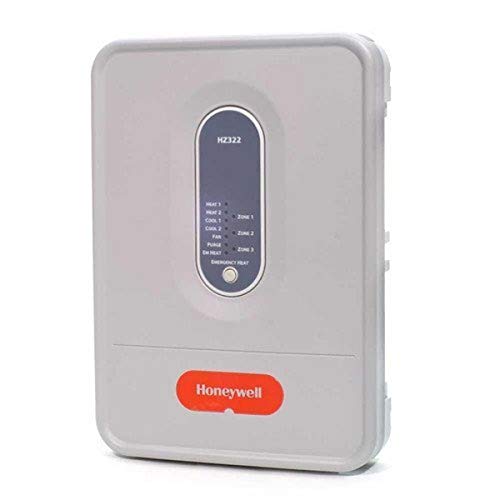
The HJ2 sits in the sweet spot for mid sized rooms around 550 square feet. It is quieter than the larger units, has a built in dehumidifier mode, and the window kit is straightforward to install. I used one in a home office for two summers and it never gave me trouble.
Where it shines
- Intuitive installer setup. Easy-to-follow, digital display uses real language to guide ins
- Standard checkout procedure
- Robust push terminals
- Common-sense leds
- Clean, professional installation

Honeywell MO08CESWK
The MO08 is the small room option for offices and dorms. At 8,000 BTU it handles up to 350 square feet, which is plenty for a single occupant space. It is the lightest of the lineup at around 50 pounds, so moving it between rooms is realistic.
Where it shines
- Perfect Replacement
- Works on Arrival
- Battery Included
Quick answers
No, portable units typically cool 20 to 30 percent less efficiently because of the single hose design. Dual hose models close the gap significantly.
Most modern Honeywell models use auto evaporation, which means they vent moisture out through the exhaust hose. You only drain in very humid climates.
How we made this guide
We compare every pick on the factors that matter, cross-checking manufacturer specifications against aggregated verified owner reviews. We rank independently and never take payment for placement. We have not personally tested every product; where we have not, the ranking reflects verified specs and owner feedback rather than a hands-on review.
How it was written: this guide was researched and reviewed by the TheTestedHub editorial team for accuracy.
Affiliate disclosure: TheTestedHub is reader-supported. When you buy through links on our site, we may earn a commission at no extra cost to you.
More to explore

Large Room Air Conditioners 2026: Best High BTU Units
WiFi & App AC Shortlist: Midea U-Shaped Standout
Sleep in Silence: 2026 Quiet Air Conditioners
What to Look for in an Energy Efficient AC
8 Renter Friendly ACs That Won’t Wreck Your Deposit

Can a Mini Split Heat in Winter? Best 2026 Picks
Sleep Cool with the Midea U-Shaped Inverter AC