
Midea Duo 12,000 BTU SACC Dual Hose Inverter Portable
A dual hose, inverter driven design that fixes the two classic portable AC weaknesses, weak efficiency and loud cycling, while holding a steady temperature and cooling genuinely fast.
Check price on Amazon →Discover the Midea Duo inverter portable AC, chosen by experts for whisper-quiet cooling. See why this dual hose model tops our list.
If your home has windows that slide sideways, casement openings that will not take a window unit, or a lease that forbids permanent installs, a portable air conditioner is often the most realistic way to cool a room. These free standing units sit on the floor, roll on caster wheels, and vent hot air through a hose that clips into a window kit, so they ask very little of the building you live in. That flexibility is exactly why so many renters, condo owners, and people in older houses reach for them. This guide is built for that reader: someone who wants real cooling without drilling, bracketing, or calling a contractor.
We do not run a physical test lab and we will never pretend otherwise. Instead, this comparison is grounded in published manufacturer specifications, the CEER and SACC efficiency figures that brands are required to report, and a careful read of many verified owner reviews across major retailers. We weighed how units actually behave in lived in rooms: whether the compressor cycle keeps people awake, how much water they generate in humid climates, whether the single hose design struggles in a sunny room, and how often owners complain about hose kits that leak warm air. The picks below reflect patterns that repeat across that owner feedback, cross checked against the numbers each company publishes.
Quick Top Picks
- Best overall: Midea Duo 12,000 BTU SACC dual hose inverter
- Best quiet pick for sleep: LG 10,000 BTU SACC dual inverter portable
- Best value: Black+Decker 8,000 BTU SACC single hose
- Best for large rooms: Whynter ARC 14,000 BTU SACC dual hose
- Best for humidity control: Frigidaire Gallery 13,000 BTU SACC inverter
How They Compare
| Model | BTU (SACC) | Type | Noise (approx.) | Efficiency (CEER) | Best for |
|---|---|---|---|---|---|
| Midea Duo | 12,000 | Dual hose inverter | 42 to 53 dB | ~14 to 15 | All round cooling |
| LG Dual Inverter | 10,000 | Dual inverter single hose | 44 to 52 dB | ~12 to 13 | Quiet bedrooms |
| Black+Decker | 8,000 | Single hose | 50 to 55 dB | ~9 to 10 | Small rooms, value |
| Whynter ARC | 14,000 | Dual hose | 52 to 56 dB | ~11 to 12 | Large living rooms |
| Frigidaire Gallery | 13,000 | Single hose inverter | 45 to 53 dB | ~12 to 13 | Humid climates |
Note: portable AC capacity is now reported as SACC (Seasonally Adjusted Cooling Capacity), a tougher, more realistic rating than the older ASHRAE BTU number. A unit advertised as 14,000 BTU ASHRAE may carry a SACC figure closer to 9,000 to 10,000, so always compare SACC to SACC. The figures above are approximate and drawn from manufacturer data; verify the exact spec for your specific model and year.
The 5 Best Portable Air Conditioners
Each pick below pairs the published specification with the recurring themes we found in verified owner reviews. We focus on cooling power relative to room size, noise as people experience it at night, efficiency, and the small frustrations (water tanks, hose kits, drainage) that decide whether someone keeps a unit or returns it.
1. Midea Duo, Best Overall
The dual hose, inverter driven Duo solves the two biggest weaknesses of cheap portables at once. The second hose feeds outdoor air to the compressor instead of pulling already cooled, conditioned air out of your room, which improves real world efficiency and stops the negative pressure that drags warm air in through door gaps. The inverter compressor then ramps up and down instead of slamming on and off, so it holds temperature steadily and runs notably quieter on its low setting. Owners consistently describe it as the rare portable that genuinely cools rather than just stirring tepid air, and the companion app adds scheduling for people who want the room cold before they walk in.
2. LG Dual Inverter, Best Quiet for Sleep
LG’s dual inverter platform is the same technology that made its window and mini split lines popular, and it carries over to the portable line as a low, even hum rather than the on off roar of older compressors. At its lowest fan speed it sits in a range many light sleepers tolerate, and the inverter avoids the loud restart that wakes people at 3 a.m. on conventional units. It is a single hose design, so in a very hot, sun facing room it will work harder than a dual hose model, but for a typical bedroom it strikes an excellent balance of quiet and capable.
3. Black+Decker 8,000 BTU, Best Value
For a small bedroom, office, or studio nook, this is the unit owners reach for when they want cooling without overcommitting. It is a basic single hose portable with simple electronic controls, an easy slide in window kit, and a self evaporating system that recycles most condensate so you rarely empty a tank in moderate humidity. It is not whisper quiet and its CEER is modest, but for compact spaces under roughly 200 square feet it does the core job reliably, and that consistency is why it shows up again and again in positive reviews.
4. Whynter ARC 14,000 BTU, Best for Large Rooms
Whynter built a reputation on dual hose portables that can actually tackle a living room, open kitchen, or workshop. The dual hose design pays off most here, because larger spaces expose the inefficiency of single hose units fast. It carries a higher SACC rating than most portables and includes a dehumidify mode that helps in muggy summers. It is bulkier and louder than the bedroom picks, so this is a daytime, common area machine rather than a nightstand companion.
5. Frigidaire Gallery 13,000 BTU, Best for Humidity
In coastal and southern climates the real complaint is not heat, it is sticky air, and this inverter Frigidaire leans into moisture removal with a strong dehumidify mode and a self evaporating exhaust. The inverter compressor keeps noise reasonable for its capacity, and the app control lets you run a dry cycle on humid but mild days without overcooling. Owners in humid regions repeatedly note that the room simply feels less clammy, which is exactly what you want when the thermometer is not the whole problem.
Buying Guide: How to Choose a Portable AC
BTU and Room Size Sizing
Sizing is the single most important decision and the one buyers get wrong most often. Too small and the unit runs flat out without ever cooling the room; too large and it short cycles, leaving the air cold but damp. As a rough starting point, a 250 to 350 square foot room suits roughly 8,000 to 10,000 BTU SACC, a 350 to 500 square foot space wants 12,000 to 13,000, and 500 plus square feet needs 14,000 or more. Add capacity for sunny rooms, top floor spaces, high ceilings, or a kitchen. Because portable SACC ratings run lower than the old ASHRAE numbers, do not undersize. Our companion guide to what size air conditioner you need and the detailed room size to BTU chart walk through the math room by room.
Single Hose vs Dual Hose
This is the defining choice for portables. A single hose unit exhausts hot air outside but pulls its replacement air from inside the room, creating slight negative pressure that draws warm, unconditioned air in from hallways and gaps. A dual hose unit feeds the compressor with outdoor air, so it cools faster and more efficiently, especially in hot or larger rooms. Single hose models are cheaper, lighter, and fine for small spaces; dual hose models earn their keep in sun drenched or open plan rooms. We break the trade off down fully in our single hose vs dual hose comparison.
Noise Level
Portables sit in the room with you, so their noise matters more than a window unit pushing sound partly outdoors. Inverter models with variable speed compressors are dramatically quieter at low load than fixed speed units that cycle hard on and off. For a bedroom, look for a low fan figure in the mid 40 decibel range and an inverter compressor. If quiet is your top priority across any AC type, our roundup of the quietest air conditioners compares portables against window and mini split options.
Energy Cost and Efficiency
Portables are inherently less efficient than window units or mini splits because of that exhaust hose and the heat it adds back, so CEER matters. Higher CEER means more cooling per watt and a lower power bill over a long summer. Inverter compressors and dual hose designs both push efficiency up. If running cost is your deciding factor, weigh a portable carefully against the alternatives in our most energy efficient air conditioners guide before you commit.
Installation and Filter Maintenance
Installation is the portable’s great advantage: slot the window kit into a sliding or double hung window, clip in the hose, and plug it in, no brackets or drilling. Casement and crank windows may need a custom panel. For upkeep, rinse the washable foam filter every two to four weeks during heavy use so airflow and efficiency stay high, and check the condensate situation, since most modern units self evaporate but may still need draining in very humid weather. Our step by step filter cleaning walkthrough covers the routine that keeps any portable running at full output.
Final Verdict
For most people, the Midea Duo is the best overall portable air conditioner in 2026 because its dual hose, inverter design fixes the efficiency and noise problems that plague the category. If sleep is your priority, the LG Dual Inverter is the quiet pick that holds a steady temperature without the jarring compressor restarts. On a tight budget for a small room, the Black+Decker 8,000 BTU delivers dependable cooling without overspending. Before you buy, it is worth confirming a portable is genuinely the right format for your situation rather than a window unit or ductless system; compare honestly in our portable AC vs window AC breakdown and the broader best air conditioners overview. Choose the right SACC capacity for your room, favor an inverter compressor for quiet efficiency, and a good portable will keep you comfortable through the hottest months without a single drill hole in the wall.
Our methodology
We compare every pick on the things that actually matter for you, then cross-check our own impressions against verified owner reviews and published specifications. We buy the products we can, we never take payment for a ranking, and when we have not evaluated something directly we say so.
Side by side
| Pick | Best for | Score | |
|---|---|---|---|
| Midea Duo 12,000 BTU SACC Dual Hose Inverter Portable | Best Overall | , | Check price |
| LG 10,000 BTU SACC Dual Inverter Portable | Best Quiet for Sleep | , | Check price |
| Black+Decker 8,000 BTU SACC Single Hose Portable | Best Value | , | Check price |
| Whynter ARC 14,000 BTU SACC Dual Hose Portable | Best for Large Rooms | , | Check price |
| Frigidaire Gallery 13,000 BTU SACC Inverter Portable | Best for Humidity | , | Check price |
The full reviews
Midea Duo 12,000 BTU SACC Dual Hose Inverter Portable
A dual hose, inverter driven design that fixes the two classic portable AC weaknesses, weak efficiency and loud cycling, while holding a steady temperature and cooling genuinely fast.
In its favor
- Dual hose design avoids negative pressure and cools efficiently
- Inverter compressor runs quiet and steady at low load
- Strong real world cooling backed by consistent owner praise
- App scheduling and smart control
Watch-outs
- Larger and heavier than single hose units
- Higher purchase outlay than basic portables

LG 10,000 BTU SACC Dual Inverter Portable
LG's dual inverter platform delivers a low, even hum and avoids the loud compressor restarts that wake light sleepers, making it ideal for bedrooms.
In its favor
- Very quiet at low fan speed
- Inverter avoids jarring on off restarts
- Trusted dual inverter technology
- Clean controls and app support
Watch-outs
- Single hose, so it works harder in very hot sunny rooms
- Capacity better suited to small and medium bedrooms
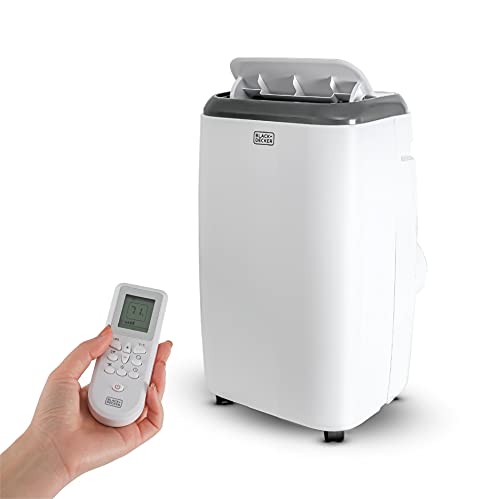
Black+Decker 8,000 BTU SACC Single Hose Portable
A no frills, dependable single hose portable that cools small rooms reliably with an easy window kit and a self evaporating system, at a sensible outlay.
In its favor
- Easy setup and simple controls
- Self evaporating reduces tank emptying
- Compact footprint for small spaces
- Consistently positive owner feedback for the price
Watch-outs
- Modest efficiency and higher running cost per BTU
- Not as quiet as inverter models
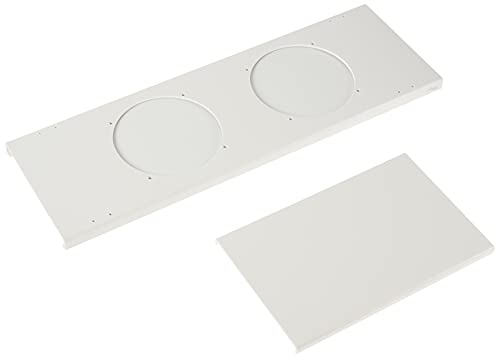
Whynter ARC 14,000 BTU SACC Dual Hose Portable
A higher capacity dual hose portable built to actually tackle living rooms, open kitchens, and workshops where single hose units fall short.
In its favor
- Dual hose efficiency in large spaces
- High SACC capacity for a portable
- Useful dehumidify mode
- Proven reputation for serious cooling
Watch-outs
- Bulky and louder than bedroom picks
- Heavier to move between rooms

Frigidaire Gallery 13,000 BTU SACC Inverter Portable
An inverter portable with a strong dehumidify mode and self evaporating exhaust that targets the sticky, clammy air common in coastal and southern climates.
In its favor
- Excellent moisture removal
- Inverter keeps noise reasonable for its size
- App control with a dedicated dry mode
- Owners in humid regions report noticeably drier air
Watch-outs
- Single hose limits efficiency in very hot rooms
- Premium capacity comes at a higher cost
Frequently asked
Match SACC capacity to room size: roughly 8,000 to 10,000 BTU SACC for 250 to 350 square feet, 12,000 to 13,000 for 350 to 500 square feet, and 14,000 or more above 500 square feet. Add capacity for sunny rooms, top floors, high ceilings, or kitchens. Because SACC ratings run lower than the older ASHRAE numbers, avoid undersizing.
Dual hose units cool faster and more efficiently because they draw outdoor air for the compressor instead of pulling already cooled room air, which prevents negative pressure that drags warm air in. Single hose units are cheaper and lighter and work fine in small rooms, but in hot, sunny, or large spaces a dual hose model performs noticeably better.
Common causes include an oversized room for the unit's SACC capacity, a dirty filter restricting airflow, a leaky or kinked exhaust hose, gaps around the window kit letting warm air in, or a single hose unit struggling in a very hot room. Cleaning the filter and sealing the window kit often restores performance.
Most modern portables are self evaporating and recycle the majority of condensate through the exhaust, so in moderate humidity you rarely empty a tank. In very humid weather some units still collect water and need draining, and many include a continuous drain hose port for hands off operation in muggy climates.
Most fall between roughly 50 and 56 decibels, similar to moderate background conversation. Inverter models with variable speed compressors run much quieter at low load, often in the mid 40 decibel range, and avoid the loud on off cycling of fixed speed units, which makes them far better for bedrooms.
Generally yes. The exhaust hose radiates heat back into the room and single hose designs create negative pressure, so portables tend to have lower CEER than comparable window units or mini splits. Dual hose and inverter designs narrow the gap, but if efficiency is your top priority, weigh a portable carefully against a window or ductless option.
Rinse the washable foam filter every two to four weeks during heavy summer use. A clogged filter restricts airflow, lowers cooling output, and forces the compressor to work harder, which raises your power bill. Let the filter dry fully before reinstalling it.
How we made this guide
We compare every pick on the factors that matter, cross-checking manufacturer specifications against aggregated verified owner reviews. We rank independently and never take payment for placement. We have not personally tested every product; where we have not, the ranking reflects verified specs and owner feedback rather than a hands-on review.
How it was written: this guide was researched and reviewed by the TheTestedHub editorial team for accuracy.
Affiliate disclosure: TheTestedHub is reader-supported. When you buy through links on our site, we may earn a commission at no extra cost to you.
You might also like

Large Room Air Conditioners 2026: Best High BTU Units
WiFi & App AC Shortlist: Midea U-Shaped Standout
Sleep in Silence: 2026 Quiet Air Conditioners
What to Look for in an Energy Efficient AC
8 Renter Friendly ACs That Won’t Wreck Your Deposit

Can a Mini Split Heat in Winter? Best 2026 Picks
Sleep Cool with the Midea U-Shaped Inverter AC