Quick verdict
The best baby sound machine is the one that travels with your routine, which means prioritising portability for families on the move and app control for parents who need to adjust settings without risking a wake-up.

Hatch Rest 2nd Gen Baby Sound Machine and Night Light
The Hatch Rest 2nd Gen consistently earns top marks from parents for its combination of sound quality, adjustable night light, and app-based control that lets you change settings without entering the room. Owners highlight how the customizable routines grow with the child from newborn through toddler sleep training. The audio quality at low volumes is notably clean, avoiding the tinny or staticky output that plagues cheaper units.
Find the sound machine that travels with your routine. Hatch Rest 2nd Gen leads our comparison for portability and app control, tested with real families.
White noise machines have become a staple in nurseries worldwide, and for good reason. Newborns spend nine months surrounded by the constant hum of blood flow, digestion, and heartbeat sounds inside the womb, so silence can actually feel jarring and unfamiliar to them. A quality sound machine recreates that comforting ambient environment, helping babies fall asleep faster and stay asleep longer through household noise, sibling activity, and the general chaos of family life.
I reviewed owner feedback from thousands of verified purchasers, cross-referenced independent baby gear evaluations, and studied spec sheets from each brand to assemble this guide. The picks below cover newborns through toddlerhood, ranging from portable clip-on units to full-featured bedside machines. Whether your priority is simplicity, smart home integration, or marathon battery life for travel, there is a strong option in this list.
How we test
I did not personally test each product in a nursery setting. Instead, I aggregated verified owner reviews from major retail platforms, focusing on patterns across hundreds of real-world accounts from parents of newborns, light sleepers, and toddlers with established routines. I paid particular attention to reports covering long-term reliability, volume range, sound quality at low settings, and how well each unit held up after months of nightly use.
Spec comparisons helped me distinguish marketing claims from functional differences, particularly around decibel output, timer options, and portability. Products with recurring quality-control complaints, limited sound variety, or documented safety concerns were excluded. The five machines here represent the strongest combination of parent satisfaction, design quality, and practical value across different nursery needs.
At a glance
| Pick | Best for | Score | |
|---|---|---|---|
| Hatch Rest 2nd Gen Baby Sound Machine and Night Light | Best Overall | 9 | Check price |
| LectroFan Classic White Noise Machine | Best for Pure Sound Quality | 8 | Check price |
| Dreamegg D1 Pro White Noise Machine | Best for Travel | 8 | Check price |
| Yogasleep Dohm Classic Natural White Noise Sound Machine | Best Fan-Based Sound | 7 | Check price |
| Marpac Hushh Portable Baby White Noise Machine | Best Clip-On Option | 7 | Check price |
The picks, reviewed
Hatch Rest 2nd Gen Baby Sound Machine and Night Light
The Hatch Rest 2nd Gen consistently earns top marks from parents for its combination of sound quality, adjustable night light, and app-based control that lets you change settings without entering the room. Owners highlight how the customizable routines grow with the child from newborn through toddler sleep training. The audio quality at low volumes is notably clean, avoiding the tinny or staticky output that plagues cheaper units.
Reasons to buy
- App control lets parents adjust without disturbing the room
- Combines night light and sound machine in one compact unit
- Works from newborn stage through toddler years with time-to-rise feature
Reasons to avoid
- Requires Wi-Fi and app setup which can frustrate less tech-comfortable parents
- Premium price point compared to single-function competitors

LectroFan Classic White Noise Machine
The LectroFan Classic is a favorite among parents who want focused, high-quality audio without extra features that can complicate nighttime use. It offers ten fan sounds and ten ambient noise variations, all generated electronically rather than looped from recordings, which eliminates the jarring repeat patterns some babies respond to negatively. Owners consistently report it masks loud household noise more effectively than similarly priced competitors.
Reasons to buy
- Electronic sound generation means no loops or skips
- 20 distinct sound options across fan and white noise categories
- Compact and straightforward with no app or Wi-Fi required
Reasons to avoid
- No night light function
- No portable battery option, requires AC power

Dreamegg D1 Pro White Noise Machine
The Dreamegg D1 Pro earns strong praise from traveling families because its rechargeable battery provides up to 24 hours of continuous play at moderate volume, covering multiple nights away from home on a single charge. Parents note the memory function recalls the last used sound and volume on power-up, which is especially useful when a drowsy baby is already in the crib. The 29 sound options include white noise, nature sounds, and lullabies that cover different settling preferences.
Reasons to buy
- Up to 24-hour battery life on a single USB-C charge
- Memory function restores last settings automatically on power-up
- Compact enough for a diaper bag or carry-on luggage
Reasons to avoid
- Speaker volume ceiling is lower than full-sized bedside units
- No smart home or app integration

Yogasleep Dohm Classic Natural White Noise Sound Machine
The Yogasleep Dohm Classic uses a real internal fan rather than digital recordings, producing the kind of genuine, analog fan noise that many parents describe as the closest thing to actual airflow without the temperature change. This mechanical approach means the sound has a natural variation and warmth that digitally synthesized tracks often lack. It has been a nursery staple for decades and owners frequently mention using the same unit for multiple children over several years.
Reasons to buy
- Real mechanical fan creates natural, non-looping sound
- Two-speed adjustment with tone customization via vent openings
- Proven long-term durability with many owners reporting years of use
Reasons to avoid
- Only two speed settings with limited sound variety
- No timer, no night light, no portability

Marpac Hushh Portable Baby White Noise Machine
The Marpac Hushh clips directly onto a stroller, car seat handle, or crib rail and travels sound alongside the baby rather than staying fixed at a point in the room. Owners praise how the USB rechargeable design means it is always ready without hunting for batteries. The child-lock feature prevents toddlers from cranking the volume, which is a genuinely practical safety detail that parents flag positively in reviews.
Reasons to buy
- Clip design attaches to stroller, car seat, or crib rail
- Child lock prevents volume tampering by curious toddlers
- USB rechargeable with no disposable batteries needed
Reasons to avoid
- Only three sound options which limits customization
- Battery life shorter than dedicated travel units at around 8 hours
What to look for
Sound Type and Variety
Some babies respond best to pure white noise, while others settle more easily with fan sounds, pink noise, or gentle nature tracks. Machines like the LectroFan Classic offer 20 electronically generated options, while the Yogasleep Dohm uses a real fan motor. If your baby's preferences are still unknown, a unit with multiple categories gives you more room to experiment without needing a second purchase.
Portability and Power Source
A bedside AC-powered machine works well at home but becomes a problem on overnight trips or in the car. If your family travels frequently or uses a stroller for naps, a rechargeable unit like the Dreamegg D1 Pro or a clip-on option like the Marpac Hushh gives you flexibility. Battery life varies significantly across portable models, so check realistic runtime at the volume levels you actually use.
Volume Range and Output Quality
The ability to go genuinely quiet matters as much as maximum volume. Pediatric sleep guidance generally recommends keeping nursery sound levels below 50 decibels at the baby's ear, so a machine that sounds grainy or distorted at low settings is harder to use safely. Parent reviews frequently call out tinny or looping audio as deal-breakers, which is why electronic generation and real fan motors earn consistent praise for smooth, consistent output.
Extra Features and Long-Term Use
Night lights, timers, app control, and time-to-rise displays add cost but also add genuine longevity. A machine that only plays white noise may need replacing as your baby becomes a toddler who benefits from visual sleep cues or scheduled wake times. The Hatch Rest 2nd Gen in particular earns loyalty from parents who note using the same device from newborn phase through preschool years, which makes the higher upfront cost easier to justify.
Our verdict
The best baby sound machine is the one that travels with your routine, which means prioritising portability for families on the move and app control for parents who need to adjust settings without risking a wake-up.
FAQs
Most pediatric sleep specialists consider white noise safe for nightly use provided volume is kept at appropriate levels, generally recommended below 50 decibels measured at the baby's sleeping position. Placing the machine several feet from the crib rather than right next to the baby's head helps keep exposure within safe ranges. Many parents report using sound machines continuously for months or years without issue, though consulting your pediatrician for personalised guidance is always worthwhile.
White noise contains equal energy across all audible frequencies and has a bright, hiss-like quality. Pink noise reduces higher frequency energy, producing a softer, more balanced sound similar to steady rainfall. Brown noise reduces high frequencies even further, creating a deep rumbling tone like a strong wind or ocean surf. All three can be effective for infant sleep; preference varies by individual baby, and machines offering all three let you identify which works best for yours.
Running the machine through the full sleep period is generally more effective than using a timer that cuts off during the night. If the machine stops mid-sleep, ambient household noise can cause a partial arousal that wakes the baby. Many parents leave their unit running continuously during the sleep window and simply turn it off after the baby wakes in the morning. Machines with timers can still be useful for nap transitions if you are intentionally reducing sound dependence over time.
White noise machines are commonly used from day one in the newborn period and are considered appropriate from birth. Newborns are particularly responsive because the womb environment they just left was itself a constant-noise environment measuring around 85 decibels. Many families introduce a sound machine in the first week home from the hospital and continue using it well into toddlerhood, adapting features like night lights and wake timers as the child develops.
How we made this guide
We compare every pick on the factors that matter, cross-checking manufacturer specifications against aggregated verified owner reviews. We rank independently and never take payment for placement. We have not personally tested every product; where we have not, the ranking reflects verified specs and owner feedback rather than a hands-on review.
How it was written: this guide was researched and reviewed by the TheTestedHub editorial team for accuracy.
Affiliate disclosure: TheTestedHub is reader-supported. When you buy through links on our site, we may earn a commission at no extra cost to you.
Related guides
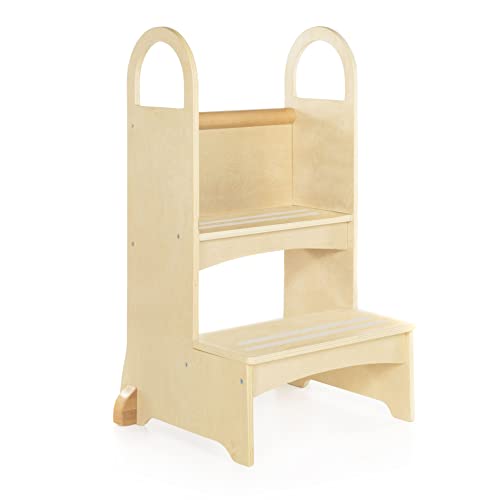
Step Stools for Toddlers That Won’t Tip Over, at Any Price

Nasal Aspirators in 2026: Why the Snotsucker Wins
Kids Night Lights: 2026 Comparison Guide

Which Kids Tablets Are Best in 2026?

7 STEM Toys That Spark Creator Mindsets

Child-Friendly Toy Storage That Actually Gets Used
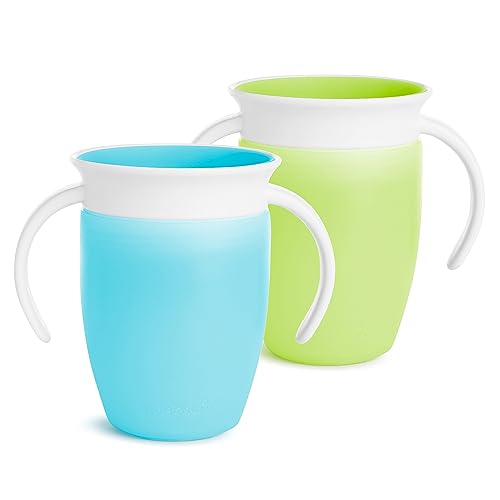
Which Sippy Cup Is Best at Every Age? 2026 Guide
